
How to Wash White T-Shirts to Keep Them Bright

Dec
White t-shirts are wardrobe essentials that never go out of style. Whether you’re pairing them with jeans for a casual look or layering them under a blazer for professional attire, these versatile pieces deserve proper care to maintain their crisp, bright appearance. At Teefeny, we understand the frustration of watching your favorite white tees turn yellow or dingy over time. That’s why we’ve created this comprehensive guide on how to wash white t-shirts effectively while preserving their pristine condition.
Understanding Why White T-Shirts Lose Their Brightness
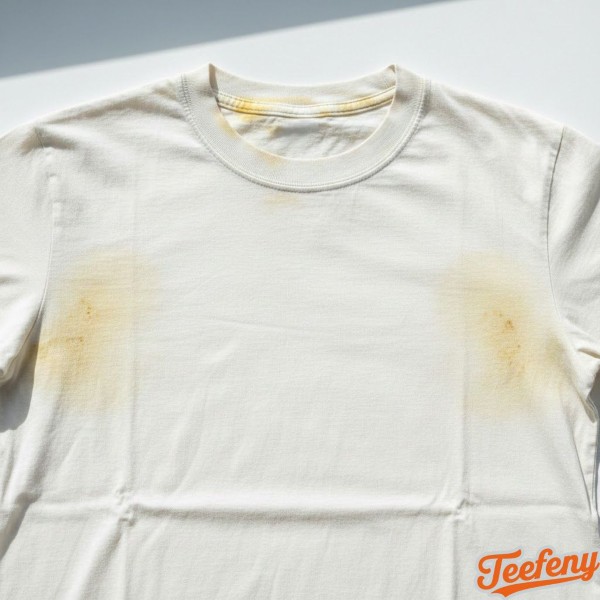
Before diving into washing techniques, it’s essential to understand what causes white t-shirts to lose their brilliance. The most common culprits include body oils and sweat that penetrate fabric fibers, creating discoloration particularly around collars and underarms. When aluminum compounds in antiperspirants react with perspiration, they form stubborn yellow stains that become increasingly difficult to remove.
Detergent residue represents another significant factor in fabric dullness. Using excessive amounts of laundry detergent creates buildup that traps dirt and oils within the fabric, giving white garments a gray or dingy appearance. Additionally, washing white t-shirts alongside colored clothing allows dyes to transfer and gradually discolor your whites. Improper storage in humid environments or plastic containers can lead to oxidation, which manifests as yellowing even when garments haven’t been worn.
The Essential Pre-Wash Process

The foundation for how to wash white t-shirts successfully begins before your garments ever touch water. Proper sorting is absolutely crucial—separate all white items from colored clothing to prevent any dye transfer during the wash cycle. According to Nike’s fabric care guidelines, separating whites from colored fabrics is the simplest yet most effective step in maintaining brightness.
Sort your white t-shirts not only by color but also by fabric weight. Lightweight cotton tees should be washed separately from heavy items like towels or sweatshirts, as the added weight can prevent proper agitation and cleaning. Always check care labels on each garment to identify any special washing requirements or temperature restrictions.
For white t-shirts with visible stains, pre-treatment is non-negotiable. Create a powerful stain-fighting paste by combining two parts hydrogen peroxide with one part dish soap and a sprinkle of baking soda. Apply this mixture directly to stained areas, particularly around collars, underarms, and cuffs. Allow the solution to penetrate the fabric for at least one hour before washing. For particularly stubborn stains, consider an overnight soak in warm water mixed with oxygen bleach.
Choosing the Right Detergent and Additives

Selecting appropriate cleaning products dramatically impacts your success in learning how to wash white t-shirts. Standard laundry detergents work adequately for routine cleaning, but specialized formulations designed for white garments deliver superior brightening results. Look for detergents containing enzymes, which break down protein-based stains like sweat and body oils more effectively.
The debate between chlorine bleach and oxygen bleach is crucial for white t-shirt care. Traditional chlorine bleach might seem like the obvious choice, but HGTV’s laundry experts explain that chlorine bleach can actually react with proteins in sweat residue, causing yellowing rather than preventing it. Oxygen bleach presents a gentler, more effective alternative that brightens whites without the harsh effects of chlorine.
For natural whitening power, baking soda serves as an excellent additive. Add half a cup directly to your washing machine drum along with your regular detergent to boost cleaning power and naturally brighten fabrics. White vinegar works wonders when added to the rinse cycle, cutting through detergent residue and leaving whites brighter and softer. The American Cleaning Institute emphasizes using the correct amount of detergent—more isn’t better and can actually leave residue that dulls whites.
Mastering Water Temperature Selection

Understanding what temperature to wash white t-shirts is fundamental to proper care. Hot water excels at breaking down oils and removing tough stains, making it ideal for heavily soiled white garments. The heat helps activate detergent enzymes and dissolve stubborn grime that cool water might leave behind. However, not all fabrics tolerate high temperatures equally.
Always consult garment care labels before selecting water temperature. Delicate fabrics or those containing elastic fibers may require cooler water to prevent damage or shrinkage. For mixed loads containing various fabric types, warm water provides an effective middle ground that cleans well without risking fabric damage.
Cotton white t-shirts generally tolerate hot water exceptionally well, and washing in temperatures between 90°F and 140°F can significantly enhance cleaning results. For lightly soiled items or those worn only briefly, cold water washing combined with pre-treatment on high-contact areas like collars can maintain freshness while conserving energy.
Proper Washing Machine Technique

The best way to wash white t-shirts without yellowing involves several key machine washing principles. First, avoid overloading your washing machine—clothes need adequate space to move freely for thorough cleaning and rinsing. When machines are packed too tightly, detergent cannot properly disperse and rinse away, leading to residue buildup.
Select the appropriate wash cycle based on fabric type and soil level. Standard or normal cycles work well for most cotton white t-shirts, while delicate cycles benefit fragile fabrics or screen-printed designs. If your machine offers a “whites” cycle, utilize it as these settings typically employ higher spin speeds and optimized wash times specifically designed for white garments.
When learning how to wash white t-shirts in hard water, water quality becomes an important consideration. Hard water contains mineral deposits that can contribute to graying and dullness. Adding washing soda or water softener to your load helps counteract these minerals and improves detergent effectiveness.
Turn printed or decorated white t-shirts inside out before washing to protect designs from friction and fading. This simple step extends the life of screen printing while still allowing thorough cleaning of the garment’s exterior.
The Drying Process: Maximizing Brightness

How you dry white t-shirts significantly influences their appearance and longevity. Natural sunlight offers remarkable brightening benefits—UV rays act as a natural bleaching agent that enhances whiteness. When weather permits, hang white t-shirts outside in direct sunlight to dry. This method not only brightens fabrics but also eliminates bacteria and reduces energy consumption.
If outdoor drying isn’t feasible, machine drying on low heat prevents the fabric damage associated with high temperatures. High heat can set stains permanently and cause shrinkage, particularly in cotton garments. Remove items from the dryer while slightly damp to minimize wrinkling and reduce the need for ironing.
For those committed to preserving their white t-shirts’ pristine condition, air drying indoors on a drying rack provides a gentle alternative. This method prevents the mechanical stress that occurs during tumble drying, extending garment lifespan considerably.
Advanced Stain Removal Techniques
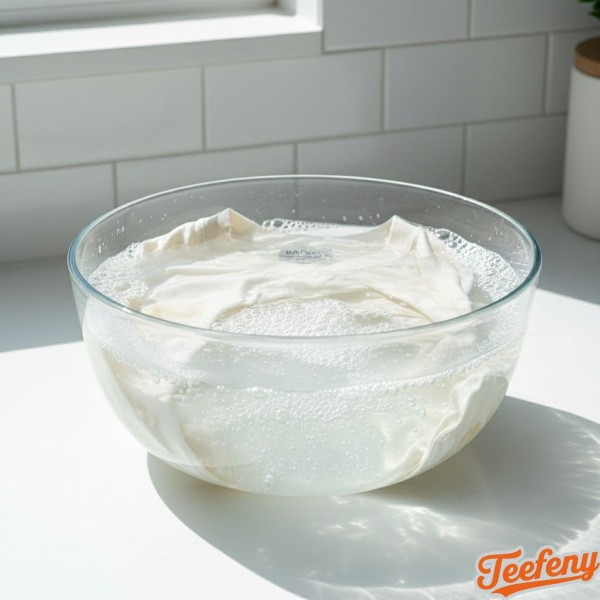
Even with proper preventive care, knowing how to remove yellow stains from white t-shirts becomes necessary. For set-in underarm yellowing, create a concentrated paste using equal parts baking soda and hydrogen peroxide with several drops of dish soap. Apply generously to affected areas, gently scrub with a soft brush, and allow the mixture to work for 30 minutes before washing normally.
White vinegar soaks effectively address stubborn discoloration. Mix equal parts white vinegar and warm water in a basin, submerge yellowed garments, and soak for one to two hours. The acidic properties of vinegar break down mineral deposits and deodorant residue. Always rinse thoroughly with cool water before machine washing to remove vinegar odor.
Lemon juice combined with sunlight provides a natural bleaching method particularly effective for organic stains. Apply fresh lemon juice directly to yellow areas, then lay the garment in direct sunlight for several hours. The combination of citric acid and UV rays works synergistically to lift stubborn discoloration.
For comprehensive garment renewal, oxygen bleach soaks deliver impressive results. Dissolve oxygen bleach in hot water according to package instructions, fully submerge white t-shirts, and soak for several hours or overnight. This deep-cleaning treatment removes accumulated buildup and restores brightness to dingy whites.
Preventing Future Yellowing and Discoloration
Learning how to prevent white shirts from turning gray or yellow requires establishing consistent care habits. Wash white t-shirts after each wear to prevent body oils and sweat from setting into fibers. Even if a shirt appears clean, perspiration and natural skin oils accumulate throughout the day and will eventually cause discoloration if allowed to remain.
Consider switching to aluminum-free deodorants to minimize the chemical reaction that creates yellow underarm stains. These alternative formulations reduce staining risk while still providing effective odor protection.
Proper storage significantly impacts how well white t-shirts maintain their color. Store whites in cool, dry locations with good air circulation. Avoid plastic storage containers that trap moisture and promote oxidation yellowing. Instead, use breathable cotton garment bags or simply fold whites neatly in dresser drawers with adequate ventilation.
Pre-treating high-contact areas before every wash, even when stains aren’t visible, prevents buildup that leads to yellowing. Apply liquid detergent or stain remover to collars, underarms, and cuffs as part of your regular laundry routine.
Special Considerations for Different White T-Shirt Types

Cotton white t-shirts, the most common type, tolerate aggressive cleaning methods well. These durable fabrics can withstand hot water washing, oxygen bleach treatments, and vigorous scrubbing when necessary. Pure cotton responds particularly well to high-temperature washing and benefits from the natural bleaching properties of sunlight.
Performance or athletic white t-shirts containing synthetic fibers or moisture-wicking technology require gentler care. These specialized fabrics often demand cool or warm water washing to preserve their technical properties. Avoid fabric softeners on performance wear as they coat fibers and reduce moisture-wicking capabilities.
Vintage or delicate white t-shirts need careful handling to prevent damage. Hand washing in cool water with mild detergent preserves fragile fibers. If machine washing is necessary, place these items in mesh laundry bags and select the delicate cycle.
For screen-printed white t-shirts, always turn garments inside out before washing and avoid high heat during drying. These precautions prevent cracking, fading, or peeling of printed designs while still allowing effective cleaning of the fabric.
Troubleshooting Common White T-Shirt Problems
When white t-shirts develop gray or dingy appearances despite proper washing, detergent residue is often the culprit. Run an extra rinse cycle or reduce the amount of detergent used in subsequent washes. Consider switching to high-efficiency detergents that produce less residue.
If yellowing persists despite preventive measures, examine your water quality. Hard water minerals can accumulate in fabrics over time. Adding borax or washing soda to your regular wash routine helps combat these mineral deposits and restore brightness.
For white t-shirts that have become stiff or scratchy, fabric softener or vinegar in the rinse cycle restores softness. However, use fabric softener sparingly as excessive amounts contribute to buildup that attracts dirt.
When multiple washing attempts fail to remove stubborn stains or restore brightness, professional dry cleaning offers specialized treatments not available for home use. Professional cleaners have access to commercial-grade products and techniques that can salvage heavily damaged whites.
Creating a Sustainable White T-Shirt Care Routine

Developing consistent habits around how to wash white t-shirts ensures long-term success. Establish a dedicated laundry day for whites to maintain separation from colored garments and streamline your washing process. This approach prevents accidental mixing and ensures whites receive the specialized care they need.
Keep essential white-specific products readily available: oxygen bleach, baking soda, white vinegar, and enzyme-based stain removers. Having these items on hand makes it easier to address stains immediately and maintain consistent care practices.
Invest in quality white t-shirts made from durable materials that withstand repeated washing. At Teefeny, our white t-shirts are crafted from premium fabrics designed to maintain their brightness and softness through countless wash cycles. Quality construction means your whites stay whiter longer, reducing the need for aggressive cleaning treatments.
Rotate your white t-shirt collection to distribute wear evenly. Owning multiple white tees allows garments to rest between wears, extending their lifespan and maintaining their appearance. This rotation also reduces the temptation to overwear items before washing, which can lead to set-in stains.
The Environmental Impact of Laundry Choices
While learning how to keep white t-shirts white and bright, consider the environmental implications of your laundry practices. Cold water washing significantly reduces energy consumption without sacrificing cleaning effectiveness for most loads. Modern detergents are formulated to work efficiently in cool temperatures.
Line drying offers environmental benefits beyond energy savings. This gentle method eliminates dryer-related wear and tear, extending garment life and reducing textile waste. The natural brightening effect of sunlight replaces chemical whitening agents, creating a more sustainable approach to fabric care.
Choose eco-friendly laundry products when possible. Many brands now offer plant-based detergents and oxygen bleaches that clean effectively while minimizing environmental impact. These products break down more readily in water systems and reduce chemical exposure for your household.
Washing full loads rather than multiple small batches conserves water and energy. Plan laundry days to accumulate enough whites for efficient, full loads that maximize resource usage.
Expert Tips from Teefeny’s Care Specialists
Through years of expertise in quality t-shirt manufacturing, we’ve learned valuable insights about white t-shirt care. One often-overlooked tip: never leave wet white t-shirts sitting in the washing machine after the cycle completes. Even a few hours of dampness can lead to mildew odors and discoloration that’s difficult to reverse.
For travelers or those with limited laundry access, knowing how often should you wash white t-shirts becomes crucial. While daily washing isn’t always practical, spot-treating visible stains and refreshing worn areas with fabric spray between washes extends the time between full launderings without compromising cleanliness.
The question “can you wash white t-shirts with colors” deserves a nuanced answer. While general wisdom says never mix whites and colors, modern colorfast fabrics pose minimal bleeding risk. However, for maintaining optimal brightness, separating whites remains the best practice. If you must wash them together due to space constraints, use cold water and color-catching sheets to minimize transfer risk.
Understanding the best detergent for keeping white t-shirts bright involves considering water hardness, fabric type, and stain severity. Enzyme-based detergents excel at breaking down organic stains, while detergents containing optical brighteners enhance perceived whiteness by reflecting blue light.
Maintaining White T-Shirts Beyond the Wash
Proper maintenance extends beyond laundry day. Between washes, hang white t-shirts in well-ventilated areas rather than tossing them into hampers where dampness and darkness encourage bacterial growth. This simple habit prevents odors and reduces the urgency of immediate washing.
Consider using dress shields or undershirt protection for white t-shirts worn in professional settings or during physical activity. These barriers prevent direct sweat contact with fabric, significantly reducing yellowing and extending the time between deep cleanings.
For white t-shirts stored long-term, ensure they’re completely clean before storage. Even invisible body oils can oxidize over months, creating yellow stains that appear mysteriously on garments you thought were clean. Wash items thoroughly before seasonal storage and include acid-free tissue paper in storage containers to absorb any residual moisture.
Regular inspection of stored white t-shirts prevents unpleasant surprises. Check items every few months for any developing discoloration and address issues immediately before they become permanent.
When to Seek Professional Help
Some situations warrant professional dry cleaning expertise despite your best home care efforts. Vintage white t-shirts with sentimental value deserve professional handling to prevent irreversible damage during cleaning. Heavily embellished garments with beading, sequins, or delicate trims also benefit from professional care.
When home treatments fail to remove stubborn stains or restore brightness after multiple attempts, professional cleaners have access to specialized chemicals and processes unavailable to consumers. They can assess fabric condition and recommend appropriate treatments without risking further damage.
For valuable designer white t-shirts or those crafted from luxury materials, professional cleaning protects your investment. The cost of expert care often proves worthwhile compared to replacing expensive garments damaged by improper home laundering.
If you’re exploring more comprehensive garment care strategies, discover more t-shirt care tips on our dedicated resource page, where we cover everything from storage solutions to seasonal care guides.
Summary Table: Quick Reference Guide
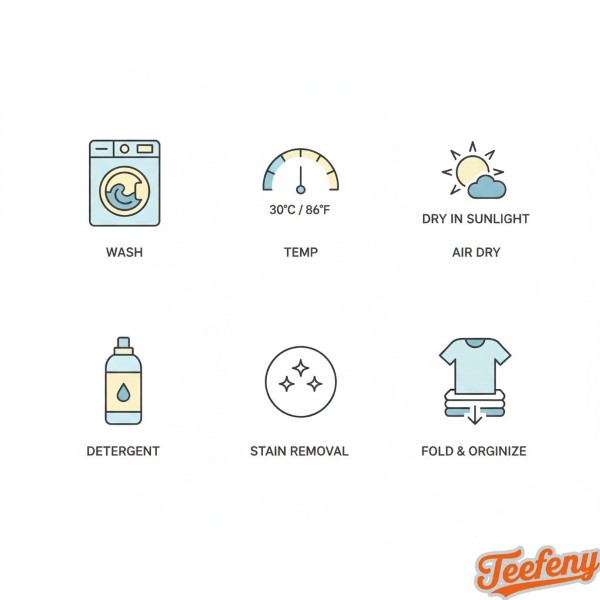
| Care Aspect | Best Practice | Key Benefits |
|---|---|---|
| Sorting | Separate whites from all colored clothing; sort by fabric weight | Prevents dye transfer and ensures proper cleaning |
| Pre-Treatment | Apply stain remover to collars, underarms, and visible stains 1 hour before washing | Breaks down oils and prevents yellowing |
| Detergent | Use enzyme-based detergent with oxygen bleach or baking soda | Brightens without harsh chemical damage |
| Water Temperature | Hot water (90-140°F) for heavily soiled; warm for regular cleaning | Removes oils and activates detergent effectively |
| Washing Frequency | Wash after each wear | Prevents body oil buildup and staining |
| Drying Method | Line dry in sunlight when possible; low heat machine drying as alternative | Natural bleaching and reduced fabric wear |
| Stain Removal | Hydrogen peroxide + baking soda paste for yellow stains | Lifts stubborn discoloration without bleach damage |
| Storage | Cool, dry location in breathable containers | Prevents oxidation yellowing |
| Deodorant Choice | Switch to aluminum-free formulations | Reduces chemical reaction causing yellow stains |
| Machine Loading | Avoid overloading; allow clothes to move freely | Ensures thorough cleaning and rinsing |
Frequently Asked Questions

How do you get white shirts bright white again?
To restore brightness to dingy white shirts, start with a deep-cleaning soak using oxygen bleach. Dissolve the oxygen bleach in hot water according to package directions, submerge your shirts completely, and allow them to soak for several hours or overnight. After soaking, wash normally with enzyme-based detergent and add half a cup of baking soda to boost whitening power. For stubborn yellowing, create a paste of hydrogen peroxide and baking soda, apply to discolored areas, let sit for 30 minutes, then wash. Finally, dry shirts in direct sunlight to take advantage of UV rays’ natural bleaching properties. This combination approach addresses multiple types of discoloration and typically restores brightness to even severely dingy whites.
Should I wash whites 60 or 40?
The ideal temperature depends on fabric type and soil level. Washing at 60°C (140°F) delivers superior cleaning and stain removal for heavily soiled items like towels, bedding, or workout clothes, as the higher heat breaks down oils and kills bacteria more effectively. However, 40°C (105°F) works well for lightly soiled whites or delicate fabrics, providing adequate cleaning while conserving energy and preventing potential shrinkage. Always check care labels first—some fabrics cannot tolerate high temperatures. For optimal results with mixed fabric loads, 40°C offers a safe compromise. When dealing with stubborn stains or deep-set grime on durable cotton whites, 60°C combined with oxygen bleach produces the best results without the risks associated with chlorine bleach.
Does baking soda really whiten clothes?
Yes, baking soda effectively whitens clothes through multiple mechanisms. As a mild alkali, it neutralizes acids present in sweat and body oils that cause yellowing. Its gentle abrasive properties help lift surface stains without damaging fabric fibers. Baking soda also boosts detergent performance by softening water and helping cleaning agents penetrate fabrics more effectively. For best results, add half a cup of baking soda directly to the washing machine drum along with regular detergent—never add it to the dispenser as this can cause clogging. For targeted stain treatment, create a paste using equal parts baking soda and water, apply to problem areas, let sit for an hour, then wash normally. This natural, inexpensive whitening agent works particularly well for removing organic stains and freshening fabrics without harsh chemicals.
How do I keep white t-shirts white?
Maintaining white t-shirts requires consistent preventive care habits. Wash shirts after every wear to prevent body oils from setting into fibers—even if they look clean, perspiration accumulates throughout wear. Always separate whites from colored clothing during washing to avoid dye transfer. Pre-treat high-contact areas like collars and underarms before each wash, even when stains aren’t visible. Use enzyme-based detergents with oxygen bleach rather than chlorine bleach, which can cause yellowing. Select water temperature based on care labels, favoring warm to hot water for durable cottons. Dry shirts in direct sunlight when possible to take advantage of natural UV bleaching. Switch to aluminum-free deodorants to minimize the chemical reactions that create yellow armpit stains. Store whites in cool, dry locations with good ventilation, avoiding plastic containers that trap moisture. Following these practices consistently keeps white t-shirts looking fresh and bright for years.
What causes yellow stains specifically around the collar?
Yellow collar stains result from body oils, sweat, and dead skin cells accumulating where skin contacts fabric most directly. Throughout the day, natural sebum from your neck transfers onto collar fabric, and when combined with perspiration and environmental dirt, creates a sticky residue that oxidizes over time into visible yellowing. Traditional detergents struggle to fully remove these oily, protein-based stains during regular washing, allowing buildup to intensify with each wear. The problem worsens when shirts are worn multiple times before washing or when they’re not properly pre-treated. To address collar yellowing, apply enzyme-based stain remover or liquid detergent directly to collars before washing, gently rubbing it into the fabric. For set-in stains, make a paste of hydrogen peroxide, dish soap, and baking soda, apply generously, let sit for 30 minutes, then wash. Prevent future yellowing by pre-treating collars before every wash and washing shirts after each wear.
Is it better to wash white t-shirts by hand or in the machine?
Machine washing is more practical and equally effective for most white t-shirts, particularly those made from durable cotton. Modern washing machines provide consistent agitation, thorough rinsing, and better water temperature control than hand washing. However, hand washing benefits delicate whites, vintage garments, or those with embellishments that could snag in machines. If hand washing, use cool to warm water with mild detergent, gently agitate for several minutes, and rinse thoroughly until water runs clear. For screen-printed white t-shirts, machine washing inside out on a gentle cycle offers the best balance of convenience and care. Quality cotton whites from brands like Teefeny are designed to withstand regular machine washing without losing shape or brightness. The key is proper technique—avoiding overloading, using appropriate detergent amounts, and selecting correct wash settings—rather than the washing method itself.
Can I use bleach on all white t-shirts?
Not all white t-shirts tolerate bleach safely. Chlorine bleach works only on pure white, bleach-safe cotton or polyester fabrics and should be avoided on whites containing spandex, wool, silk, or other delicate fibers, as it weakens these materials and can cause yellowing rather than whitening. Always check care labels before using any bleach product. Many manufacturers explicitly prohibit bleach use on their garments. Oxygen bleach (also called color-safe or non-chlorine bleach) provides a safer alternative that works on virtually all white fabrics, including those containing elastic or blended materials. Oxygen bleach brightens through a gentler oxidation process that doesn’t strip color or damage fibers. For screen-printed white t-shirts, even oxygen bleach should be used cautiously as it may affect print longevity. When uncertain about bleach safety, test a small hidden area first, or choose natural alternatives like baking soda and vinegar that clean effectively without chemical risks.
How long should white t-shirts last with proper care?
With proper care practices, quality white t-shirts can last three to five years or longer while maintaining their brightness and structural integrity. Factors affecting longevity include fabric quality, washing frequency, care techniques, and how garments are worn and stored. Premium cotton white t-shirts with reinforced stitching and quality construction withstand more wash cycles than cheaper alternatives. Following best practices—washing after each wear, using appropriate temperatures, avoiding harsh chemicals, and line drying—significantly extends garment life. Rotating multiple white t-shirts rather than repeatedly wearing the same few pieces distributes wear evenly and reduces stress on individual items. Signs that replacement is needed include persistent yellowing that doesn’t respond to treatment, fabric thinning, stretched-out necklines, or holes developing at stress points. Investing in quality white t-shirts and caring for them properly proves more economical long-term than frequently replacing cheaper options that deteriorate quickly.
About Teefeny: We’re passionate about helping you maintain your wardrobe investments. Our premium white t-shirts are designed with durability and easy care in mind, ensuring they stay bright and comfortable through countless washes. By following these care guidelines, you’ll maximize the lifespan and appearance of your favorite white tees, whether they’re from Teefeny or any other quality brand.
Related Posts: