
How to Wash T-Shirts Without Fading Colors

Dec
There’s nothing quite as disappointing as pulling your favorite vibrant t-shirt from the wash only to find its colors looking dull and lifeless. Whether it’s a cherished graphic tee from a memorable concert or your go-to everyday shirt, color fading can quickly turn beloved garments into forgettable pieces. The good news is that with proper care techniques and a bit of knowledge, you can significantly extend the life and vibrancy of your t-shirts.
At Teefeny, we understand that your t-shirts are more than just clothing—they’re expressions of your personality and style. That’s why we’ve compiled this comprehensive guide to help you master the art of how to wash t-shirts without fading, ensuring your wardrobe stays as colorful and dynamic as the day you first wore each piece.
Understanding Why T-Shirts Fade

Before diving into prevention strategies, it’s important to understand what causes color loss in the first place. Fading occurs due to a combination of several factors working against your garments during the washing and drying process.
Heat is one of the primary culprits. When exposed to hot water or high dryer temperatures, the dye molecules in fabric begin to break down. According to Whirlpool’s fabric care experts, hot water washes, harsh detergents, agitation during washing, and overdrying all contribute to premature fading. The dye itself can also cause bleeding and fading if it’s not well-set or if the wrong type of dye was used on certain fabrics.
Friction between articles of clothing during the wash cycle causes fabric fibers to break, resulting in a faded appearance. Additionally, prolonged exposure to direct sunlight—whether during outdoor drying or storage—can accelerate color deterioration through UV radiation damage.
Understanding these factors is the first step in learning how to wash t-shirts without fading. By minimizing heat, friction, and harsh chemical exposure, you can keep your t-shirts looking vibrant for years to come.
Essential Pre-Wash Preparation
Sort Your Laundry Carefully

Proper sorting is the foundation of preventing t-shirt fading. Separate your laundry into distinct categories: whites, lights, darks, and colors. This prevents color bleeding, where dyes from one garment transfer onto another during washing.
For best results when washing colored t-shirts, group similar hues together. Wash new or deeply saturated items separately for the first few washes, as they’re more likely to release excess dye. Pay special attention to sorting by fabric type as well—washing heavy denim alongside delicate cotton tees can cause unnecessary wear through abrasion.
Turn T-Shirts Inside Out
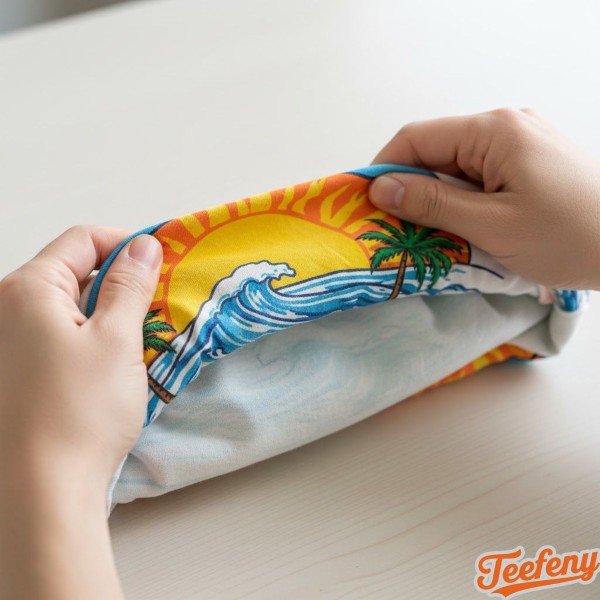
This simple step is one of the most effective ways to protect t-shirt colors. Turning garments inside out before washing shields the outer surface from direct agitation and friction with other clothes. Heritage Park Laundry Essentials emphasizes that this technique is particularly crucial for graphic tees, as it protects screen-printed designs from fading, cracking, and flaking while still ensuring a thorough clean.
The inside of the shirt takes the brunt of the washing action, while the vibrant colors you care about remain protected. This method also helps preserve the softness of the fabric and prevents pilling on the exterior surface.
Check Care Labels
Before washing any t-shirt, always consult the care label. These labels provide manufacturer-specific instructions regarding maximum water temperature, drying methods, and any special handling requirements. Following these guidelines ensures you’re treating each garment appropriately based on its unique fabric composition and dye type.
Optimal Water Temperature and Washing Settings
Cold Water Washing is Key

When it comes to how to wash t-shirts without fading, water temperature makes all the difference. Cold water washing—typically around 20-30°C (68-86°F)—is ideal for preserving color vibrancy. ARM & HAMMER laundry experts emphasize that washing dark-colored fabrics in cold water helps keep rich, deep colors looking their best, as hot water is more damaging to fabric fibers and accelerates fading.
Cold water prevents dye molecules from loosening and bleeding out of the fabric. It’s effective for everyday cleaning while being gentle on colors. Modern detergents are specifically formulated to work effectively at lower temperatures, so you won’t sacrifice cleanliness for color preservation.
What temperature water prevents t-shirt color fading most effectively? For most colored t-shirts, stick to the 20-30°C range. If you must wash at higher temperatures due to staining or hygiene concerns, 40°C is the maximum you should consider for colored garments. Remember, even warm water can accelerate fading over time.
Choose the Gentle Cycle
Select your washing machine’s gentle or delicate cycle when washing t-shirts. These settings minimize agitation, which reduces friction between garments and helps prevent color loss. Shorter cycles with reduced revolutions per minute (RPM) are gentler on fabrics and preserve both the material integrity and color saturation.
Avoid overloading your washing machine. Clothes need adequate space to move freely during the wash cycle. Overcrowding leads to increased friction, inadequate cleaning, and potential color transfer between garments.
Selecting the Right Detergent and Additives
Use Mild, Color-Safe Detergent
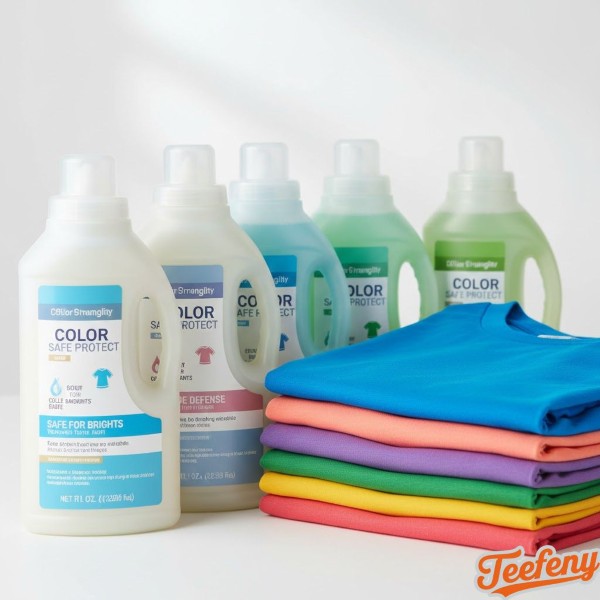
Choosing an appropriate laundry detergent is essential for t-shirt care. Opt for liquid detergents specifically formulated for colored fabrics or dark clothing. These products are designed to clean effectively while protecting color vibrancy. Liquid detergents are preferable to powder formulations as they dissolve more completely and don’t leave residue that can dull colors.
Avoid detergents containing harsh chemicals, optical brighteners, or bleaching agents, which can strip color from fabrics. Use the recommended amount—too much detergent can leave residue that makes colors appear dull and faded.
Skip the Bleach and Fabric Softeners
Never use chlorine bleach on colored t-shirts. Bleach is designed to remove color and will cause immediate and permanent fading. Even color-safe bleach should be used sparingly and only when absolutely necessary.
While fabric softeners can reduce friction in the wash, they can also leave a waxy buildup on fabrics over time. If you want to use a fabric softener, choose a high-quality option and use it sparingly. Better yet, consider natural alternatives like white vinegar.
The Vinegar Question: Does It Really Help?

Does vinegar prevent t-shirt colors from fading? This is a common question among those seeking natural ways to keep t-shirt colors from fading in laundry. According to experts at Homes & Gardens, vinegar’s acidic properties help set dye in fabric, making it less likely to fade. The acid acts as a mordant, encouraging fabric to retain absorbed dye.
However, some sources note that vinegar primarily removes detergent buildup from fabrics rather than directly preventing fading. This buildup removal allows fabrics to regain their brighter appearance. Add half a cup of white vinegar to the final rinse cycle—not directly on clothing—to potentially help maintain color vibrancy and fabric softness.
Proper Drying Techniques
Air Drying is Best

The best way to wash colored t-shirts to prevent fading extends beyond the washing machine to the drying process. Heat from dryers is extremely damaging to colored fabrics. Air drying is the safest method for preserving t-shirt colors and preventing shrinkage.
Lay t-shirts flat on a clean drying rack or towel, reshaping them if necessary. This prevents stretching that can occur from hanging. If you prefer hanging, use padded hangers and hang shirts in a well-ventilated indoor space away from direct sunlight.
Never dry colored t-shirts outdoors in direct sunlight. UV rays can bleach colors just as effectively as chemical bleach. Choose shaded, indoor drying locations to protect your garments from sun damage.
If You Must Use a Dryer
Sometimes air drying isn’t practical due to time constraints or weather conditions. If you must use a dryer, keep your t-shirts inside out and select the lowest heat setting or tumble dry without heat. Remove garments while they’re still slightly damp to minimize heat exposure.
Studies show that overdrying can cause colors to fade and fabrics to shrink. Pull t-shirts from the dryer promptly to prevent prolonged heat exposure and reduce wrinkles.
Special Considerations for Different T-Shirt Types
How to Keep Black T-Shirts From Fading in the Wash

Black and dark-colored t-shirts require extra attention as they show fading more dramatically than lighter colors. Always wash black t-shirts in cold water on the delicate cycle, turned inside out. Consider using detergents specifically formulated for dark colors, which contain color-preserving agents.
Wash black items separately or with other dark colors only. Even washing blacks with navy blues can sometimes result in slight color transfer. For heavily worn black t-shirts that have started to fade, some enthusiasts use coffee or black tea in the rinse cycle as a natural color refresher.
How to Stop Graphic Tees From Fading When Washing
Graphic t-shirts with screen-printed, heat-transferred, or vinyl designs need particular care. These decorative elements are especially vulnerable to heat, friction, and harsh chemicals. Always turn graphic tees inside out before washing to protect the design from direct contact with other garments and the washing machine drum.
Hand washing is ideal for cherished graphic tees, though machine washing on a gentle cycle with cold water is acceptable if you follow proper precautions. Never iron directly over graphics—if ironing is necessary, keep the shirt inside out or place a cloth barrier over the design and use the lowest heat setting.
Advanced Tips for Maximizing Color Retention
Wash Less Frequently
One of the simplest ways to prevent fading is to wash your t-shirts less often. Unless visibly soiled or odorous, t-shirts can often be worn multiple times before washing. Airing out lightly worn shirts helps refresh them between washes. This reduces exposure to water, detergent, and agitation—all factors that contribute to fading.
Pre-Treat Stains Carefully
When spot-treating stains on colored t-shirts, use gentle, color-safe stain removers. Apply the product to a small, inconspicuous area first to test for colorfastness. Blot stains rather than rubbing vigorously, working from the outside toward the center to prevent spreading.
Consider Hand Washing
For your most precious t-shirts, hand washing offers the gentlest cleaning method. Fill a basin with cold water and add a small amount of mild detergent. Gently massage the fabric, paying attention to collars and underarms. Rinse thoroughly with cold water until all detergent is removed, then press out excess water without wringing and lay flat to dry.
Store T-Shirts Properly

Storage conditions affect color retention. Keep t-shirts in a cool, dry, dark place. Fold them rather than hanging to prevent stretching. Cedar blocks or lavender sachets can keep stored garments fresh without exposing them to harsh chemical mothballs.
How Many Times Can You Wash a T-Shirt Before It Fades?
This varies significantly based on fabric quality, dye type, and how well you follow care instructions. High-quality t-shirts with well-set dyes, washed properly in cold water and air-dried, can maintain their color through dozens of wash cycles. Conversely, cheaply made shirts with poor-quality dyes might show noticeable fading after just five to ten washes.
At Teefeny, we focus on quality construction and durable dyes, but even the best t-shirts benefit from proper care. Following the techniques outlined in this guide can extend your t-shirts’ vibrant life by 50% or more compared to washing with hot water and high heat drying.
Common Mistakes to Avoid
Understanding what not to do is just as important as knowing proper techniques:
- Never use hot water on colored t-shirts – Heat breaks down dye molecules rapidly
- Avoid overloading the washing machine – Overcrowding increases friction and reduces cleaning effectiveness
- Don’t leave wet t-shirts in the washer – Trapped moisture can cause color bleeding and mildew odors
- Never add detergent directly onto clothes – This can cause spotting; add to the dispenser or drum first
- Avoid excessive detergent – More isn’t better; excess leaves dulling residue
- Don’t mix fabric weights – Heavy items like jeans can damage delicate t-shirts through abrasion
- Avoid ironing at high temperatures – Heat from irons can fade colors and damage prints
Environmental Benefits of Proper T-Shirt Care
Learning how to wash t-shirts without fading isn’t just good for your wardrobe—it’s beneficial for the environment too. Cold water washing significantly reduces energy consumption. According to energy efficiency studies, washing at 30°C instead of 40°C can reduce energy use by approximately 38%.
By extending the life of your t-shirts through proper care, you reduce textile waste and the environmental impact of manufacturing replacement garments. This aligns with sustainable fashion principles that emphasize quality over quantity and proper maintenance over frequent replacement.
For more comprehensive guidance on maintaining your wardrobe sustainably, explore our complete care and maintenance guides.
Troubleshooting Faded T-Shirts
If your t-shirts have already started to fade, don’t despair. While you can’t completely reverse fading, these strategies can improve their appearance:
Vinegar Soak: Soak faded t-shirts in a solution of cold water and white vinegar (one cup of vinegar per gallon of water) for 30 minutes before washing. This can help remove residue and brighten colors slightly.
Salt Treatment: Similar to vinegar, a salt water soak may help restore some color intensity to faded fabrics.
Fabric Dye: For severely faded favorite t-shirts, consider re-dyeing them. Commercial fabric dyes are available in many colors and can give old shirts new life.
Professional Restoration: Some dry cleaners offer color restoration services for valuable garments.
Creating a Sustainable T-Shirt Care Routine
Developing consistent habits ensures your t-shirts remain vibrant:
- Establish a sorting system – Designate separate hampers for whites, lights, and darks
- Set your washing machine defaults – Configure cold water and gentle cycles as your standard settings
- Schedule maintenance washes – Run a hot, empty cycle monthly to clean your machine and prevent residue buildup
- Keep a laundry care checklist – Post reminders near your washer about turning clothes inside out and checking pockets
- Invest in quality drying equipment – Good drying racks pay for themselves in extended garment life
Frequently Asked Questions
How to avoid color fading when washing clothes?
The key strategies for preventing color fading include washing in cold water (20-30°C), using the gentle cycle, turning garments inside out, separating colors, avoiding overloading the machine, and air drying away from direct sunlight. Use mild detergents formulated for colored fabrics and avoid bleach or harsh chemicals.
How to wash shirts so they don’t fade?
Wash shirts in cold water on a gentle cycle after turning them inside out. Sort by color to prevent dye transfer, use color-safe liquid detergent in appropriate amounts, and air dry whenever possible. For graphic or printed shirts, hand washing provides the gentlest option that best preserves both colors and designs.
Should I wash clothes at 30 or 40?
For colored t-shirts and most everyday garments, 30°C is ideal. This temperature effectively cleans while maximizing color preservation and energy efficiency. Reserve 40°C for items that are more heavily soiled or made from durable fabrics like cotton that can tolerate slightly warmer temperatures. The cooler the wash, the better for maintaining vibrant colors.
Does vinegar keep black clothes from fading?
Vinegar can help maintain the appearance of black clothes by removing detergent buildup that makes colors look dull. Add half a cup of white vinegar to the final rinse cycle—not during the main wash—to help preserve color vibrancy and soften fabrics naturally. While vinegar’s effectiveness is debated among experts, many find it beneficial as part of a comprehensive care routine that also includes cold water washing and air drying.
What’s the difference between washing graphic tees and solid-colored t-shirts?
Graphic tees require extra care because the printed designs are vulnerable to cracking, peeling, and fading. Always wash graphic tees inside out to protect prints from friction. Hand washing is preferable for cherished graphic shirts, though machine washing on cold/gentle cycles is acceptable. Solid-colored shirts without graphics can generally handle machine washing more readily, though following the same color-preservation principles extends their life too.
Can I restore a t-shirt that has already faded?
While you cannot fully reverse fading, several methods can improve appearance. Wash faded shirts with white vinegar in the rinse cycle to remove residue and brighten colors. A salt water soak before washing may help revive some vibrancy. For significant fading, consider re-dyeing the garment with commercial fabric dye. Prevention through proper washing techniques from the first wear is always more effective than attempting restoration.
Is cold water washing really effective for cleaning?
Yes, modern detergents are specifically formulated to work effectively in cold water. Cold water adequately removes everyday dirt, sweat, and most stains while preserving colors and saving energy. For heavily soiled items or tough stains, pre-treating before washing or occasional warm water washes (up to 40°C) may be necessary, but cold water handles regular laundry perfectly well.
How often should I wash my t-shirts?
Unless visibly dirty or odorous, t-shirts can typically be worn two to three times before washing, depending on activity level and climate. Over-washing accelerates fading and wear. Air out lightly worn shirts between uses to refresh them. This approach extends garment life while reducing water and energy consumption.
Summary: Key Takeaways for Vibrant T-Shirts

| Category | Best Practice | Why It Matters |
|---|---|---|
| Water Temperature | Wash in cold water (20-30°C) | Prevents dye molecules from breaking down and bleeding |
| Washing Cycle | Use gentle/delicate cycle with reduced spin | Minimizes friction and agitation that cause fading |
| Pre-Wash Prep | Turn t-shirts inside out | Protects outer surface and colors from direct abrasion |
| Sorting | Separate by color (darks, lights, whites) | Prevents color bleeding and dye transfer |
| Detergent | Use liquid color-safe detergent, appropriate amount | Cleans effectively without harsh chemicals or residue buildup |
| Additives | Add white vinegar to rinse cycle (optional) | Removes detergent buildup and may help set colors |
| Drying Method | Air dry flat or hanging, away from direct sunlight | Eliminates heat damage and UV fading |
| Machine Load | Avoid overloading; leave room for movement | Ensures proper cleaning and reduces friction |
| Special Care | Hand wash delicate/graphic tees when possible | Provides gentlest cleaning for vulnerable garments |
| Storage | Fold and store in cool, dark, dry place | Prevents sun exposure and maintains fabric integrity |
Conclusion
Mastering how to wash t-shirts without fading is an essential skill that preserves your investment in quality clothing while reducing environmental impact through extended garment life. By implementing the strategies outlined in this guide—from cold water washing and proper sorting to air drying and mindful storage—you can keep your t-shirts looking vibrant and new for significantly longer.
Remember that consistency is key. Developing good laundry habits pays dividends over time, with each properly washed load contributing to the longevity of your wardrobe. At Teefeny, we believe that quality t-shirts deserve quality care, and we’re committed to helping you get the most out of every garment.
Whether you’re protecting a favorite graphic tee, maintaining a collection of solid-colored basics, or trying to keep black t-shirts from fading in the wash, these techniques provide a comprehensive approach to color preservation. Start implementing these best practices today, and enjoy vibrant, beautiful t-shirts for years to come.
Related Posts: