
How to Wash T-Shirts in a Washing Machine Complete Guide

Dec
Learning how to wash t-shirts washing machine techniques properly might seem straightforward, but there’s more to it than tossing them in and hoping for the best. From our experience working with customers at Teefeny, we’ve seen countless favorite t-shirts ruined by simple washing mistakes—shrinkage, fading, stretched necklines, and cracked graphics are all too common. The good news? With the right t-shirt washing guide and laundry tips, you can keep your t-shirts looking fresh and fitting perfectly for years to come.
This comprehensive t-shirt washing guide walks you through everything you need to know about how to wash t-shirts washing machine properly, from preparing your garments to drying them correctly.
Why Proper T-Shirt Care Matters

T-shirts are wardrobe staples that deserve proper attention. Whether you’re washing everyday basics, workout tees, or cherished graphic shirts, understanding fabric care and proper washing machine settings protects your investment and extends garment life. Most people overlook the fact that washing is actually the most damaging part of a t-shirt’s lifecycle—not wearing it.
At Teefeny, we design t-shirts with quality fabrics, but even the best materials need proper laundry tips and t-shirt care to maintain their shape, color, and softness. Here’s what most people don’t realize: the majority of t-shirt damage happens in your laundry room, not from everyday wear.
Understanding T-Shirt Fabrics and Their Care Needs
Before learning how to wash t-shirts washing machine effectively, you need to understand what your shirts are made of. Different fabrics require different washing approaches and washing machine settings.
Cotton T-Shirts and Cotton Shirts
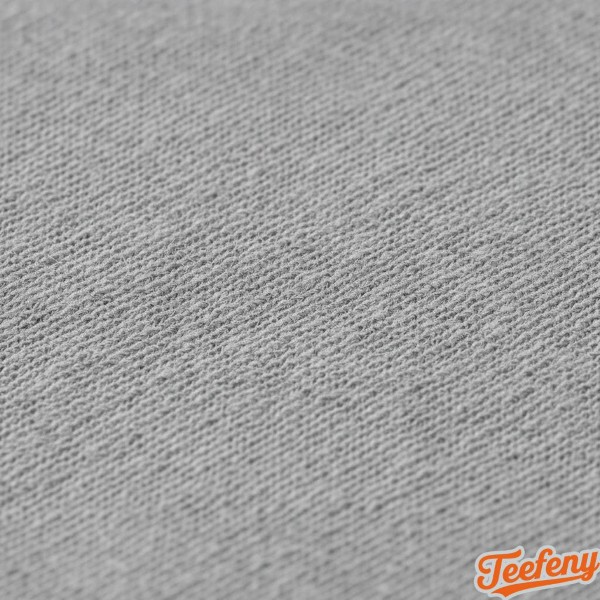
Cotton shirts make up the majority of most people’s wardrobes. As a natural fiber, cotton is breathable, comfortable, and absorbent. However, cotton fibers are prone to shrinkage when exposed to heat and moisture. According to textile experts, cotton can shrink up to 20% if not pre-shrunk, though most manufacturers pre-shrink fabric to reduce this to 2-5%. Understanding shrinkage prevention is crucial when learning how to wash t-shirts washing machine.
Cotton Blends
T-shirts made from cotton-polyester blends are less susceptible to shrinkage because polyester fibers resist heat and maintain their shape better than pure cotton shirts. These blends typically require similar washing techniques to pure cotton but offer more forgiveness if temperatures run higher than ideal during the wash cycle.
Performance and Synthetic Fabrics
Athletic t-shirts often contain polyester, nylon, or specialized moisture-wicking fabrics. These materials need gentler treatment than cotton shirts and should always be washed in cold water with proper washing machine settings to prevent melting or damage to the fibers.
Step-by-Step Guide: How to Wash T-Shirts Washing Machine
Let’s walk through the complete process for how to wash t-shirts washing machine properly. Following these laundry tips helps prevent shrinkage, fading, and fabric damage while ensuring shrinkage prevention.
Step 1: Sort Your Laundry Properly

Sorting laundry is the foundation of proper t-shirt care. This critical step prevents color bleeding, fabric damage, and ensures optimal washing results when you wash t-shirts washing machine.
Sort by color:
- Whites: White t-shirts should always wash separately to maintain brightness
- Lights: Pastels, light grays, and beige tones
- Darks: Blacks, navy, dark gray, and deep colors
- Brights: Vivid colors like red, orange, and hot pink (especially new items that might bleed)
Sort by fabric type: Separate heavy fabrics like denim from lightweight t-shirts. Heavy items can be abrasive during the wash cycle and spin cycle, damaging delicate t-shirt fabric through excessive friction.
Sort by soil level: Heavily soiled t-shirts benefit from presoak treatment and may need different washing machine settings than lightly worn shirts.
Step 2: Pre-Treat Stains and Consider Presoak

Address stains before you wash t-shirts washing machine. Acting quickly with proper laundry tips makes stain removal much more effective. For heavily soiled items, presoak them in cold water with detergent for 15-30 minutes before washing.
For fresh stains on cotton shirts, apply a small amount of liquid dish soap or liquid enzyme detergent directly to the stain. Let it sit for 10-15 minutes during the presoak phase, but don’t let it dry completely on the fabric. For tougher stains requiring shrinkage prevention measures, create a paste using water and baking soda, then gently work it into the stain with a soft cloth.
Step 3: Turn T-Shirts Inside Out
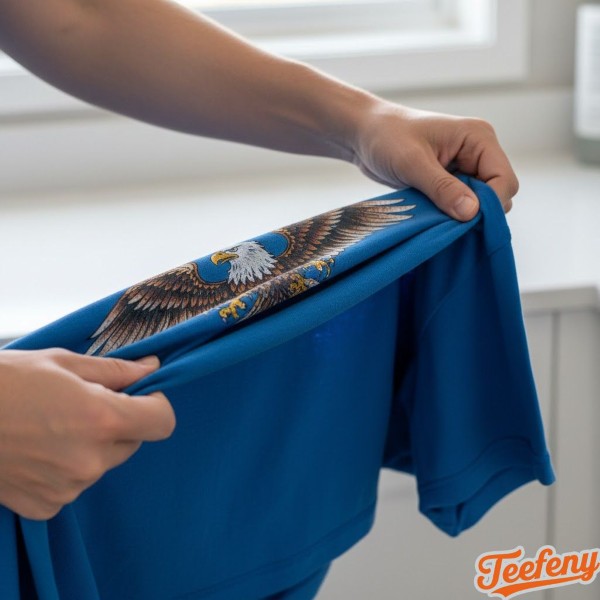
This is one of the most important laundry tips people skip. Turning your t-shirts inside out before you wash t-shirts washing machine protects the outer surface from abrasion during the wash cycle and spin cycle, reduces visible fading, and preserves prints or designs. The inside-out method minimizes friction between the t-shirt’s exterior and other garments.
This t-shirt care technique is especially critical for graphic tees. The printed designs will crack and peel over time if exposed to direct agitation during the wash cycle.
Step 4: Use the Right Detergent

Choose a high-quality, mild detergent appropriate for your t-shirt fabric. For cotton shirts, standard liquid detergents work well because they dissolve more effectively in cold water than powder formulas. For athletic or technical fabric t-shirts, consider detergents designed specifically for performance wear to break down sweat and odors.
How much detergent to use: Most people use too much detergent when they wash t-shirts washing machine. Follow the dosing instructions on the bottle carefully. Excess detergent leaves residue that attracts dirt and affects fabric feel. Less is genuinely more when it comes to proper fabric care.
Step 5: Select the Correct Water Temperature

Water temperature has a significant impact on how well you wash t-shirts washing machine and how long they last. According to laundry experts, cold water (60-80°F or approximately 15-27°C) is best for shrinkage prevention and preserving colors.
Cold Water (Most Recommended): Cold water prevents fading, minimizes shrinkage, and works for most t-shirt loads when you wash t-shirts washing machine. It’s also more energy-efficient, reducing utility costs by up to 62% compared to hot water washes, according to appliance testing data.
Warm Water: Warm water (40°C/104°F) can be used for white or light-colored cotton shirts that need deeper cleaning, but this increases the risk of shrinkage. Only use warm water when necessary for particularly soiled garments requiring extra t-shirt care.
Hot Water: Avoid hot water when you wash t-shirts washing machine unless absolutely necessary. Hot water causes cotton fibers to contract, leading to significant shrinkage despite shrinkage prevention efforts. Reserve hot water washes for items like towels and bedding.
Step 6: Choose the Right Wash Cycle

The wash cycle you select impacts how gently your t-shirts are treated during cleaning. Here’s where things get tricky—most people automatically select “normal” for everything when they wash t-shirts washing machine.
Delicate or Gentle Cycle: This is the best choice when you wash t-shirts washing machine. The delicate cycle uses less agitation and a slower spin cycle, reducing wear on fabric fibers. It’s particularly important for graphic tees, vintage shirts, or any t-shirt with embellishments.
Permanent Press Cycle: This cycle uses warm wash water and a cool rinse, which reduces wrinkling. It works well for cotton-polyester blend t-shirts and provides good t-shirt care.
Regular/Cotton Cycle: Use this cycle only for sturdy, heavily soiled cotton shirts that can withstand more aggressive washing. The standard wash cycle and spin cycle are more intense than necessary for most t-shirts.
Step 7: Don’t Overload the Machine
Give your t-shirts room to move freely when you wash t-shirts washing machine. Overloading prevents proper circulation during the wash cycle, reduces cleaning effectiveness, and increases friction that damages fabric. A good rule of thumb from experienced laundry tips: the drum should be about three-quarters full at most.
Step 8: Monitor the Spin Cycle
The spin cycle is crucial for shrinkage prevention and proper t-shirt care. Use a low to medium spin cycle speed rather than high speed. High spin cycle settings can stretch fabric and stress seams, especially on cotton shirts. Modern washing machine settings typically allow you to adjust the spin cycle separately from the wash cycle.
Step 9: Skip the Fabric Softener
Here’s something that surprises people: fabric softener isn’t necessary when you wash t-shirts washing machine and can actually harm them. Fabric softener coats cotton fibers, reducing their natural absorbency and breathability. Over time, it can also break down elastic fibers in stretchy fabrics.
If you want softer t-shirts naturally, add 1/4 cup of white vinegar to the rinse cycle. The vinegar smell disappears completely during drying, leaving t-shirts soft without residue buildup—one of the best laundry tips for natural fabric care.
Is It Better to Wash Clothes at 40 or 60 Degrees?
This is one of the most common questions in any t-shirt washing guide. The answer depends on what you’re washing and how soiled it is when you wash t-shirts washing machine.
40°C (104°F) – Best for Most T-Shirts: According to washing machine testing, 40°C provides effective stain removal while being gentle on fabrics. It’s warm enough to remove dirt, oils, and common stains but cool enough for shrinkage prevention. For everyday t-shirt care, 40°C strikes the right balance between cleaning power and fabric preservation when you wash t-shirts washing machine.
60°C (140°F) – Not Recommended for T-Shirts: This higher temperature kills bacteria effectively and works well for heavily soiled items like towels and bedding. However, 60°C is too hot when you wash t-shirts washing machine. It increases shrinkage risk dramatically, fades colors faster, and shortens fabric lifespan despite shrinkage prevention efforts. Reserve 60°C washes for items that truly need that level of heat sanitization—not your favorite tees.
30°C or Cold – Ideal for T-Shirts: For the best way to wash cotton t-shirts in washing machine and prevent fading, washing colored t-shirts without fading, and overall shrinkage prevention, stick with 30°C or cold water. Modern detergents are formulated to work effectively at these lower temperatures, making this one of the most important laundry tips for proper t-shirt care.
How to Dry T-Shirts Without Shrinkage
Drying is where most shrinkage damage occurs even after proper shrinkage prevention during washing. According to fabric care research, heat from dryers is a primary cause of cotton shrinkage because it causes fibers to lose tension and contract after the spin cycle.
Air Drying (Most Recommended)

Air drying is the gold standard for shrinkage prevention after you wash t-shirts washing machine. Here’s the proper technique from this t-shirt washing guide:
- Remove t-shirts from the washing machine immediately after the spin cycle ends
- Gently shake out each shirt to reduce wrinkles
- Hang t-shirts on rounded hangers (avoid wire hangers that create shoulder bumps)
- Or lay them flat on a clean, dry towel
- Keep them out of direct sunlight to prevent color fading
- Allow them to dry in a well-ventilated area
From our experience at Teefeny, customers who switch to air drying after they wash t-shirts washing machine notice their shirts maintain their original fit and color much longer than those who use a dryer regularly. This is one of the most effective laundry tips for extending garment life.
Machine Drying (If Necessary)
If you must use a dryer after you wash t-shirts washing machine:
- Keep t-shirts turned inside out for continued fabric care
- Use the lowest heat setting available on your washing machine settings
- Remove t-shirts while they’re still slightly damp for optimal shrinkage prevention
- Hang or lay flat to finish air drying
- Never overdry—this is when the most shrinkage occurs despite shrinkage prevention efforts during the wash cycle
- Clean the lint filter before each use for optimal airflow
What Washing Machine Setting for T-Shirts?
To summarize the optimal washing machine settings when you wash t-shirts washing machine, this t-shirt washing guide recommends:
- Water Temperature: Cold or 30°C/40°C maximum for proper shrinkage prevention
- Wash Cycle: Delicate, Gentle, or Permanent Press for optimal t-shirt care
- Spin Cycle: Low to medium speed (high speeds can stretch fabric)
- Load Size: Don’t exceed three-quarters full
- Extras: Skip fabric softener, use mesh bags for delicate items
These washing machine settings provide the best results when you wash t-shirts washing machine according to this comprehensive t-shirt washing guide.
The 7 Steps to Washing Clothes in a Washing Machine
Here’s a concise breakdown of how to properly wash shirts in a washing machine, incorporating essential laundry tips:
- Sort – Separate by color, fabric type, and soil level before you wash t-shirts washing machine
- Pre-treat – Address stains with presoak or spot treatment before washing
- Prepare – Turn garments inside out, close zippers, empty pockets for proper t-shirt care
- Load – Place items in the machine without overloading, following washing machine settings
- Add Detergent – Use the recommended amount for your load size
- Select Settings – Choose appropriate temperature, wash cycle, and spin cycle for shrinkage prevention
- Remove Promptly – Take items out immediately when the spin cycle ends
Special Considerations for Different T-Shirt Types
Graphic Tees and Printed T-Shirts

Graphic t-shirts require extra t-shirt care to prevent cracking and peeling of the design when you wash t-shirts washing machine. Always turn them inside out, wash in cold water with proper washing machine settings, use the delicate cycle, and air dry for optimal shrinkage prevention. Never iron directly on prints—if ironing is necessary, place a thin cloth between the iron and the design.
White T-Shirts
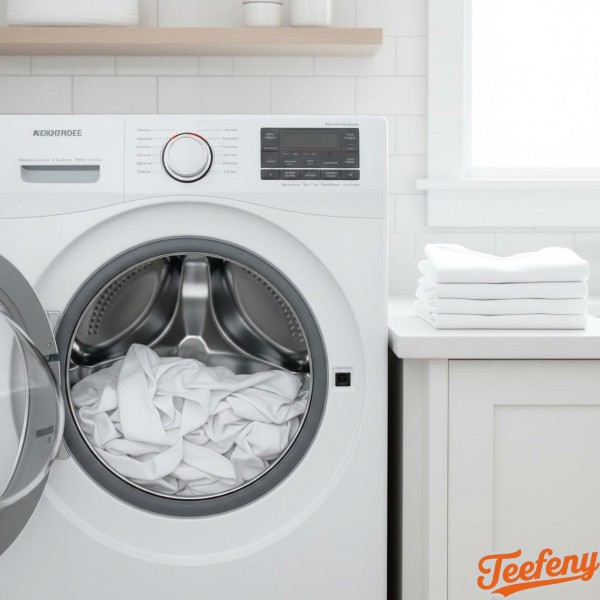
White cotton shirts can be washed at slightly warmer temperatures (40°C) to help maintain brightness when you wash t-shirts washing machine. To keep whites from yellowing, wash them separately from colors following this t-shirt washing guide, and avoid overdrying, which can cause yellowing over time despite proper t-shirt care.
Athletic and Performance T-Shirts
Technical fabrics used in workout shirts need special attention when you wash t-shirts washing machine. Always wash in cold water with detergent designed for athletic wear. These specialized detergents break down sweat, oils, and odors more effectively. Avoid fabric softener completely—it reduces moisture-wicking properties and compromises fabric care.
Vintage or Delicate T-Shirts
For valuable vintage t-shirts or particularly delicate items, consider hand washing instead of using standard washing machine settings. Fill a basin with cool water, add a small amount of gentle detergent, submerge the shirt during presoak, and gently agitate for a few minutes. Soak for 10-15 minutes, then rinse thoroughly in clean, cool water. This gentle approach provides excellent shrinkage prevention and t-shirt care.
Common T-Shirt Washing Mistakes to Avoid

In reality, most people overlook these critical errors when they wash t-shirts washing machine. These laundry tips help you avoid common pitfalls:
- Using too much detergent – More isn’t better; it leaves residue and compromises fabric care
- Washing in hot water habitually – Save hot water for items that truly need it for proper shrinkage prevention
- Overdrying in the machine – This causes the most shrinkage after the spin cycle
- Not separating by color properly – One red sock can ruin an entire load when you wash t-shirts washing machine
- Ignoring care labels – These provide essential fabric-specific washing machine settings
- Leaving wet clothes sitting – This promotes mildew after the spin cycle and sets in wrinkles
- Using the wrong cycle – Aggressive wash cycle settings wear out t-shirts prematurely
- Skipping presoak for stained items – Presoak treatment dramatically improves stain removal
- Using high spin cycle speeds – This stretches fabric and damages t-shirt care efforts
How Often Should You Wash T-Shirts?
T-shirts worn next to skin typically need washing after one or two wears when you wash t-shirts washing machine, depending on activity level and perspiration. If you’ve been sweating or the shirt is visibly soiled, wash it after one wear following this t-shirt washing guide. For lightly worn t-shirts in cool weather, you might get two wears before washing.
Over-washing shortens garment lifespan according to fabric care experts, so assess each item individually rather than automatically washing everything after a single wear. This is one of the most valuable laundry tips for extending t-shirt life.
Extending T-Shirt Life: Additional Laundry Tips
Beyond proper techniques when you wash t-shirts washing machine, these t-shirt care practices help your t-shirts last longer:
Storage: Fold t-shirts rather than hanging them. Hanging can stretch the shoulders and neckline over time. Store folded shirts on shelves or in drawers, away from direct sunlight for better fabric care.
Rotation: Rotate through your t-shirt collection rather than wearing the same few repeatedly. This reduces wear on individual items and maximizes your shrinkage prevention efforts.
Immediate Stain Treatment: The faster you treat a stain with presoak or spot treatment, the more likely it is to come out completely when you wash t-shirts washing machine. Keep a stain remover pen handy according to this t-shirt washing guide.
Regular Inspection: Check t-shirts occasionally for small holes, loose threads, or damaged seams. Repairing minor issues promptly prevents them from worsening—an essential part of t-shirt care.
To explore additional t-shirt maintenance tips, including how to fold and store your collection properly after you wash t-shirts washing machine, visit our comprehensive care and maintenance resource center for more laundry tips.
Environmental Considerations
Learning how to wash t-shirts washing machine properly isn’t just about preserving your garments—it’s also about environmental responsibility. Cold water washing with proper washing machine settings reduces energy consumption significantly. According to energy efficiency studies, lowering wash temperature from 40°C to 20°C can reduce running costs by up to 62% because washing machines use most of their energy heating water during the wash cycle.
Additionally, washing clothes less frequently (when appropriate using these laundry tips) and extending garment lifespan through proper t-shirt care reduces the environmental impact of clothing production and disposal.
Frequently Asked Questions
How to properly wash shirts in a washing machine?
To properly wash shirts in a washing machine, follow these essential laundry tips from this t-shirt washing guide: Sort by color and fabric type, turn shirts inside out for optimal t-shirt care, pre-treat any stains with presoak if needed, use cold water (60-80°F) for shrinkage prevention, select a delicate or gentle wash cycle, add the appropriate amount of mild detergent, choose a low to medium spin cycle, avoid overloading the machine, and remove shirts promptly when the spin cycle ends. Air dry when possible or use low heat if machine drying is necessary. These washing machine settings prevent shrinkage, fading, and fabric damage while ensuring thorough cleaning when you wash t-shirts washing machine.
Is it better to wash clothes at 40 or 60 degrees?
For t-shirts and most everyday clothing when you wash t-shirts washing machine, 40°C (104°F) is better than 60°C according to this t-shirt washing guide. The 40°C temperature provides effective cleaning for moderately soiled garments while minimizing shrinkage risk through proper shrinkage prevention and reducing color fading. It removes dirt, oils, and common stains adequately without the harsh effects of higher heat on cotton shirts. Reserve 60°C (140°F) washes for heavily soiled items like towels, bedding, and underwear that require bacteria elimination. For regular t-shirt care, even cold water (20-30°C) works excellently with modern detergents and is the most energy-efficient option, representing some of the best laundry tips for both fabric care and environmental responsibility.
What are the 7 steps to washing clothes in a washing machine?
The seven essential steps to washing clothes in a washing machine according to this t-shirt washing guide are: (1) Sort garments by color, fabric type, and soil level to prevent color bleeding and ensure appropriate t-shirt care; (2) Pre-treat stains with appropriate stain removers or presoak heavily soiled items before you wash t-shirts washing machine; (3) Prepare items by turning them inside out, closing zippers, and emptying pockets for proper fabric care; (4) Load the washing machine without overloading—fill about three-quarters full for optimal cleaning during the wash cycle; (5) Add the recommended amount of detergent based on load size and soil level; (6) Select appropriate washing machine settings including water temperature, wash cycle, and spin cycle for your fabric types and shrinkage prevention; (7) Remove items promptly when the spin cycle finishes to prevent wrinkles and mildew. These laundry tips ensure optimal results.
What washing machine setting for t-shirts?
The optimal washing machine settings when you wash t-shirts washing machine according to this t-shirt washing guide are: cold water temperature (60-80°F or 15-27°C) or maximum 40°C for shrinkage prevention, a delicate or gentle wash cycle to minimize agitation and provide proper t-shirt care, and a low to medium spin cycle to prevent fabric stress. Use mild liquid detergent appropriate for your t-shirt fabric, avoid fabric softener, and don’t overload the machine. Always turn t-shirts inside out before washing to protect the exterior fabric and any printed designs. These washing machine settings and laundry tips effectively clean cotton shirts and other t-shirt types while preventing common issues like shrinkage, fading, and stretched necklines through proper fabric care and shrinkage prevention methods.
How do I prevent my t-shirts from shrinking?
To prevent t-shirt shrinkage when you wash t-shirts washing machine, always wash in cold water (never hot) following this t-shirt washing guide, use the delicate or gentle wash cycle to minimize agitation, select a low spin cycle for proper fabric care, and air dry whenever possible instead of using a machine dryer for optimal shrinkage prevention. If you must use a dryer, select the lowest heat setting in your washing machine settings and remove t-shirts while still slightly damp to finish air drying. Avoid overdrying completely, as this is when most shrinkage occurs after the spin cycle. Cotton shirts are particularly prone to shrinking when exposed to heat, so temperature control during both the wash cycle and drying is crucial for shrinkage prevention. Following these laundry tips and t-shirt care techniques can help maintain your t-shirt’s original size and fit.
Can I wash t-shirts with jeans?
It’s generally not recommended to wash t-shirts with jeans when you wash t-shirts washing machine, especially in the same load regularly according to this t-shirt washing guide. Jeans are much heavier and more abrasive than cotton shirts, which means they can damage lighter fabrics through excessive friction during the wash cycle and spin cycle. The agitation caused by heavy denim can stretch t-shirt fabric, damage prints, and cause premature wear despite your t-shirt care efforts. If you must wash them together occasionally, turn all items inside out for shrinkage prevention, use a gentle wash cycle with appropriate washing machine settings, and ensure the load isn’t too full. For best results following these laundry tips, wash t-shirts separately from heavy items like jeans and towels to maintain proper fabric care.
Should I use hot or cold water to wash white t-shirts?
For white t-shirts when you wash t-shirts washing machine, warm water (40°C/104°F) is the best choice rather than hot water according to this t-shirt washing guide. While hot water can help with stain removal and brightness, it also increases shrinkage risk significantly on cotton shirts despite shrinkage prevention efforts. Warm water at 40°C provides adequate cleaning power for white shirts while minimizing fabric damage through proper washing machine settings. If your white t-shirts aren’t heavily soiled, cold water combined with a quality detergent works perfectly well for routine washing—one of the most practical laundry tips. To prevent yellowing in white shirts, remove them from the washer promptly after the spin cycle, avoid overdrying, and consider adding a little white vinegar to the rinse cycle instead of fabric softener for better t-shirt care and fabric care.
How can I remove yellowing from white t-shirts?
To remove yellowing from white t-shirts before you wash t-shirts washing machine, create a solution of equal parts hydrogen peroxide and water for presoak, or try soaking shirts in a mixture of 1/2 cup baking soda dissolved in warm water for 1-2 hours before washing according to this t-shirt washing guide. For stubborn yellowing in the underarm area of cotton shirts, make a paste of baking soda, salt, and hydrogen peroxide, apply it to the yellowed areas during presoak, let it sit for 20 minutes, then wash as normal using appropriate washing machine settings. Avoid using chlorine bleach repeatedly, as it can actually cause yellowing over time despite your t-shirt care efforts. Always wash white shirts separately, remove them from the machine promptly after the spin cycle, and avoid overdrying to prevent future yellowing through proper shrinkage prevention and fabric care. These laundry tips ensure long-lasting brightness.
Summary: Key Takeaways for Washing T-Shirts
| Aspect | Recommendation | Why It Matters |
|---|---|---|
| Water Temperature | Cold (60-80°F) or maximum 40°C | Prevents shrinkage, preserves colors, saves energy |
| Wash Cycle | Delicate or Gentle | Minimizes fabric stress and wear, essential t-shirt care |
| Spin Cycle | Low to medium speed | Reduces fabric stretching and maintains shape |
| Sorting | By color and fabric type | Prevents color bleeding and fabric damage |
| Detergent | Mild liquid detergent, proper amount | Effective cleaning without residue buildup |
| Inside Out | Always turn t-shirts inside out | Protects exterior surface and printed designs |
| Drying Method | Air drying preferred | Best shrinkage prevention method |
| Fabric Softener | Avoid for t-shirts | Reduces absorbency and can damage elastic fibers |
| Load Size | Three-quarters full maximum | Ensures proper cleaning and reduces friction |
| Presoak | Use for heavily soiled items | Improves stain removal effectiveness |
| Frequency | After 1-2 wears depending on use | Balances cleanliness with garment longevity |
| Pre-treatment | Address stains immediately | Increases stain removal effectiveness |
Conclusion
Learning how to wash t-shirts washing machine properly transforms from a mundane chore into an investment in your wardrobe. By following the techniques outlined in this t-shirt washing guide—from sorting and pre-treatment through washing and drying—you can dramatically extend the life of your favorite t-shirts while keeping them looking fresh and fitting perfectly.
At Teefeny, we believe quality t-shirts deserve quality care. The step by step guide to washing t-shirts we’ve provided combines industry best practices with practical, real-world experience to help you maintain your t-shirt collection effectively. Whether you’re caring for everyday basics, performance athletic wear, or cherished graphic tees, these laundry tips and washing machine settings apply universally.
Remember, the best way to wash cotton t-shirts in washing machine starts with understanding your fabrics, using appropriate washing machine settings, being mindful throughout the wash cycle and spin cycle, and implementing proper shrinkage prevention techniques. Small changes in your laundry routine—like switching to cold water, turning shirts inside out, using presoak for stained items, and air drying—make substantial differences in garment longevity through consistent t-shirt care and fabric care.
With these techniques and laundry tips in your arsenal, you’re equipped to keep your cotton shirts and all t-shirt types looking and feeling their best for years to come.
Related Posts: