
How to Wash New T-Shirts Before First Wear

Dec
That crisp, brand-new t-shirt looks perfect right off the rack. The colors are vibrant, the fabric is smooth, and you’re eager to wear it. But before you cut off those tags and head out the door, there’s an important step you shouldn’t skip: washing your new t-shirts before the first wear.
At Teefeny, we understand the excitement of receiving a new t-shirt, but we also know that proper garment preparation ensures the best experience with your apparel. Whether you’ve just purchased a premium graphic tee or a classic wardrobe staple, learning how to wash new t-shirts correctly will protect both your health and your investment.
Why You Should Wash New T-Shirts Before Wearing Them

Chemical Residues from Manufacturing

The journey your t-shirt takes from factory to closet involves numerous chemical treatments. According to textile science experts at North Carolina State University, manufacturing processes include surfactants, bleaching chemicals, and lubricants that may oversaturate fabrics during production. These excess chemicals sitting on the fabric surface should be removed before the garment touches your skin.
Formaldehyde is commonly used in textile manufacturing to prevent wrinkles, enhance color retention, and provide stain resistance. While European regulations limit formaldehyde to 75 mg/kg in clothing, washing new clothes removes these potentially irritating substances that can cause skin reactions in sensitive individuals.
Bacteria and Contaminants

New York University microbiology professor Philip Tierno conducted research that revealed new clothing can harbor concerning contaminants including bacteria, norovirus, and even fecal matter. These germs accumulate as clothes pass through multiple hands during the manufacturing supply chain, shipping process, and retail try-ons.
Your new t-shirt has traveled a complex route from overseas factories through distribution centers to store shelves. Along this journey, numerous people have handled the fabric, and other shoppers may have tried it on before you purchased it. Each touchpoint represents a potential source of contamination that washing can eliminate.
Excess Dye and Color Bleeding
Preventing color bleeding in new clothes requires washing them before the first wear. Many bright or dark-colored t-shirts contain excess dye that wasn’t properly fixed during manufacturing. This unstable dye can transfer onto your skin, other clothing items, or even furniture if you wear the shirt before washing.
The first wash removes loose dye particles, helping to set the remaining color and prevent future bleeding issues. This step is particularly crucial for washing new jeans for the first time or any deeply saturated garments.
Optimal Fabric Texture
New t-shirts often feel stiff due to sizing agents and finishing treatments applied during production. These substances help fabrics maintain their shape during shipping and display but can make the material feel less comfortable against skin. Washing removes these temporary treatments, allowing the natural softness of the cotton or fabric blend to emerge.
Understanding T-Shirt Fabric Care Needs
Cotton T-Shirts
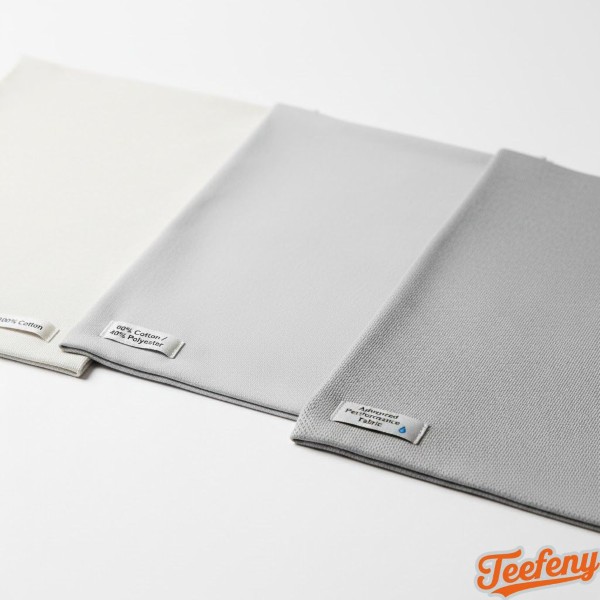
Pure cotton t-shirts are the most common type and require special attention during the first wash. Cotton fibers are stretched during the manufacturing process, creating tension within the fabric structure. When exposed to heat and moisture, these fibers naturally want to return to their original state, which causes shrinkage.
Understanding how to wash new cotton t-shirts without shrinking involves managing water temperature, drying methods, and mechanical agitation. Cotton is particularly vulnerable during the first wash when relaxation shrinkage is most likely to occur.
Cotton Blends
Cotton-polyester blends offer the comfort of cotton with the durability and wrinkle resistance of synthetic fibers. These fabrics typically experience less shrinkage than pure cotton but still benefit from careful first-wash treatment. The polyester content helps stabilize the garment structure while maintaining breathability.
Specialty Fabrics
Modal, rayon, and other cellulose-based fibers require similar care to cotton. These sustainable alternatives offer excellent softness but can be prone to shrinkage if exposed to high heat. Synthetic materials like 100% polyester generally resist shrinkage but still need initial washing to remove manufacturing chemicals and contaminants.
Step-by-Step Guide: How to Wash New T-Shirts
Step 1: Read the Care Label

Before washing new t-shirts, always check the garment care label for manufacturer-specific instructions. These labels provide essential information about fiber content, recommended water temperature, drying methods, and any special precautions. Following these guidelines ensures you maintain the t-shirt’s quality and avoid damage.
Pay attention to symbols indicating hand wash only, dry clean only, or specific temperature restrictions. If you’re unsure about any symbols, research their meanings to avoid costly mistakes.
Step 2: Separate by Color

Proper color separation is crucial when preparing new shirts for wear. Sort your new t-shirts into three categories: whites, lights, and darks. This prevents color transfer, especially important with new garments that may release excess dye during the first wash cycle.
Do new t-shirts need to be washed separately? For the initial wash, it’s wise to wash new items separately from your regular laundry, particularly if they’re brightly colored or dark-toned. This precaution protects your existing wardrobe from potential dye bleeding.
Step 3: Turn T-Shirts Inside Out

Turning new t-shirts inside out before washing protects the outer surface from friction and abrasion. This simple step preserves printed designs, prevents pilling on the fabric face, and allows the dirtiest part of the garment—the inside that contacts your skin—to receive direct exposure to detergent and water.
For graphic tees or shirts with embellishments, this protection is particularly important to maintain design integrity through multiple wash cycles.
Step 4: Choose the Right Water Temperature

What temperature to wash new t-shirts for the first time? Cold water is optimal for washing new t-shirts before wearing them. Cold water (60-80°F or 15-27°C) effectively removes contaminants, excess chemicals, and loose dye while preventing shrinkage and color fading.
Research shows that washing clothes in cold water doesn’t compromise cleanliness while significantly extending garment life. Hot water can relax fiber tension, leading to the shrinkage you’re trying to avoid.
Step 5: Select the Gentle Cycle
The best way to wash brand new t-shirts first time involves using the gentle or delicate cycle on your washing machine. This setting minimizes mechanical agitation, reduces stress on fabric fibers, and prevents damage to seams and stitching.
Gentle cycles use slower agitation speeds and shorter spin times, which are particularly beneficial for washing new clothes that haven’t yet stabilized through multiple wash cycles. At Teefeny, we recommend this approach for all our premium t-shirts to maintain their quality.
Step 6: Use Mild Detergent
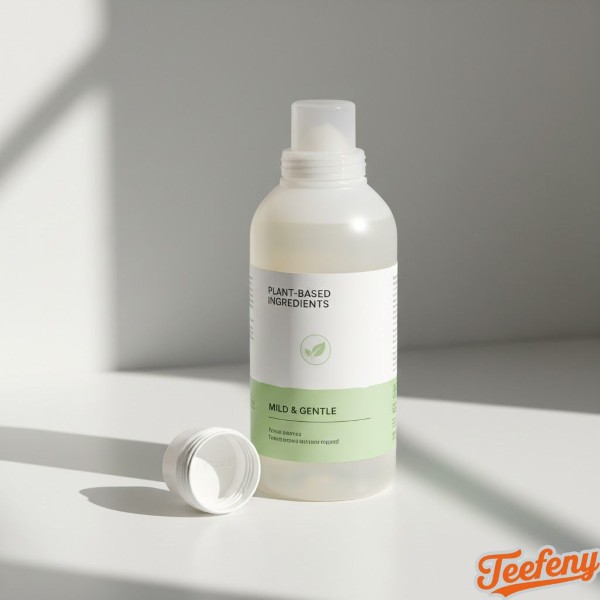
Selecting the right detergent for fabric care is essential. Choose a mild, dye-free, fragrance-free detergent that won’t irritate sensitive skin or damage fabric fibers. Harsh detergents containing bleach can weaken cotton and cause discoloration.
Use the recommended amount specified on the detergent bottle—too much detergent leaves residue that the rinse cycle may not completely remove. For those concerned about chemical removal from new clothing, eco-friendly detergents provide effective cleaning without harsh additives.
Step 7: Skip the Fabric Softener
For the first wash of new t-shirts, avoid fabric softener. While it makes fabrics feel softer, it can interfere with moisture-wicking properties in performance fabrics and may leave a coating that reduces absorbency in cotton.
Instead, let the natural softness of the fabric emerge through washing. If you prefer softer t-shirts, add fabric softener in subsequent washes after the initial chemical removal is complete.
Step 8: Consider Pre-Soaking
For cotton t-shirts prone to shrinkage, consider pre-soaking in cold water for 24-48 hours before the first wash. This technique allows fibers to relax gradually without the shock of machine washing, potentially reducing shrinkage during the actual wash cycle.
Gently swish the t-shirt in the water periodically to ensure even saturation. This method is particularly useful for 100% cotton garments or those without pre-shrunk labeling.
Drying New T-Shirts: Preventing Shrinkage
Air Drying: The Best Option
Air drying is the safest method for how to wash new cotton t-shirts without shrinking. After washing, gently reshape the t-shirt and lay it flat on a clean towel or hang it on a drying rack. This method eliminates heat exposure entirely, preserving the garment’s original size and preventing damage to prints or embellishments.
Position air-dried t-shirts away from direct sunlight, which can fade colors and cause fiber tightening. A well-ventilated indoor space or shaded outdoor area works best.
Using the Dryer Safely

Can you put new t-shirts in the dryer after first wash? If air drying isn’t feasible, you can use the dryer with precautions. Select the lowest heat setting or tumble dry option, and remove t-shirts while they’re still slightly damp to the touch.
Overdrying causes unnecessary heat exposure and increases shrinkage risk. Remove garments promptly after the cycle ends to prevent wrinkles and allow them to finish drying naturally on a flat surface or hanger.
The Heat and Shrinkage Connection
Understanding shrinkage prevention requires recognizing how heat affects fabric. The dryer is often called “the enemy of cotton t-shirts” because even low heat settings can trigger fiber contraction. Heat releases the manufacturing tension in cotton fibers, causing them to revert to their natural, shorter state.
Most shrinkage occurs during the first wash and dry cycle, making your initial drying method selection particularly crucial. Investing time in careful drying pays dividends in long-term garment fit and appearance.
Special Considerations for Different T-Shirt Types
Printed and Graphic T-Shirts

Washing instructions for new clothing with screen-printed designs require extra care. Always turn graphic tees inside out before washing to protect the print from rubbing against other garments and the washing machine drum. Use cold water exclusively, as heat can crack or fade printed designs.
Never iron directly on printed areas—if necessary, iron inside out on the lowest setting with a cloth barrier between the iron and fabric. At Teefeny, our graphic designs are applied using high-quality methods, but proper care ensures they remain vibrant through countless wears.
Performance and Athletic T-Shirts
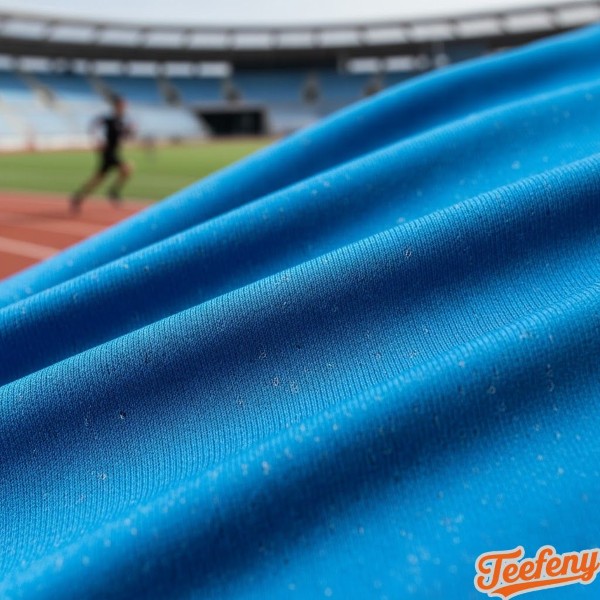
Performance fabrics designed for moisture-wicking require special washing techniques. These technical textiles often contain polyester, spandex, or specialized fiber treatments that help manage sweat and provide stretch. Wash these items in cold water and avoid fabric softener, which can clog the fabric’s pores and reduce moisture-wicking effectiveness.
Air drying is particularly important for athletic wear, as heat can damage elastic fibers and compromise the garment’s functional properties.
Organic and Eco-Friendly T-Shirts
Organic cotton t-shirts offer environmental benefits and often feel softer than conventional cotton. However, research indicates that organic cotton can still contain chemical residues from dyeing and finishing processes, making the first wash equally important.
The pesticide-free growing process doesn’t prevent all chemical exposure during manufacturing, so wash organic t-shirts before wearing to ensure maximum safety and comfort.
Common Mistakes to Avoid

Using Hot Water
One of the most frequent errors is washing new t-shirts in hot water, thinking it provides better sanitization. While hot water does kill more bacteria, it dramatically increases shrinkage risk and can set wrinkles permanently in cotton fabrics. Cold water effectively removes contaminants while protecting fabric integrity.
Skipping Color Separation
Failing to separate colors during the first wash can result in permanent dye transfer. Dark denim, red t-shirts, and other intensely colored items are particularly prone to bleeding. Always wash similar colors together, especially for new garments.
Over-Drying
Leaving t-shirts in the dryer beyond the necessary time causes excessive heat exposure, leading to shrinkage, fading, and fabric weakening. Set a timer and check garments regularly during the drying cycle.
Ignoring Care Labels
Care labels exist for a reason—they contain manufacturer knowledge about the specific fabric blend and construction. Ignoring these instructions can void warranties and lead to irreversible damage.
Using Too Much Detergent
More detergent doesn’t mean cleaner clothes. Excess detergent leaves residue that can irritate skin, attract dirt more quickly, and build up in your washing machine. Follow dosage recommendations carefully.
Long-Term T-Shirt Care Tips
Establishing a Washing Routine
After the initial wash, establish a regular washing routine that balances cleanliness with garment longevity. T-shirts don’t need washing after every wear unless they’re visibly soiled or odorous. Frequent washing accelerates fabric breakdown and color fading.
For casual wear without heavy sweating, wearing a t-shirt 2-3 times between washes is acceptable. This practice extends garment life while maintaining hygiene standards.
Proper Storage

Store clean t-shirts properly to maintain their shape and condition. Fold t-shirts and stack them in drawers, or hang them on appropriate hangers. Avoid wire hangers that create shoulder bumps, and don’t overcrowd your closet, which causes wrinkles and makes garments harder to access.
Stain Treatment
Address stains promptly for the best removal results. Pre-treat stains with appropriate stain removers before washing, following product instructions. For tough stains, soak the affected area for several minutes before machine washing.
Rotation
Rotate your t-shirt collection to distribute wear evenly. This prevents favorite t-shirts from wearing out prematurely while others remain pristine. Regular rotation also helps you rediscover pieces you may have forgotten.
Environmental Considerations
Water and Energy Conservation
Washing new t-shirts in cold water isn’t just better for the fabric—it’s environmentally responsible. Cold water washing reduces energy consumption by up to 90% compared to hot water cycles, significantly lowering your carbon footprint.
Air drying eliminates dryer energy use entirely, providing additional environmental benefits while protecting your garments.
Detergent Selection
Choose environmentally friendly detergents that are biodegradable, phosphate-free, and derived from plant-based ingredients. These products clean effectively while minimizing water pollution and ecological impact.
Concentrated detergents reduce packaging waste and transportation emissions, making them a smart choice for conscious consumers.
Extending Garment Lifespan
The most sustainable approach to clothing is simply making garments last longer. Proper washing techniques, careful drying, and appropriate storage can double or triple a t-shirt’s useful life, reducing the need for frequent replacements and minimizing textile waste.
When to Seek Professional Help
Delicate Fabrics
Some premium t-shirts made from silk, cashmere, or specialty blends may require professional dry cleaning. If the care label indicates “Dry Clean Only,” respect this guidance to avoid damage.
Stubborn Stains
For valuable t-shirts with stubborn stains that home treatment can’t remove, professional cleaners have access to specialized solvents and techniques that are more effective than household products.
Restoration
If a favorite t-shirt has shrunk or become misshapen, professional textile restoration services may be able to help. These specialists can sometimes relax fibers and restore garments to near-original dimensions.
The Teefeny Commitment to Quality
At Teefeny, we’re committed to providing t-shirts that look great and last longer with proper care. Our garments undergo rigorous quality control, but we recognize that proper garment preparation and ongoing maintenance are essential for optimal performance.
We encourage customers to visit our care and maintenance hub for comprehensive guidance on preserving your favorite tees. Understanding how to wash new t-shirts properly is just the beginning of a long relationship with garments you’ll love wearing for years.
Frequently Asked Questions
How to wash a new shirt for the first time?
Wash new shirts in cold water using the gentle cycle with mild detergent. Separate by color, turn garments inside out, and avoid fabric softener for the first wash. Air dry or use the lowest dryer setting, removing items while slightly damp. This process removes manufacturing chemicals, excess dye, and contaminants while preventing shrinkage.
Should you wash new T-shirts before wearing them?
Yes, you should always wash new t-shirts before wearing them. New garments contain manufacturing chemicals like formaldehyde, excess dyes, and potential contaminants from the supply chain and retail handling. Washing removes these substances, making t-shirts safer, softer, and more comfortable while preventing dye transfer and skin irritation.
Should I wash a brand new T-shirt?
Absolutely. Even though brand new t-shirts look clean, they’ve been handled by numerous people during manufacturing, shipping, and retail display. They may contain chemical residues, bacteria, and loose dye. The first wash eliminates these issues and allows the fabric to achieve its natural softness and proper fit.
Should I wash new shirts separately?
For the first wash, it’s advisable to wash new shirts separately, especially dark or brightly colored items. New garments are most likely to release excess dye during the initial wash, which could stain other clothing. After the first wash removes loose dye, you can wash the t-shirt with similarly colored items.
What happens if I don’t wash new clothes before wearing them?
Wearing unwashed new clothes exposes you to manufacturing chemicals that can cause skin irritation, allergic reactions, or contact dermatitis. You risk transferring bacteria, fungi, or other contaminants to your skin. Excess dye may stain other clothing or furniture, and you miss the opportunity to prevent initial shrinkage through proper first-wash techniques.
How many times should you wash a new shirt?
One thorough wash is typically sufficient to remove most manufacturing chemicals and contaminants. However, some experts recommend washing new clothes twice, especially brightly colored items or those with strong chemical odors, to ensure complete removal of excess dye and residues.
Can I wear a t-shirt without washing if it’s organic cotton?
No. While organic cotton is grown without pesticides, it still undergoes dyeing, finishing, and manufacturing processes that involve chemicals. Organic cotton garments can contain similar or even higher levels of formaldehyde compared to conventional cotton according to research. Always wash organic t-shirts before the first wear.
Will washing new t-shirts in hot water kill all bacteria?
Hot water does kill more bacteria than cold water, but it significantly increases shrinkage risk and can set wrinkles permanently. Cold water effectively removes most contaminants when combined with proper detergent, making it the better choice for new t-shirts. The mechanical action of washing and the detergent properties provide adequate sanitization without the shrinkage drawbacks.
Summary Table: Essential Steps for Washing New T-Shirts
| Step | Action | Purpose | Best Practice |
|---|---|---|---|
| Pre-Wash Inspection | Check care label | Understand fabric requirements | Note water temperature, cycle, and drying restrictions |
| Color Separation | Sort by color groups | Prevent dye transfer | Wash darks, lights, and whites separately |
| Garment Preparation | Turn inside out | Protect outer surface | Especially important for graphic tees |
| Water Temperature | Use cold water | Prevent shrinkage and fading | 60-80°F (15-27°C) ideal |
| Wash Cycle | Select gentle cycle | Minimize mechanical stress | Slower agitation, reduced spin speed |
| Detergent Choice | Use mild detergent | Remove chemicals without damage | Avoid bleach and harsh additives |
| Fabric Softener | Skip for first wash | Maintain fabric properties | Can add in future washes if desired |
| Drying Method | Air dry preferred | Eliminate heat-related shrinkage | Lay flat or hang away from direct sun |
| Alternative Drying | Low heat if using dryer | Minimize heat exposure | Remove while slightly damp |
| Storage | Fold or hang properly | Maintain shape | Avoid overcrowding closet space |
Conclusion
Learning how to wash new t-shirts before the first wear is a fundamental skill that protects your health, preserves garment quality, and extends the life of your wardrobe. By following these comprehensive washing instructions for new clothing, you ensure that every t-shirt—whether from Teefeny or any other brand—performs at its best from the very first wear.
The process requires minimal extra effort but delivers significant benefits: chemical removal, bacteria elimination, shrinkage prevention, and optimal fabric texture. These advantages make pre-wash preparation an essential step that should never be skipped.
Remember that textile treatment during the first wash sets the foundation for years of comfortable wear. Take the time to read care labels, choose appropriate temperatures, use gentle cycles, and dry carefully. Your t-shirts will reward you with consistent fit, lasting color, and enduring quality that makes them favorites in your wardrobe rotation for years to come.
Related Posts: