
How to Wash Graphic Tees to Preserve Print Quality

Dec
Your favorite graphic tee tells a story—whether it’s a vintage band logo, a cherished vacation memory, or a bold statement design. At Teefeny, we understand that these aren’t just shirts; they’re wearable memories worth protecting. Learning how to properly wash graphic tees can be the difference between prints that last for years and designs that fade after just a few washes.
The graphics on your clothing face constant threats from washing machines, heat, friction, and harsh chemicals. But with the right care techniques, you can significantly extend the life of your printed shirts and keep them looking fresh. This comprehensive guide will show you exactly how to wash graphic tees without damaging the prints, based on textile care best practices and real-world experience.
Understanding Graphic Tee Print Types

Before diving into washing techniques, it’s essential to understand what type of print you’re dealing with. Different printing methods require slightly different care approaches to preserve graphic tee prints effectively.
Screen Printed Shirts
Screen printing remains one of the most durable printing methods. The ink penetrates deep into the fabric fibers and cures under high heat, creating a bond that becomes part of the textile itself. When properly cured, screen printing can easily handle 50-100+ washes without significant fading or cracking, especially when using plastisol ink on cotton fabrics.
Direct-to-Film (DTF) Transfers
DTF printing has revolutionized the industry by allowing detailed, full-color designs on various fabric types. This method creates a flexible layer on top of the fabric using special adhesive powder and heat transfer vinyl. While DTF offers excellent detail and vibrant colors, the prints require careful handling to prevent peeling at the edges.
Heat Transfer Prints
Heat transfer designs are popular for home customization and small-run productions. These prints sit on top of the fabric and are particularly vulnerable to high temperatures and aggressive washing. Understanding your print type helps you tailor your graphic tee maintenance routine accordingly.
Pre-Washing Preparation: Setting Up for Success
Proper preparation before you wash graphic tees makes a significant difference in preventing damage. These preliminary steps take just a few moments but can dramatically extend your shirt’s lifespan.
Turn Your Tees Inside Out

This is perhaps the single most important step in graphic t-shirt care. Turning your shirts inside out before washing protects the design from friction against other garments and the washing machine drum. The graphic encounters less abrasion during the wash cycle, which minimizes ink flaking, prevents colors from fading, and reduces the risk of print cracking.
Textile care experts at Asket emphasize that protecting garments from direct friction during washing helps preserve both color and fabric strength, extending their overall lifespan.
Check for Stains and Pre-Treat
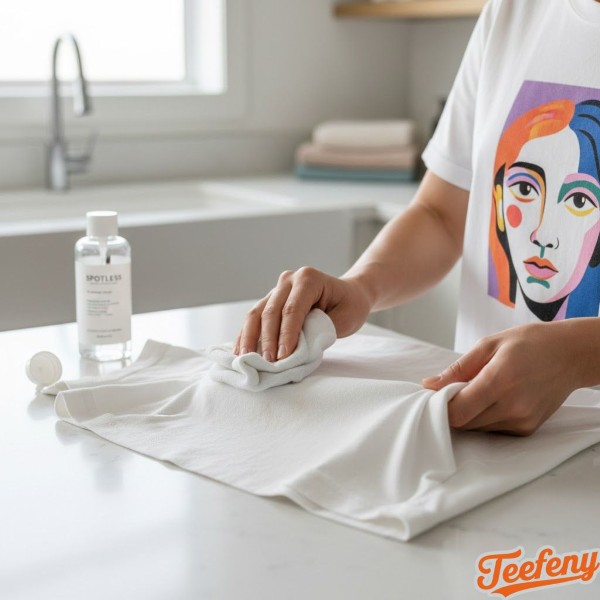
Inspect your graphic tees before washing and address any stains immediately. For best results when you need to remove stains from graphic tees without damaging print, avoid scrubbing directly on the design. Instead, gently dab stain remover on affected areas, working from the back of the fabric when possible.
For white graphic tees, hydrogen peroxide works effectively for stain removal. For colored shirts, a mixture of dish soap, baking soda, and hydrogen peroxide can tackle most stains without compromising the print quality.
Separate Your Laundry Properly

Wash your graphic tees separately from heavy items like jeans, towels, and hoodies. Heavy garments can twist, stretch, and damage delicate prints during the wash cycle. Proper sorting practices ensure that your graphic tees aren’t subjected to unnecessary wear and tear.
The Perfect Wash: Step-by-Step Guide
Now that you’ve prepared your graphic tees, it’s time to focus on the washing process itself. How you wash graphic tees directly impacts how long the prints remain vibrant and intact.
Water Temperature Matters

Always use cold water when washing printed shirts. Hot water is the enemy of graphic prints because heat breaks down both fabric fibers and the adhesive bonds in printed designs. Cold water washing prevents further cracking or peeling while also being more environmentally friendly and cost-effective.
Warm or hot water can cause colors to fade rapidly and prints to deteriorate prematurely. The cooler the water, the longer your graphics will last.
Select the Gentle Cycle

Choose your washing machine’s gentle or delicate cycle for care for graphic tees. These settings reduce agitation and minimize the battering that your shirts receive during washing. If your washing machine has an agitator (common in top-load washers), consider using a front-load machine or hand washing for your most precious vintage graphic tees.
The gentler washing machine settings recommended for uniforms and specialty garments apply equally well to graphic t-shirts.
Choose the Right Detergent for Prints
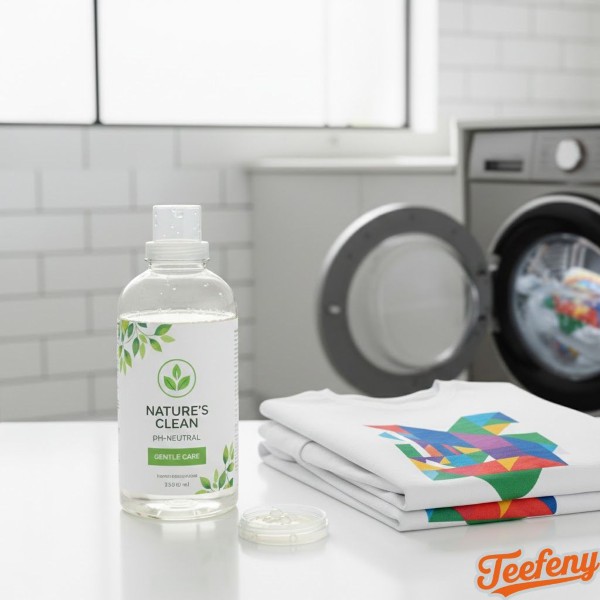
Your detergent choice significantly affects print longevity. Use mild, gentle detergents without bleach or harsh chemicals. Bleach and strong detergents dissolve the adhesive under graphics, causing them to crack, peel, or flake off.
Look for pH-neutral formulas with plant-based ingredients and laundry enzymes that naturally dissolve stains without damaging prints. Avoid fabric softeners entirely, as they leave residues that affect the adhesive bond in printed designs and can cause prints to deteriorate faster.
When determining the best detergent for washing graphic t-shirts, consider products specifically formulated for delicate fabrics or sensitive skin, as these tend to be gentler on prints while still effectively cleaning your garments.
Avoid Overloading the Machine
Properly distribute your graphic tees in the washing machine, ensuring enough room for them to move freely. Overloading causes uneven washing, excessive stretching, and wringing of your shirts. This unnecessary friction accelerates wear on both the fabric and the printed design.
Hand Washing: The Safest Method

For vintage graphic tees, heavily detailed prints, or your most cherished designs, hand washing offers the ultimate protection. While it requires more effort, this method gives you complete control over the washing process and minimizes risk.
How to Hand Wash Graphic Tees
Fill a clean basin or sink with cold water and add a small amount of mild detergent. Swirl the water gently to create suds. Turn your graphic tee inside out and submerge it in the soapy water, allowing it to soak for 15 to 30 minutes.
Gently massage the fabric with your fingers, avoiding any aggressive scrubbing on printed areas. When cleaning is complete, rinse thoroughly with cold water until all detergent is removed. Gently squeeze out excess water—never wring or twist the shirt, as this can damage both the fabric and the print.
Hand washing is particularly effective for how to wash vintage graphic tees, as older prints are often more delicate and require gentler handling.
Drying Techniques to Prevent Damage
How you dry your graphic tees is just as critical as how you wash them. The drying process presents numerous opportunities for damage if not handled correctly.
Air Drying: The Gold Standard

Air drying is unquestionably the best method for preserving graphic tee prints. Hang your shirts on plastic or padded hangers, or lay them flat on a clean, dry towel. Avoid hanging them in direct sunlight, as UV rays can cause colors to fade and prints to become brittle.
When air drying, ensure the shirt is in a well-ventilated area to prevent mildew. Turn the shirt occasionally to ensure even drying on both sides.
If You Must Use a Dryer
Sometimes air drying isn’t practical. If you must use a dryer, turn your graphic tees inside out and select the lowest heat setting available. Remove the shirts early, before the cycle completes, to minimize heat exposure. The less time your graphics spend in a hot dryer, the longer they’ll last.
High heat from dryers causes prints to crack, colors to fade, and graphics to peel. Many textile experts recommend avoiding dryers entirely for graphic tees to maximize shirt longevity.
Ironing and Steaming Considerations
Wrinkles happen, but how you remove them matters when dealing with printed designs.
Never Iron Directly on Graphics
Applying heat and pressure directly to prints causes significant damage. If you must iron your graphic tees, turn them inside out and use the coolest appropriate setting for the fabric. Place a thin cloth or pressing cloth between the iron and the design for additional protection.
Better yet, skip ironing altogether by removing shirts from the wash promptly and hanging them immediately to minimize wrinkles.
Steaming as an Alternative

Steaming offers a safer alternative to ironing for removing wrinkles from washing graphic tees inside out. Hang the tee inside out and use a steamer on the lowest temperature setting, keeping the steam nozzle several inches away from the fabric. This method relaxes fibers without direct heat contact that could damage prints.
Storage Best Practices

Proper storage between wears extends the life of your graphic tees and keeps prints in pristine condition.
Hanging vs. Folding
For most graphic tees, folding is preferable to hanging, as hangers can stretch the shoulder area and distort the shirt’s shape over time. When folding, ensure the graphic isn’t creased, as repeated folding in the same spot can lead to cracks, especially in heat transfer printed shirts.
If you prefer hanging, use wide, padded hangers that distribute weight evenly and won’t create stress points on the fabric.
Storage Environment
Store your graphic tees in a cool, dry place away from direct sunlight. UV exposure causes colors to fade even when the shirt isn’t being worn. Avoid storing them in damp areas like basements, as moisture can lead to mildew and fabric deterioration.
Understanding Print Lifespan and Longevity
Even with perfect care, graphic prints won’t last forever. Setting realistic expectations helps you maximize the time you have with your favorite designs.
How Long Do Graphic Tee Prints Last With Proper Care?
The answer depends on the print type and your care routine. Screen-printed tees with proper maintenance can last through 50-100+ wash cycles while maintaining their appearance. DTF prints, when cared for correctly, typically remain vibrant for 20-50 washes before showing signs of wear.
Heat transfer prints tend to have the shortest lifespan, especially if exposed to heat or harsh washing conditions. With meticulous care, you can extend their life significantly, but they’re inherently less durable than screen printing.
Signs Your Print Is Deteriorating
Watch for early warning signs of print damage, including slight fading of colors, small cracks appearing in the design, edges of the print beginning to lift or peel, and loss of vibrancy or detail. When you notice these signs, take extra care with that particular shirt—hand wash it, air dry only, and avoid any heat exposure.
Troubleshooting Common Problems
Even with careful washing, issues can arise. Here’s how to address common graphic tee problems.
Dealing With Existing Cracks or Peeling
Unfortunately, once a print has cracked or begun peeling, you cannot fully repair it. However, you can prevent further damage by washing the shirt inside out in cold water, air drying only, and avoiding any heat sources including irons and dryers. Some textile care experts suggest placing a thin cloth over cracked areas when ironing to flatten raised edges, but this only provides temporary improvement.
Fading Prevention Strategies
Washing in cold water is your best bet to keep colors from fading, according to laundry specialists. Additionally, turn garments inside out, use color-safe detergents formulated for dark or bright colors, wash less frequently when possible, and avoid prolonged sun exposure during drying.
At Teefeny, we’ve seen countless customers successfully preserve their favorite designs by implementing these fading prevention techniques from the first wash.
Addressing Stiffness in Prints
New graphic tees, especially those with DTF or heat transfer prints, may feel stiff initially. This softens naturally after a few gentle washes in cold water. Avoid the temptation to use fabric softeners, as these can actually damage the print’s adhesive bond over time.
Special Considerations for Different Fabrics
The fabric composition of your graphic tee influences how you should wash it to best preserve graphic tee prints.
Cotton Graphic Tees
100% cotton tees offer superior breathability and comfort but may shrink if not washed properly. Always use cold water and air dry cotton graphic tees to maintain their shape and size. Cotton works exceptionally well with screen printing, as the ink bonds deeply with the natural fibers.
Cotton-Polyester Blends
Blended fabrics combine cotton’s comfort with polyester’s durability and shape retention. These materials handle washing well but still require cold water washing to prevent the print from deteriorating. DTF printing works particularly well on cotton-polyester blends.
Performance Fabrics
Athletic or moisture-wicking graphic tees need special attention. These synthetic fabrics can handle gentle washing but are sensitive to high heat. Always air dry performance fabrics to maintain their technical properties and protect printed designs.
Creating a Sustainable Graphic Tee Care Routine
Extending the life of your graphic tees isn’t just about preserving your investment—it’s also about sustainability. By learning how to wash graphic tees without fading or damage, you reduce waste and minimize environmental impact.
Wash Less Frequently
Graphic tees don’t need washing after every single wear unless they’re visibly soiled or smell. Spot clean minor issues and air out your shirts between wears. This reduces wear and tear from washing while also saving water and energy.
Use Cold Water Consistently
Cold water washing uses significantly less energy than hot water cycles, reducing your environmental footprint while protecting your prints. Modern detergents work effectively in cold water, making this an easy switch that benefits both your clothes and the planet.
Invest in Quality Detergents
Higher-quality, concentrated detergents may cost more initially but require smaller amounts per load and often work better at preserving delicate fabrics and prints. This proves more economical and environmentally friendly in the long run.
The Teefeny Commitment to Quality
At Teefeny, we believe that great graphic tees deserve great care. Our products are designed with durability in mind, but even the highest-quality prints need proper maintenance to reach their full potential. We encourage our customers to learn more about proper t-shirt care through our comprehensive resources and guides.
Every graphic tee we create undergoes rigorous quality testing to ensure the prints can withstand regular wear and washing when cared for correctly. By following these washing guidelines, you’re not just protecting your Teefeny tees—you’re honoring the artistry and craftsmanship that went into creating them.
Frequently Asked Questions
How to wash graphic tees so they don’t fade?
To prevent fading when you wash graphic tees, always use cold water and turn the shirts inside out before washing. Select a gentle cycle and use mild detergent without bleach or harsh chemicals. Air dry your shirts away from direct sunlight, as UV rays can cause additional fading. Washing less frequently and using detergents specifically formulated for color protection can further minimize fading over time.
How to wash a shirt without ruining the print?
The key to washing a shirt without ruining the print is to minimize heat, friction, and chemical exposure. Turn the shirt inside out, wash in cold water on a gentle cycle, and use pH-neutral detergent. Avoid fabric softeners entirely. Never put printed shirts in a hot dryer—air drying is always the safest option. If you must use a dryer, use the lowest heat setting and remove the shirt while it’s still slightly damp.
How to preserve graphic tees?
Preserving graphic tees requires consistent care throughout their lifetime. Always wash graphic tees inside out in cold water, air dry whenever possible, and store them away from direct sunlight. Avoid overloading your washing machine, skip fabric softeners, and never iron directly on prints. For vintage or particularly valuable graphic tees, consider hand washing as the ultimate preservation method.
How to prevent graphic tees from fading?
Preventing graphic tees from fading involves several strategies. Use cold water exclusively for washing, as heat accelerates color loss. Turn shirts inside out to protect prints from direct friction and agitation. Choose gentle detergents without bleach, and consider color-safe or dark-colored fabric detergents. Air dry your shirts in the shade rather than direct sunlight, and wash less frequently when possible. Proper storage away from light also helps maintain color vibrancy between wears.
Can you put graphic tees in the dryer?
While you technically can put graphic tees in the dryer, it’s not recommended if you want to maximize print longevity. High heat causes graphics to crack, peel, and fade prematurely. If you must use a dryer, turn shirts inside out, select the lowest heat setting, and remove them before the cycle completes. However, air drying remains the best practice for preserving print quality and ensuring your graphic tees last as long as possible.
What temperature should I use to wash graphic shirts?
Always wash graphic shirts in cold water, which is typically around 60-80°F (15-27°C). Cold water prevents the breakdown of fabric fibers and print adhesives, reduces color bleeding and fading, and saves energy. Even warm water can accelerate print deterioration, so making cold water your standard practice will significantly extend the life of your graphic tees.
How often should I wash my graphic tees?
Graphic tees don’t need washing after every wear. Unless visibly soiled, sweaty, or odorous, you can wear a graphic tee 2-3 times before washing. This reduces wear and tear from the washing process and extends the overall lifespan of both the fabric and the print. When not washing, air out your tees between wears by hanging them in a well-ventilated area.
Are mesh laundry bags helpful for washing graphic tees?
Yes, mesh laundry bags provide an additional layer of protection for graphic tees. They reduce friction with other garments and the washing machine drum, prevent tangling and stretching, and are especially useful when washing multiple graphic tees together. Choose bags large enough to allow adequate water circulation while still providing protection. This is an excellent investment for anyone serious about preserving their graphic tee collection.
Summary Table: Essential Graphic Tee Care Guidelines
| Care Aspect | Best Practice | Why It Matters | Avoid |
|---|---|---|---|
| Water Temperature | Cold water (60-80°F) | Prevents fiber and adhesive breakdown | Hot or warm water |
| Washing Cycle | Gentle/delicate cycle | Reduces agitation and friction | Heavy-duty or high-spin cycles |
| Preparation | Turn inside out | Protects print from direct contact | Washing right-side out |
| Detergent | Mild, pH-neutral formula | Cleans without damaging prints | Bleach, fabric softeners |
| Drying Method | Air dry in shade | Eliminates heat damage | High-heat dryer settings |
| Ironing | Inside out, low heat with cloth | Prevents direct heat damage | Direct ironing on prints |
| Storage | Folded, cool, dry place | Prevents stress and fading | Direct sunlight, dampness |
| Wash Frequency | Only when necessary (every 2-3 wears) | Reduces overall wear | Washing after every wear |
| Load Size | Adequate space for movement | Prevents excessive friction | Overloading the machine |
| Stain Treatment | Gentle dabbing from fabric back | Protects print surface | Aggressive scrubbing on print |
Conclusion
Learning how to wash graphic tees properly transforms them from temporary fashion pieces into lasting wardrobe staples. By implementing these techniques—from cold water washing and air drying to proper storage and gentle detergent selection—you can dramatically extend the life of your graphic t-shirt care routine and keep your favorite designs looking vibrant for years to come.
Remember that graphic tee maintenance isn’t complicated; it simply requires consistency and attention to detail. Every time you turn a shirt inside out or choose cold water over hot, you’re making a choice that preserves the print quality and honors the design you loved enough to purchase.
Whether you’re caring for vintage concert tees, modern artistic designs, or performance athletic wear, these principles of washing printed shirts apply universally. Start implementing these practices today, and you’ll enjoy your graphic tees longer while reducing waste and getting the most value from your investment.
Your graphic tees are more than just clothing—they’re expressions of your personality, memories of experiences, and sometimes even pieces of art. They deserve care that matches their significance. With these comprehensive guidelines, you now have everything you need to keep your collection looking its best, wash after wash.
Related Posts: