
How to Wash Delicate T-Shirts Without Damage

Dec
Your favorite t-shirts deserve more than just being tossed into the washer with everything else. Whether it’s a vintage concert tee, a limited-edition graphic shirt, or a premium cotton piece from Teefeny, learning how to wash delicate t-shirts properly can extend their lifespan and preserve their original appearance for years to come.
From our experience working with customers at Teefeny, we’ve seen countless beloved shirts ruined by simple washing mistakes—faded graphics, stretched necklines, and shrunken fits. Here’s the part most people don’t realize: the way you wash delicate t-shirts matters more than the quality of the shirt itself. Even the finest fabrics can deteriorate quickly without proper care.
Understanding Delicate T-Shirt Fabrics
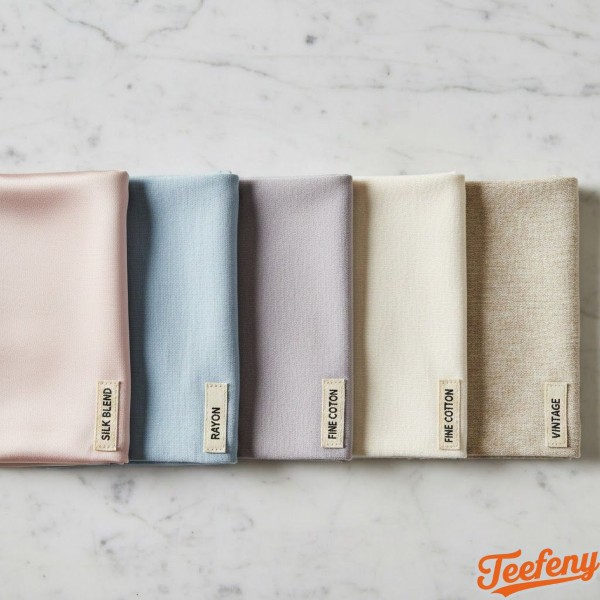
When you wash delicate t-shirts, you’re dealing with fabrics that require gentle handling. Delicate t-shirts aren’t just expensive or designer pieces. Any t-shirt made from sensitive materials or featuring special details requires careful attention. Common delicate materials include silk blends, rayon, modal, fine cotton knits, vintage fabrics, and garments with screen-printed designs or embellishments.
The key challenge when you wash delicate t-shirts is fighting against friction, heat, and harsh chemicals—all of which can damage fibers and cause premature wear. Success lies in minimizing these damaging forces while still achieving a thorough clean.
Reading Care Labels: Your First Line of Defense
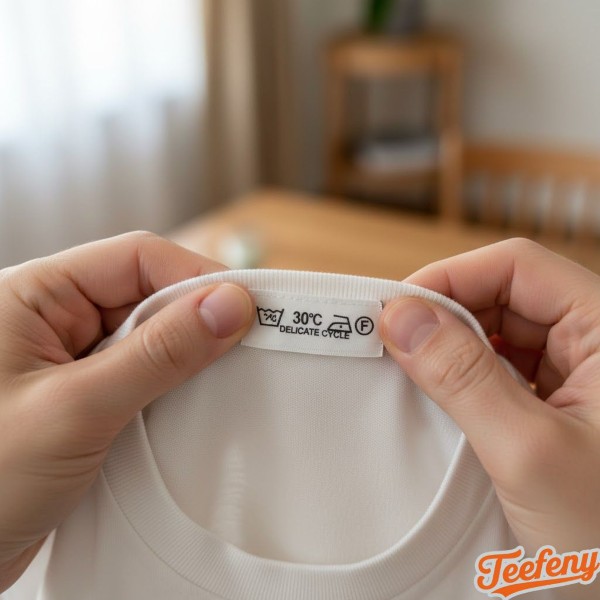
Before you wash delicate t-shirts for the first time, always check the care label inside the garment. According to the Federal Trade Commission’s Care Labeling Rule, these labels provide manufacturer-specific instructions that should never be ignored.
Look for symbols indicating water temperature, washing method, and drying instructions. A hand wash symbol means the fabric is particularly sensitive, while a delicate cycle symbol suggests machine washing is acceptable with precautions. Understanding these symbols helps you wash delicate t-shirts correctly every time.
At Teefeny, we always recommend erring on the side of gentleness. If you’re unsure about a care instruction when you wash delicate t-shirts, choose the most delicate option available.
Sorting and Preparing Delicate T-Shirts

Proper preparation is essential when you wash delicate clothes. Start by sorting your t-shirts by color—whites, lights, and darks should always be separated to prevent color bleeding and maintain vibrancy when you wash delicate t-shirts.
Turn your t-shirts inside out before washing. This single step significantly reduces friction on the outer surface, protecting prints, graphics, and the fabric’s face from direct agitation. For t-shirts with buttons, zippers, or embellishments, fasten them before you wash delicate t-shirts to prevent snagging.
Here’s where things get tricky: never overload your washing machine when you wash delicate t-shirts. Fill the drum only one-third full to allow proper water circulation and minimize fabric-to-fabric friction. Most people cram in as many clothes as possible, but this aggressive approach causes unnecessary wear on delicate materials.
How to Hand Wash T-Shirts: The Gentlest Method
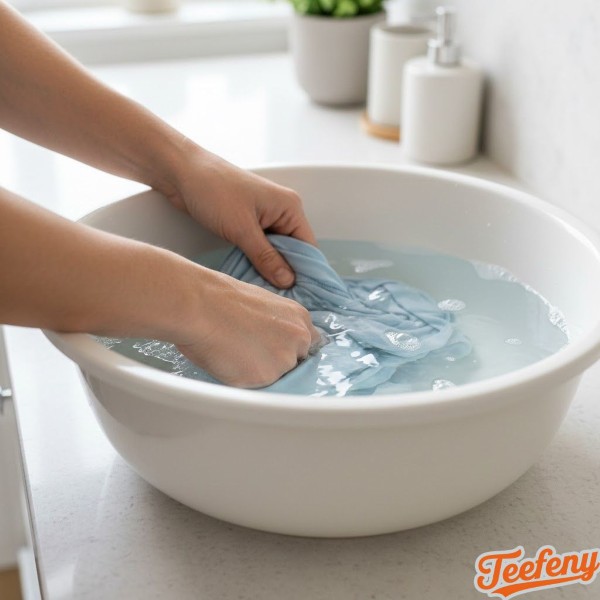
Hand washing remains the best way to wash delicate t-shirts by hand, offering complete control over every aspect of the cleaning process. When you hand wash delicate t-shirts, you eliminate the mechanical stress of machine washing entirely.
Step 1: Prepare Your Washing Basin
Fill a clean sink or basin with cool to lukewarm water. The water temperature should feel comfortable to your hands—never hot. According to Whirlpool’s research, when you wash delicate t-shirts, fabrics should be cleaned in water between 65-75°F (18-24°C).
Step 2: Add Mild Detergent
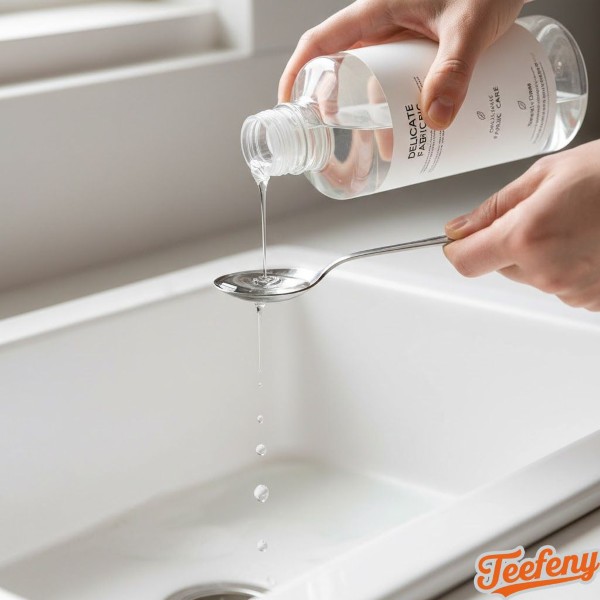
Use approximately one teaspoon of mild detergent specifically formulated for delicate fabric care. Gently swirl the water to dissolve the detergent completely before you wash delicate t-shirts. Avoid using regular laundry detergent, as it often contains harsh chemicals and enzymes that can damage sensitive fibers.
Step 3: Wash Gently
Submerge your t-shirts completely and gently agitate them by moving them back and forth in the water. When you wash delicate t-shirts, never scrub, twist, or wring delicate materials—these actions stretch fibers and distort the garment’s shape. Allow the shirts to soak for 10-15 minutes if they’re lightly soiled, or up to 30 minutes for heavier soiling.
Step 4: Rinse Thoroughly
Drain the soapy water and refill the basin with clean, cool water. Gently swish the t-shirts to remove all detergent residue when you wash delicate t-shirts. You may need to rinse 2-3 times until the water runs clear and no soap remains.
Step 5: Remove Excess Water
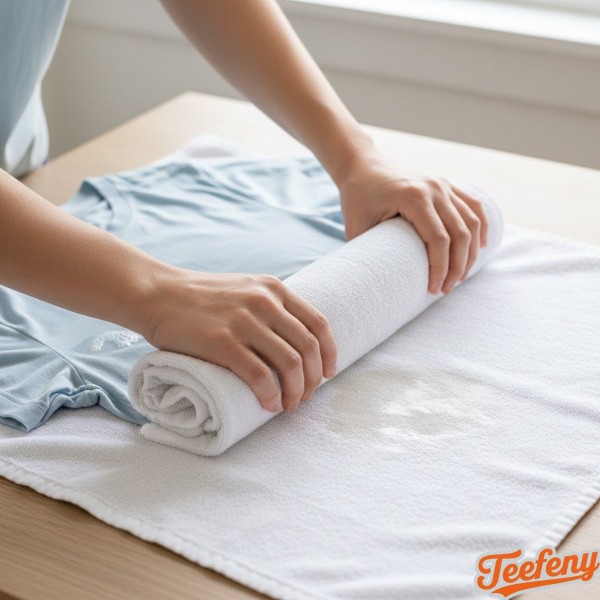
Never wring out delicate t-shirts. Instead, gently press the water out by squeezing the fabric between your hands. For even better results when you wash delicate t-shirts, lay the t-shirt flat on a clean, absorbent towel, roll it up like a sleeping bag, and press gently to absorb moisture.
Machine Washing Delicate T-Shirts: Safe Practices
While hand washing is ideal, modern life doesn’t always allow for this time-intensive method. Fortunately, you can wash delicate t-shirts in a machine by following these guidelines for gentle cycle washing.
Choosing the Right Washing Machine Settings

Select the delicate cycle or gentle cycle washing setting on your machine. These cycles use slower agitation speeds and shorter wash times specifically designed for delicate fabric care. When you wash delicate t-shirts on the delicate cycle, it typically runs for 45 minutes to an hour and twenty minutes, using minimal mechanical action to clean your garments.
Set your machine to a cold water wash. Hot water causes shrinkage prevention issues and accelerates color fading in delicate materials. Cold water temperatures between 60-80°F (15-27°C) clean effectively while protecting fabric integrity when you wash delicate t-shirts, as noted by GE Appliances research.
Using Mesh Laundry Bags
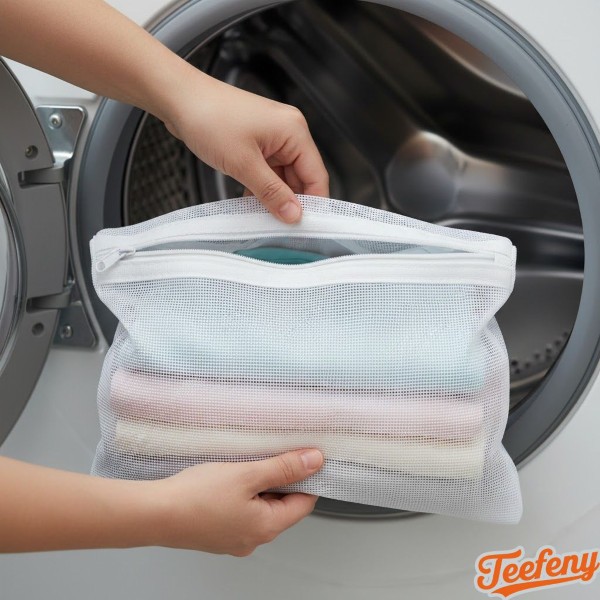
Protect your garments by placing them inside a mesh laundry bag before you wash delicate t-shirts in the machine. These inexpensive bags create a protective barrier that prevents tangling, stretching, and friction damage during the wash cycle.
From our experience at Teefeny, mesh bags are particularly crucial when you wash delicate t-shirts with graphics, embroidery, or appliqués. The bag keeps these embellishments from catching on other garments or the machine’s agitator.
Selecting the Right Detergent
Choose a mild detergent formulated for delicate fabric care when you wash delicate t-shirts—avoid products with bleach, optical brighteners, or heavy fragrances. These aggressive additives weaken fibers and cause premature fading. Liquid detergents generally work better than powder formulas for delicate fabric care, as they dissolve more completely in cold water and leave less residue.
How to Prevent Damage When Washing Delicate Shirts
Understanding common washing mistakes helps you avoid them when you wash delicate t-shirts. Here are specific strategies to prevent damage when washing delicate shirts:
Skip the fabric softener: Despite popular belief, fabric softener actually harms delicate materials by coating fibers and reducing breathability. For soft t-shirts when you wash delicate t-shirts, proper detergent selection and air drying work far better than fabric softener.
Minimize wash frequency: Not every wear requires a wash. Unless your t-shirt is visibly soiled or odorous, you can wear delicate t-shirts 2-3 times before you wash delicate t-shirts. This reduces cumulative wear from repeated cleaning cycles.
Avoid harsh stain treatments: When treating stains before you wash delicate t-shirts, use gentle, pH-neutral stain removers. Apply the product directly to the stain, let it sit for 5-10 minutes, then gently blot—never rub—before washing.
Monitor water hardness: Hard water minerals can accumulate in fabric fibers, making them stiff and prone to damage. If you have hard water when you wash delicate t-shirts, consider using a water softener or selecting detergents formulated for hard water conditions.
Temperature Guidelines: 30 vs. 40 Degrees
A common question we hear at Teefeny concerns water temperature selection when you wash delicate t-shirts. Is 40 degrees a delicate wash? The answer depends on your measurement system and fabric type.
In Celsius, 40°C (104°F) represents a warm wash suitable for moderately soiled items but potentially too hot for truly delicate fabrics. When you wash delicate t-shirts, 30°C (86°F) provides a safer choice that cleans effectively while minimizing shrinkage and color fading risks.
In reality, most people overlook the fact that modern detergents work exceptionally well in cold water when you wash delicate t-shirts. You don’t need hot water to achieve clean clothes—the surfactants in today’s formulas activate and function efficiently even at 15-20°C (59-68°F).
According to research published by Whirlpool, when you wash delicate t-shirts in temperatures between 65-75°F, you’ll achieve optimal cleaning while protecting fabric integrity.
How to Wash Delicate T-Shirts Without Shrinking

Shrinkage prevention ranks among the top concerns when learning how to wash delicate t-shirts without shrinking. Shrinkage occurs when heat and agitation cause fabric fibers to contract and tighten during the washing process.
Always use cold water: Hot water is the primary culprit behind t-shirt shrinkage. Cotton and cotton-blend fabrics are particularly susceptible to heat-induced shrinkage. When you wash delicate t-shirts, stick to cold water exclusively for delicate materials.
Avoid hot dryers: High heat in the dryer causes even more shrinkage than hot water. Air drying eliminates this risk entirely, making it the preferred drying method when you wash delicate t-shirts.
Check fabric composition: Natural fibers like cotton, wool, and linen shrink more readily than synthetic materials. When you wash delicate t-shirts made from blended fabrics, they offer some shrinkage resistance, but still require careful temperature management.
Pre-shrink if possible: Some manufacturers pre-shrink fabrics before construction, reducing future shrinkage potential. Check product descriptions or care labels for this information before you wash delicate t-shirts.
How to Keep Delicate T-Shirts From Fading in the Wash
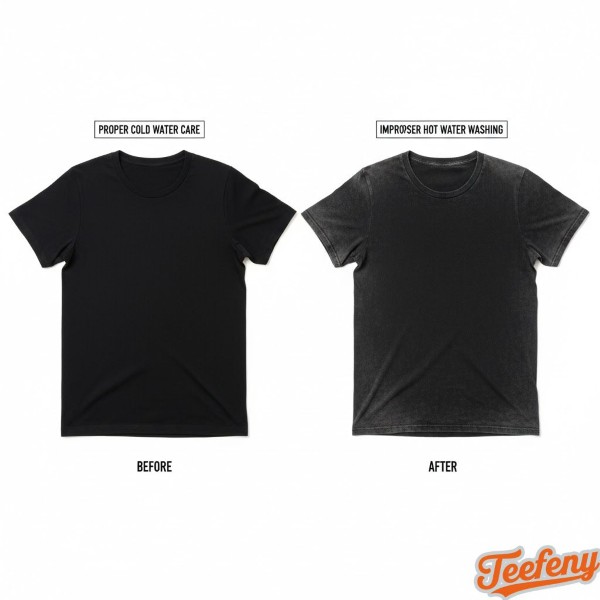
Color fading diminishes your t-shirt’s visual appeal and signals fiber damage. Here’s how to keep delicate t-shirts from fading in the wash:
Wash in cold water exclusively: Cold water prevents dye molecules from releasing from fabric fibers when you wash delicate t-shirts. According to garment care research, cold water washing is the single most effective strategy for color preservation.
Use color-safe detergents: Select detergents marketed as “color safe” or “for darks and colors” when you wash delicate t-shirts. These formulas exclude bleaching agents and contain color-retention technology that locks dyes into fabric fibers.
Minimize sun exposure: While not directly related to how you wash delicate t-shirts, UV rays cause significant fading. Air dry your t-shirts away from direct sunlight to maintain vibrant colors.
Reduce wash frequency: Every time you wash delicate t-shirts, the cycle exposes dyes to water, detergent, and mechanical action—all of which contribute to gradual fading. Washing less frequently naturally extends color life.
Turn garments inside out: This simple step shields the colored outer surface from direct friction and detergent contact when you wash delicate t-shirts, slowing the fading process significantly.
Proper Drying Techniques for Delicate T-Shirts
How you dry your t-shirts matters as much as how you wash delicate t-shirts. Improper drying causes shrinkage, stretching, and fabric damage that can undo all your careful washing efforts.
Air Drying: The Gold Standard

Air drying represents the safest drying method after you wash delicate t-shirts. Lay shirts flat on a clean, dry towel or drying rack, reshaping them to their original dimensions while still damp. This technique prevents stretching from hanging and eliminates heat-related shrinkage risks.
Avoid hanging delicate t-shirts by the shoulders, as the weight of water causes stretching and distortion, particularly around the neckline and shoulders. If you must hang dry after you wash delicate t-shirts, use wide, padded hangers that distribute weight evenly.
For faster air drying without damage when you wash delicate t-shirts, place shirts near (but not directly in front of) a fan or in a well-ventilated room. Natural air circulation speeds evaporation without introducing heat.
Machine Drying: Proceed With Caution
If you must use a dryer after you wash delicate t-shirts, select the lowest heat setting available—ideally an “air fluff” or “delicate” cycle. Remove t-shirts while they’re still slightly damp to prevent over-drying, which makes fabrics brittle and prone to damage.
Never use high heat when drying after you wash delicate t-shirts. The intense temperature causes irreversible shrinkage, sets wrinkles permanently, and accelerates fiber breakdown. Many dryer-related t-shirt disasters could be prevented simply by choosing a lower temperature setting.
Consider using wool dryer balls instead of dryer sheets. These reusable balls reduce drying time by improving air circulation, and they don’t leave the chemical residue that dryer sheets deposit on delicate fabrics after you wash delicate t-shirts.
Can You Machine Wash Delicate T-Shirts Safely?
This question comes up constantly in our customer service conversations at Teefeny. The answer is yes—you can machine wash delicate t-shirts safely if you take appropriate precautions.
Modern washing machines offer delicate cycle options specifically designed for when you wash delicate t-shirts and other fragile fabrics. These cycles feature:
- Reduced agitation speeds
- Shorter wash times
- Colder water temperatures
- Gentler spin cycles
The key to success when you wash delicate t-shirts in a machine lies in proper preparation: sorting correctly, using mesh bags, selecting appropriate washing machine settings, and choosing mild detergents. When you combine these protective measures, machine washing becomes a viable option even for your most delicate t-shirts.
However, some t-shirts truly do require hand washing. Vintage fabrics, severely damaged materials, heavily embellished garments, and items labeled “hand wash only” should never go in the washing machine when you wash delicate t-shirts, regardless of how gentle the cycle.
Special Considerations for Graphic and Printed T-Shirts
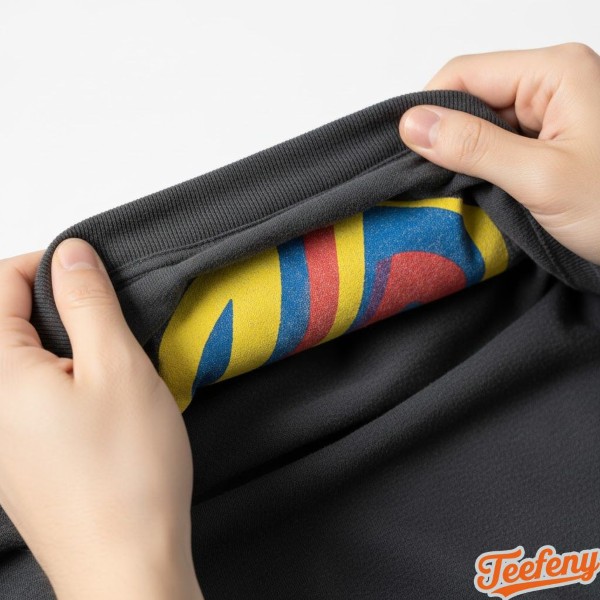
Graphic t-shirts with screen-printed designs require extra attention when you wash delicate t-shirts. The ink used in screen printing can crack, peel, or fade when exposed to harsh washing conditions.
Always turn printed t-shirts inside out before you wash delicate t-shirts. This protects the printed surface from direct friction and detergent contact. Use cold water exclusively—heat accelerates ink breakdown and causes graphics to crack when you wash delicate t-shirts.
Avoid fabric softener on printed t-shirts entirely when you wash delicate t-shirts. The coating left by fabric softener interferes with ink adhesion, causing graphics to peel away from the fabric base prematurely.
Never iron directly on printed graphics after you wash delicate t-shirts. If you must iron a graphic t-shirt, place a thin cloth between the iron and the garment, and use the lowest heat setting possible. Better yet, hang the shirt in a steamy bathroom to naturally release wrinkles without direct heat exposure.
Storage and Between-Wash Care

Proper care extends beyond how you wash delicate t-shirts. How you store and handle t-shirts between washes significantly impacts their longevity.
Fold, don’t hang: Hanging stretches the fabric around the shoulders and neckline. Folding maintains the garment’s original shape better after you wash delicate t-shirts. Store folded t-shirts in drawers or on shelves where they won’t experience compression or weight stress.
Keep away from direct sunlight: UV exposure causes fading even when garments aren’t being worn. Store delicate t-shirts in closed drawers or cabinets away from windows after you wash delicate t-shirts.
Ensure complete dryness: Never store damp or partially dry t-shirts after you wash delicate t-shirts. Residual moisture promotes mildew growth and creates musty odors that are difficult to eliminate.
Avoid overcrowding: Compressed storage causes wrinkles and fabric stress. Leave enough space in drawers and closets for air circulation around stored garments after you wash delicate t-shirts.
At Teefeny, we’ve noticed that customers who implement proper storage practices after they wash delicate t-shirts extend their t-shirts’ wearable life by 2-3 years compared to those who don’t pay attention to these details.
Troubleshooting Common T-Shirt Washing Problems
Even with careful attention when you wash delicate t-shirts, problems sometimes occur. Here’s how to address common issues:
Stretched necklines: This usually results from hanging wet t-shirts or pulling them over your head incorrectly. To minimize further stretching, lay shirts flat to dry and gently stretch the neckline back to shape while damp after you wash delicate t-shirts.
Pilling: Small fabric balls form from friction during washing and wearing. Use a fabric shaver to remove pills, and reduce future pilling by washing inside out in mesh bags when you wash delicate t-shirts.
Lingering odors: If detergent alone doesn’t eliminate odors when you wash delicate t-shirts, pre-soak t-shirts in a solution of cool water and white vinegar (1/4 cup vinegar per gallon of water) for 30 minutes before washing.
Color bleeding: If dyes bleed when you wash delicate t-shirts, immediately rewash the affected garments in cold water with color-safe bleach. For future washes, always sort by color and consider using color-catcher sheets.
Set-in wrinkles: Prevention works better than treatment. Remove t-shirts from the washer immediately after the cycle ends when you wash delicate t-shirts, and shake them out before drying to prevent wrinkles from setting.
When to Seek Professional Cleaning
Some situations warrant professional dry cleaning rather than attempting to wash delicate t-shirts at home:
- Garments labeled “dry clean only”
- Vintage or antique t-shirts with fragile fabrics
- Heavily soiled items with oil-based stains
- Garments with complex embellishments or appliqués
- Silk or delicate blended fabrics you’re unsure how to handle
Professional cleaners have specialized equipment, solvents, and expertise that home washing can’t replicate. When in doubt about how to wash delicate t-shirts safely, the cost of professional cleaning is far less than replacing a beloved garment.
Environmental Considerations in Delicate Laundry Care
When you wash delicate t-shirts, the process impacts the environment through water consumption, energy use, and chemical release. Here are ways to minimize your environmental footprint:
Wash full loads: Maximize water and energy efficiency by washing full loads whenever possible. However, remember not to overload when you wash delicate t-shirts—find the balance between efficiency and proper care.
Choose eco-friendly detergents: Select biodegradable, phosphate-free detergents that minimize aquatic ecosystem damage when you wash delicate t-shirts. Many effective delicate-fabric detergents now come in environmentally responsible formulations.
Embrace cold water: Heating water accounts for about 90% of the energy used in washing clothes. Cold water washing dramatically reduces your carbon footprint while protecting your garments when you wash delicate t-shirts.
Air dry when possible: Dryers consume substantial energy. Air drying costs nothing, uses zero energy, and extends garment life when you wash delicate t-shirts—a triple win for your wallet and the environment.
For those looking to discover expert care and maintenance advice beyond basic washing techniques, exploring comprehensive care and maintenance resources can provide valuable insights into preserving all your wardrobe investments.
Creating a Delicate T-Shirt Washing Schedule
Establishing a routine helps maintain consistency when you wash delicate t-shirts:
Weekly assessment: Each week, assess which t-shirts genuinely need washing. Many can go another wear or two, reducing unnecessary washing cycles when you wash delicate t-shirts.
Designated delicate day: Set aside specific laundry days for delicate items. This prevents the temptation to throw delicate t-shirts in with regular loads for convenience when you wash delicate t-shirts.
Seasonal deep cleaning: Every season, give your entire t-shirt collection a thorough inspection. Address any developing issues like minor stains or loose threads before they become major problems that affect how you wash delicate t-shirts.
Rotation system: Rotate your t-shirts regularly rather than wearing the same few repeatedly. This distributes wear evenly across your collection and extends the life of each garment between times when you wash delicate t-shirts.
Summary: Key Takeaways for Washing Delicate T-Shirts

| Category | Best Practice | Why It Matters |
|---|---|---|
| Water Temperature | Use cold water (60-80°F / 15-27°C) when you wash delicate t-shirts | Prevents shrinkage and color fading |
| Washing Method | Hand wash or delicate cycle with mesh bag when you wash delicate t-shirts | Minimizes friction and mechanical stress |
| Detergent Selection | Mild, pH-neutral formulas without harsh additives | Protects fibers and prevents chemical damage |
| Drying Technique | Air dry flat or use lowest heat dryer setting | Eliminates heat-induced shrinkage and extends fabric life |
| Preparation | Turn inside out, sort by color, check care labels | Reduces friction on graphics and prevents color bleeding |
| Frequency | Wash only when necessary (every 2-3 wears) | Minimizes cumulative wear from repeated washing |
| Special Care | Avoid fabric softener, remove promptly after washing | Maintains fabric breathability and prevents wrinkles |
Frequently Asked Questions
How to wash t-shirts without ruining them?
To wash t-shirts without ruining them, always check care labels first, then turn shirts inside out before washing. When you wash delicate t-shirts, use cold water with mild detergent on a delicate cycle, and avoid overloading the machine. Air dry flat instead of using high heat, which causes shrinkage and damages fibers. Never wring out t-shirts or use fabric softener on delicate materials.
Is 40 degrees a delicate wash?
In Celsius, 40°C (104°F) is generally too warm for truly delicate fabrics when you wash delicate t-shirts. Most delicate items wash best at 30°C (86°F) or lower to prevent shrinkage and color fading. In Fahrenheit, 40°F would be extremely cold and ineffective for cleaning. For delicate t-shirts, aim for water temperatures between 60-80°F (15-27°C) for optimal results.
Should you wash t-shirts on delicate?
You should wash delicate t-shirts on delicate if they’re made from sensitive materials like rayon, silk blends, modal, or vintage fabrics. T-shirts with screen-printed graphics, embroidery, or embellishments also benefit from delicate cycle washing. However, standard cotton t-shirts without special features can typically handle normal wash cycles. Always check the care label for manufacturer recommendations.
Should I wash clothes at 30 or 40?
For when you wash delicate t-shirts, 30°C (86°F) is safer than 40°C (104°F). The cooler temperature minimizes shrinkage risk and better preserves color vibrancy. Modern detergents work effectively at lower temperatures, making 30°C sufficient for most cleaning needs. Reserve 40°C washing for moderately soiled items made from durable fabrics that can handle warmer water without damage.
How often should I wash delicate t-shirts?
When you wash delicate t-shirts, do so only when necessary—typically every 2-3 wears unless visibly soiled or odorous. Overwashing causes unnecessary wear and shortens garment life. Between washes, air out t-shirts to refresh them. If a shirt only has minor perspiration or light wear, spot cleaning specific areas can extend the time between times when you wash delicate t-shirts.
Can I use regular detergent on delicate t-shirts?
While you can use regular detergent on some delicate t-shirts, mild detergents formulated specifically for delicate fabrics work better when you wash delicate t-shirts. Regular detergents often contain harsh chemicals, enzymes, and brighteners that can damage sensitive fibers and cause colors to fade. Choose gentle, pH-neutral liquid detergents without bleach or heavy fragrances for best results on delicate materials.
What’s the difference between hand wash and delicate cycle?
Hand washing provides more control and generates less mechanical stress on fabrics than any machine cycle when you wash delicate t-shirts. The delicate cycle uses minimal agitation and slow spin speeds to approximate hand washing conditions. For extremely fragile items or heavily embellished garments, hand washing remains superior. However, the delicate cycle offers a time-saving alternative for moderately delicate t-shirts when used properly with mesh bags and cold water.
How do I remove wrinkles from delicate t-shirts without ironing?
After you wash delicate t-shirts, hang them in a steamy bathroom while showering—the moisture releases wrinkles naturally without direct heat. Alternatively, use a fabric steamer on the lowest setting, holding it several inches from the fabric. For minor wrinkles, lightly mist the shirt with water, reshape it, and lay flat to dry. Many wrinkles can be prevented by removing t-shirts from the washer immediately and shaking them out before drying.
Maintaining your delicate t-shirts doesn’t have to be complicated. By implementing these washing and care strategies, you’ll preserve the quality, color, and fit of your favorite shirts for years. Remember that proper garment care represents an investment in your wardrobe—time spent washing correctly saves money by extending the life of each piece.
Related Posts: