
How to Wash Black T-Shirts Without Fading

Dec
Black t-shirts are wardrobe essentials that never go out of style. They’re versatile, timeless, and effortlessly cool—until they start looking gray and worn. If you’ve ever pulled your favorite black tee from the wash only to find it’s lost its rich, deep color, you’re not alone. The good news? Learning how to wash black t-shirts without fading is easier than you think, and with the right techniques, you can keep your dark clothing looking brand new for years.
At Teefeny, we understand the value of quality garments and proper fabric care. Our commitment to helping customers maintain their clothing goes beyond providing premium t-shirts—we believe in empowering you with the knowledge to preserve your investment. This comprehensive guide will walk you through everything you need to know about washing dark clothing while maintaining that crisp, jet-black appearance.
Why Black T-Shirts Fade

Before diving into prevention strategies, it’s important to understand why fading happens in the first place. Black dye molecules break down over time due to several factors. The washing process itself causes friction between fabric fibers, which gradually strips away color. Hot water accelerates this breakdown by relaxing the fabric structure and releasing dye molecules more quickly.
Harsh detergents with strong cleaning agents or optical brighteners can also attack the dye bonds in cotton t-shirts. Additionally, the mechanical agitation in your washing machine, combined with extended wash cycles, contributes to premature color loss. Even drying methods play a significant role—high heat from dryers can cause fabric fibers to contract and release more dye, while direct sunlight contains UV rays that chemically alter dye molecules.
Understanding these factors is the first step in learning to wash black clothes effectively. Once you know what causes fading, you can take targeted action to prevent it.
Essential Steps to Wash Black T-Shirts Without Fading
Read the Care Label First

Always start by checking the care label on your black t-shirts. These labels provide manufacturer-specific instructions regarding water temperature, washing cycle, and drying methods. Some fabrics require special handling, and ignoring these guidelines can lead to irreversible damage. The care label is your first line of defense in preventing fading black shirts.
Sort Your Laundry Properly

Proper sorting is crucial when you wash black clothes. Create separate piles for whites, lights, and darks to prevent color bleeding and dye transfer. Your black t-shirts should be washed only with other dark-colored items like navy, charcoal, or deep purple garments.
Consider fabric weight as well. Heavy items like towels or denim can be abrasive to delicate cotton t-shirts, causing excessive friction that accelerates fading. Keep your black t-shirts with similarly weighted fabrics. According to research from Levi’s, washing less frequently can reduce energy use and fabric wear by up to 80%, so only wash your t-shirts when truly necessary.
Turn Garments Inside Out
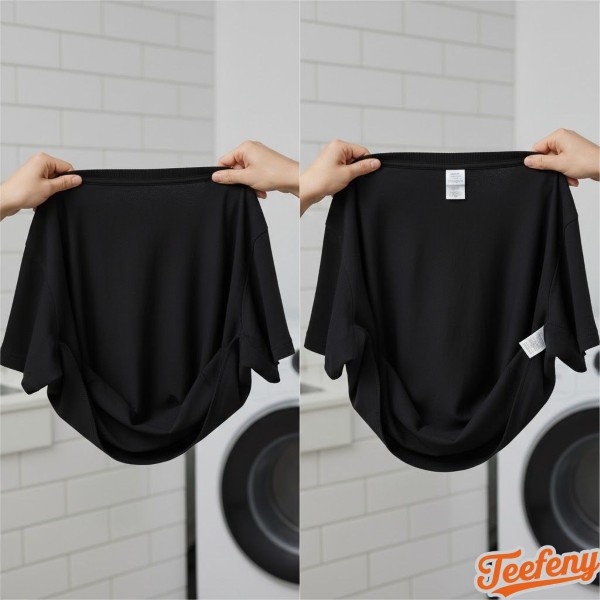
One of the simplest yet most effective ways to keep black shirts black is turning them inside out before washing. This protects the outer surface from direct contact with detergent and reduces friction against other garments during the wash cycle. The inside takes the brunt of the agitation while the outside maintains its rich color.
For extra protection, especially for premium t-shirts, consider placing them in a mesh laundry bag. This provides an additional barrier against abrasion from zippers, buttons, or rougher fabrics.
Use Cold Water Washing

Cold water washing is perhaps the single most important factor in how to keep black t-shirts from fading in the wash. Research shows that 90% of the energy used by washing machines goes toward heating water, so washing in cold not only preserves color but also reduces your environmental footprint and utility bills.
Hot water causes fabric fibers to expand and release dye molecules more readily. It also breaks down the molecular structure of the fabric itself, leading to faster wear. Cold water, on the other hand, keeps fibers tight and intact, locking in color. Modern detergents are specifically formulated with enzymes that activate effectively even in temperatures as low as 60°F, making cold water washing just as effective for cleaning as hot water in most cases.
When you wash black t-shirts without fading, always set your machine to the coldest temperature setting available. This simple change can dramatically extend the life and appearance of your dark clothing.
Select the Right Detergent

The detergent you choose plays a crucial role in color preservation. Look for liquid detergents specifically formulated for dark colors or labeled “color safe.” These products contain fewer harsh chemicals and lack optical brighteners that can dull black fabrics.
GE Appliances notes that modern detergents with specialized enzymes work effectively in cold water, making them ideal for washing dark clothing. Avoid powder detergents, as they don’t always dissolve completely in cold water and can leave visible residue on black fabrics.
Less is more when it comes to detergent for darks. Using too much creates excess suds that are difficult to rinse away, leaving a dulling film on your t-shirts. Follow the recommended dosage on the package, and when in doubt, use slightly less rather than more. Pre-measured laundry pods can help ensure you’re not overdosing your wash.
Never use bleach or detergents containing bleach alternatives on black t-shirts—this is a guaranteed way to cause severe fading or discoloration.
Choose the Gentle Cycle

Aggressive wash cycles with high spin speeds and intense agitation are enemies of dark fabric care. The gentle or delicate cycle uses lower spin speeds and less mechanical action, reducing the stress on fabric fibers that leads to color loss.
Shorter wash cycles also help prevent fading black shirts. Most black t-shirts don’t require extended washing unless they’re heavily soiled. A standard 30-45 minute cycle is typically sufficient. If your machine has a soil level setting, choose the light option for lightly worn t-shirts.
Avoid overloading your washing machine. Clothes need room to move freely for proper cleaning and to minimize excessive friction between items. A moderately loaded drum allows for better water circulation and gentler treatment of your garments.
Skip the Fabric Softener
While fabric softener might seem like a good idea for keeping clothes soft, it can actually contribute to fading over time. Fabric softeners coat fibers with a thin layer of chemicals that can dull the appearance of black dyes and even attract lint that makes dark clothing appear faded.
If you want softer t-shirts, consider using a small amount of white vinegar in the rinse cycle instead. Vinegar helps dissolve detergent residue without damaging dye molecules.
The Vinegar Secret to Prevent Color Loss

White vinegar is a surprisingly effective tool in your arsenal for how to prevent black shirts from turning gray. Adding vinegar during the rinse cycle serves multiple purposes in maintaining dark clothing.
The acetic acid in vinegar helps set fabric dyes by creating a slightly acidic environment that locks color into fibers. This natural mordant effect prevents dye molecules from washing out during subsequent laundry cycles. Vinegar also acts as a natural fabric softener by breaking down detergent residue that can make fabrics stiff and dull-looking.
To use vinegar for black clothes, add half a cup of distilled white vinegar to the rinse cycle. Don’t worry about your t-shirts smelling like vinegar—the scent completely dissipates during rinsing and drying. For new black t-shirts, you can pre-soak them in a mixture of cold water and one cup of vinegar for 30 minutes before their first wash. This initial treatment helps set the dye and provides extra protection against future fading.
While research on vinegar’s effectiveness is mixed, many laundry experts and consumers report positive results when using this method consistently. At Teefeny, we’ve seen firsthand how customers who incorporate vinegar into their washing routine maintain richer, deeper blacks in their t-shirts over time.
Proper Drying Techniques for Black T-Shirts
How you dry your black t-shirts is just as important as how you wash them. The drying process can either preserve or destroy all your careful washing efforts.
Air Drying Is Best

Air drying is the gold standard for maintaining black clothing. Heat from dryers causes fabric fibers to contract and release more dye molecules, accelerating fading significantly. High temperatures also break down the cotton t-shirts’ fiber structure, leading to a worn appearance.
Hang your black t-shirts on a drying rack or clothesline in a well-ventilated area away from direct sunlight. UV rays from the sun can bleach dark fabrics just as effectively as chemical bleach, so always dry indoors or in complete shade. Keep garments turned inside out while drying for additional protection.
Lay especially delicate or heavy t-shirts flat on a clean, dry towel to prevent stretching. This method works particularly well for cotton t-shirts that might lose their shape on hangers.
If You Must Use a Dryer
When air drying isn’t practical, you can minimize dryer damage by following these guidelines. Use the lowest heat setting or the air-dry/tumble-dry-no-heat option. Keep t-shirts turned inside out during drying. Remove clothes from the dryer while they’re still slightly damp to prevent over-drying, which exacerbates fading. Never over-dry black t-shirts, as this causes excessive shrinkage and color loss.
Clean your dryer’s lint filter before each load. A clogged filter reduces airflow, requiring longer drying times and higher temperatures that damage dark fabrics.
Additional Tips to Keep Black Shirts Black
Wash Less Frequently
Black t-shirts don’t need washing after every single wear unless they’re visibly soiled or odorous. Spot-cleaning minor stains and airing out garments between wears can significantly reduce the number of wash cycles, thereby extending the life of your dark clothing. Each wash cycle, no matter how gentle, causes some degree of color loss.
Hang worn t-shirts in a well-ventilated area for a few hours to let them air out. This simple practice refreshes fabrics and eliminates odors without the wear and tear of washing.
Treat Stains Carefully
When stains occur, address them promptly but gently. Scrape off any excess material first, then treat with a color-safe stain remover or a mixture of cold water and mild detergent. Gently dab the stain—never rub aggressively, as this can damage fibers and cause localized fading.
For blood or protein-based stains, always use cold water. Hot water sets these stains permanently. For oil-based stains, pre-treat with a small amount of dish soap before washing.
Store Black T-Shirts Properly
Proper storage helps maintain color between wears. Store your black t-shirts in a cool, dry place away from direct sunlight. Sunlight can fade fabrics even when they’re not being worn.
Fold t-shirts rather than hanging them to prevent stretching and maintain their shape. If you prefer hanging, use wide, padded hangers that distribute weight evenly across the shoulders.
Consider Using Salt for New T-Shirts
While scientific evidence is limited, some laundry experts suggest adding two tablespoons of salt to the wash water for new black t-shirts. The chloride in salt may help set dyes and prevent initial color bleeding. This old-fashioned technique has been passed down through generations and remains popular among those seeking to care for black t-shirts.
Avoid Excessive Sun Exposure
Even when you’re wearing your black t-shirts, prolonged sun exposure can cause fading. UV rays gradually break down dye molecules, causing that characteristic brownish tinge that develops in faded black clothing. While you can’t avoid the sun entirely, being mindful of extended outdoor exposure helps preserve your garments.
How Often Should You Wash Black T-Shirts?
The best way to wash black clothes without losing color is to wash them as infrequently as possible while maintaining proper hygiene. For t-shirts worn as outer layers with minimal physical activity, every 2-3 wears is typically sufficient. For t-shirts worn during exercise or in hot weather, wash after each wear. For t-shirts worn as undershirts, assess based on visible dirt and odor rather than a fixed schedule.
This approach to washing dark clothing balances cleanliness with fabric care, ensuring your black t-shirts maintain their appearance without sacrificing hygiene.
What Temperature Water for Washing Black Clothes?
Always use the coldest water setting available on your washing machine when you wash black t-shirts without fading. In most cases, this means selecting the “cold” or “tap cold” option, which typically ranges from 60-80°F depending on your geographic location and season.
Some modern washing machines offer a “cold wash” option specifically designed to enhance cleaning performance at low temperatures. These cycles may slightly adjust water temperature or extend washing time to compensate for the lack of heat. These cycles are excellent for dark fabric care.
Never wash black t-shirts in water above 80°F unless absolutely necessary for sanitization purposes (such as after illness). Even warm water, typically around 90-110°F, can cause noticeable color bleeding in dark clothing.
Restoring Faded Black T-Shirts
If your black t-shirts have already lost their deep color, don’t despair. Several methods can help restore faded black clothes:
Fabric Dye
The most effective restoration method is over-dyeing with fabric dye specifically formulated for cotton t-shirts or your garment’s material. Choose a dye labeled for dark or black fabrics and follow package instructions carefully. Always test on a small, inconspicuous area first. This process can bring severely faded t-shirts back to life.
Coffee or Black Tea
For mildly faded t-shirts, a natural refresh using coffee or black tea can help. Brew a strong pot of black coffee or tea (2 cups), let it cool to room temperature, and add it to a wash cycle with your faded t-shirts. The natural tannins provide a subtle color boost. This method works best as a temporary solution for slightly faded items.
Commercial Color Revivers
Several commercial products are designed specifically for refreshing dark colors. These products work by depositing a small amount of black dye during the wash cycle. While not as permanent as traditional dyeing, they can help maintain color between more intensive treatments.
The Environmental Benefits of Proper Black T-Shirt Care
Learning to wash black t-shirts without fading isn’t just about aesthetics—it’s also environmentally responsible. When you extend the life of your garments through proper care, you reduce textile waste. According to sustainable fashion advocates, washing cold reduces household carbon dioxide emissions by up to 1,600 pounds annually.
Additionally, washing less frequently conserves water and reduces microfiber pollution from synthetic fabrics. Each washing cycle releases tiny fibers into waterways, so minimizing washes directly benefits aquatic ecosystems.
At Teefeny, we’re committed to sustainability alongside quality. By teaching customers proper care for black t-shirts, we’re contributing to a more sustainable fashion industry where garments are valued and maintained rather than quickly discarded.
For more expert advice on garment care and maintenance, check out our full maintenance resource library where you’ll find additional tips for keeping all your clothing in pristine condition.
Common Mistakes That Cause Fading
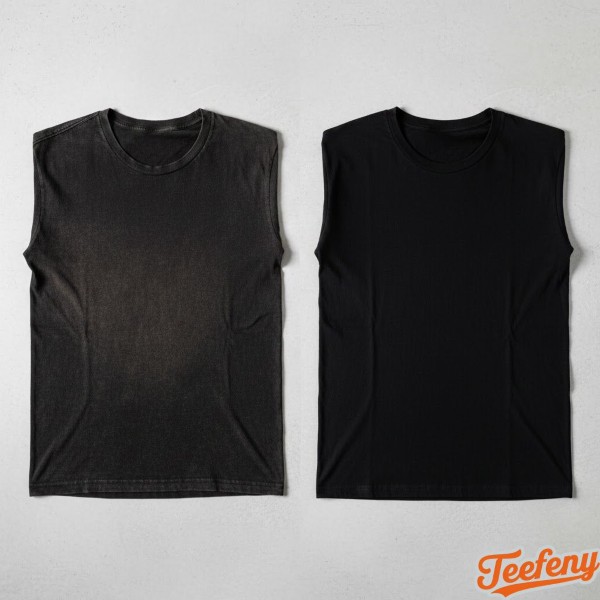
Using Too Much Detergent
Over-dosing detergent is one of the most common laundry mistakes. Excess detergent doesn’t rinse out completely, leaving a dulling residue on black fabrics. This buildup makes t-shirts appear gray and attracts dirt more quickly.
Washing With the Wrong Items
Mixing black t-shirts with abrasive fabrics like towels or with items that produce lint causes unnecessary wear. Similarly, washing new blue jeans with black t-shirts can transfer indigo dye, altering the true black color.
Ignoring the Spin Cycle
High-speed spin cycles create excessive agitation and friction. While they remove more water, they also cause more wear on fabric fibers. Reducing spin speed is a simple adjustment that provides significant benefits for color preservation.
Using Hot Water for Stains
Many people instinctively reach for hot water when dealing with stains on black t-shirts. However, hot water can set certain stains permanently while simultaneously causing color loss. Cold water washing is effective for most stains when combined with proper pre-treatment.
Understanding Different Fabric Types
While this guide focuses primarily on cotton t-shirts, it’s worth noting that different fabrics respond differently to washing:
Cotton t-shirts are the most common and respond well to cold water washing and gentle cycles. They benefit from vinegar rinses and air drying.
Cotton blends (cotton-polyester, cotton-rayon) require similar care but may be slightly more resistant to fading due to the synthetic fiber component.
Tri-blend fabrics (cotton-polyester-rayon) are increasingly popular and generally maintain color well when washed properly.
100% polyester black t-shirts are more colorfast than cotton but still benefit from cold water and gentle handling to prevent pilling and maintain texture.
Always adjust your washing strategy based on the specific fabric composition indicated on the care label.
Professional Care for Premium Black T-Shirts
For high-quality or particularly treasured black t-shirts, professional dry cleaning is an option. Dry cleaning uses chemical solvents instead of water, which can be gentler on certain fabrics and dyes. However, dry cleaning isn’t necessary for most cotton t-shirts and can be expensive when done regularly.
If you choose professional cleaning, select a cleaner experienced with dark fabrics and communicate your concerns about color preservation. Many cleaners offer specialized dark-garment cleaning services.
Frequently Asked Questions

How to wash a black shirt without fading it?
To wash black t-shirts without fading, turn them inside out, wash in cold water using a gentle cycle with liquid detergent formulated for dark colors, and air dry away from direct sunlight. Adding half a cup of white vinegar to the rinse cycle can help set the dye. Avoid overloading the machine and never use bleach or fabric softener on dark clothing. These simple steps preserve color while effectively cleaning your garments.
How to keep black clothes from fading in the wash?
Keep black clothes from fading by washing them less frequently, only with other dark items, in the coldest water possible. Use minimal detergent specifically designed for dark fabrics and select the gentle cycle. Turn garments inside out before washing and consider placing them in mesh laundry bags for extra protection. Air drying is always preferable to machine drying, but if you must use a dryer, choose the lowest heat setting and remove items while slightly damp.
Should I wash darks at 30 or 40?
You should wash darks at 30°C (approximately 86°F) or lower, which is the coldest setting on most machines. While 40°C (104°F) won’t cause immediate dramatic fading, it does accelerate color loss over time compared to cooler temperatures. Modern detergents work effectively at 30°C or below, making hot water unnecessary for most dark clothing. The temperature marking with one dot on care labels indicates 30°C, which is ideal for maintaining black t-shirts. If your garments aren’t heavily soiled, even colder water around 20°C (68°F) is sufficient and provides maximum color protection.
Does vinegar stop black clothes from fading?
Yes, vinegar can help stop black clothes from fading, though results vary depending on fabric type and dye quality. The acetic acid in white vinegar helps set dye molecules in fabric fibers, reducing color bleeding during washing. It also removes detergent residue that can dull colors. Add half a cup of white vinegar to the rinse cycle—the smell dissipates completely during drying. While scientific evidence is somewhat limited, many laundry experts and experienced consumers report that regular vinegar use helps maintain deeper, richer blacks in their clothing over time.
What’s the best detergent for keeping black clothes black?
The best detergent for keeping black clothes black is a liquid formula specifically designed for dark colors or labeled “color safe.” These detergents lack optical brighteners and harsh bleaching agents that strip dye from dark fabrics. Look for products that work effectively in cold water, as these contain enzymes designed to activate at lower temperatures. Avoid powder detergents, which may not dissolve completely in cold water and can leave visible residue on black clothing. Always use the recommended amount—using too much detergent causes buildup that dulls fabric colors.
How can I prevent black t-shirts from turning gray?
Prevent black t-shirts from turning gray by washing them inside out in cold water with color-safe detergent, using the gentle cycle, and air drying away from sunlight. The gray appearance often comes from a combination of dye loss, detergent residue, and lint from other fabrics. Washing black items separately from lint-producing fabrics like towels helps. Additionally, adding vinegar to the rinse cycle dissolves soap residue that can create a gray cast. Avoid over-drying in the dryer, as excessive heat breaks down fibers and accelerates the graying process.
Should you wash black t-shirts inside out?
Yes, you should always wash black t-shirts inside out. This simple step protects the colored outer surface from direct contact with detergent and reduces friction against other garments during the wash cycle. The inside of the garment absorbs most of the mechanical agitation, while the outside maintains its appearance. This is particularly important for t-shirts with screen printing or graphics, as turning inside out also protects decorative elements from cracking or peeling. For maximum protection, place inside-out t-shirts in mesh laundry bags before washing.
Can you restore faded black t-shirts?
Yes, you can restore faded black t-shirts through several methods. The most effective approach is using fabric dye specifically formulated for black clothing—follow package instructions carefully and test on a small area first. For mild fading, commercial color reviving products can provide a temporary boost by depositing small amounts of black dye during washing. Natural methods include adding strong black coffee or tea to a wash cycle, though results are subtle and temporary. Prevention through proper washing techniques is always more effective than restoration, so start good habits with new t-shirts to avoid severe fading.
Summary Table: Key Points for Washing Black T-Shirts
| Category | Recommendation | Why It Matters |
|---|---|---|
| Water Temperature | Always use cold water (60-80°F / 15-27°C) | Hot water causes dye molecules to release and fibers to break down, leading to rapid fading |
| Washing Cycle | Gentle or delicate cycle with low spin speed | Reduces mechanical agitation that strips color from fabric fibers |
| Detergent | Liquid, color-safe formula designed for darks | Prevents dulling from optical brighteners and residue buildup |
| Garment Preparation | Turn inside out and separate by color | Protects outer surface from friction and prevents dye transfer |
| Additives | Add 1/2 cup white vinegar to rinse cycle | Helps set dye and removes detergent residue without damaging fabric |
| Drying Method | Air dry indoors, away from direct sunlight | Eliminates heat damage and UV fading from sun exposure |
| Washing Frequency | Only when visibly soiled or odorous | Each wash cycle causes some color loss; minimize unnecessary washing |
| Items to Avoid | Bleach, fabric softener, hot water | These products and temperatures actively strip color and damage fibers |
| Load Size | Don’t overload; allow clothes to move freely | Prevents excessive friction and ensures proper cleaning |
| Storage | Cool, dry place away from sunlight | Protects color even when not being worn |
Conclusion
Maintaining the deep, rich black color in your t-shirts doesn’t require expensive products or complicated procedures. By following these straightforward guidelines on how to wash black t-shirts without fading, you can significantly extend the life and appearance of your dark clothing. The key principles—cold water washing, gentle cycles, proper detergent, and air drying—work together to preserve fabric integrity and color intensity.
At Teefeny, we’re passionate about helping our customers get the most value from their garments. Quality black t-shirts deserve quality care, and with these techniques, you can ensure your favorites stay looking fresh and dark for years to come. Remember, every small adjustment to your laundry routine makes a difference in color preservation.
Start implementing these strategies today, and you’ll notice that your black t-shirts maintain their original appearance much longer than before. Whether you’re washing a single treasured piece or managing an entire wardrobe of dark clothing, these principles of proper fabric care will serve you well. Your black t-shirts—and your wallet—will thank you for the extra care.
Related Posts: