
Cold Water vs Hot Water Best Way to Wash T-Shirts

Dec
When you pull your favorite t-shirt from the closet, you probably don’t think about the washing temperature that keeps it looking fresh. Yet the cold water vs hot water t-shirts debate affects more than just cleanliness—it impacts how long your garments last, how vibrant they remain, and even your monthly utility bills. Understanding cold water vs hot water t-shirts washing helps you make better laundry decisions.
From our experience working with customers at Teefeny, we’ve noticed that most people default to whatever temperature their washing machine was last set to, rarely questioning whether it’s the right choice. This simple oversight leads to premature fading, unexpected shrinkage, and t-shirts that look worn out long before their time. Here’s the part most people don’t realize: the temperature dial on your washing machine might be the most important setting you adjust all week. The cold water vs hot water t-shirts choice deserves more attention than it typically receives.
Understanding Water Temperature and Fabric Care

The cold water vs hot water t-shirts decision isn’t just about preference—it’s about science. Different washing temperatures trigger distinct reactions in fabric fibers, affecting everything from color retention to garment structure. When evaluating cold water vs hot water t-shirts washing methods, understanding these reactions becomes crucial.
How Temperature Affects T-Shirt Fibers
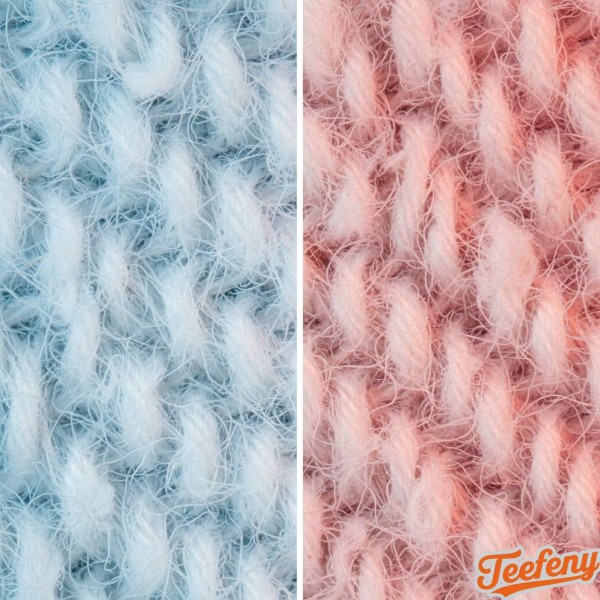
Cotton fibers, which make up most t-shirts, respond dramatically to heat. The cold water vs hot water t-shirts discussion centers on understanding fiber reactions. According to research published in the Textile Research Journal, washing cotton in water below 85°F can reduce shrinkage by up to 75% compared to hot water washing. This significant difference occurs because heat causes cotton fibers to contract and tighten, permanently altering the garment’s dimensions.
Modern detergents have evolved to work effectively in cold water thanks to advanced enzyme formulations. These enzymes activate at lower temperatures, breaking down stains and dirt without requiring the heat that damages fabric fibers. When considering washing clothes temperature, understanding these chemical reactions helps explain why cold water has become the default recommendation for most laundry loads.
The Science Behind Shrinkage Prevention

Understanding does cold water prevent t-shirt shrinking requires looking at fiber structure. Natural fibers like cotton are stretched during manufacturing, and exposure to heat during washing or drying causes them to return to their original, more compact state. This process, called relaxation shrinkage, is largely preventable with proper temperature control. The cold water vs hot water t-shirts choice directly affects this shrinkage phenomenon.
The best water temperature for laundry depends on balancing cleaning power with fabric preservation. Studies consistently show that temperatures below 85°F (approximately 30°C) maintain fiber structure while still removing everyday dirt and oils effectively.
Cold Water Washing: The Modern Standard
Cold water washing has transformed from an energy-saving suggestion into a fabric care essential. Let’s explore why should i wash t-shirts in cold or hot water leans heavily toward the cold side for most situations. The cold water vs hot water t-shirts comparison reveals compelling reasons to choose cooler temperatures.
Benefits of Washing T-Shirts in Cold Water
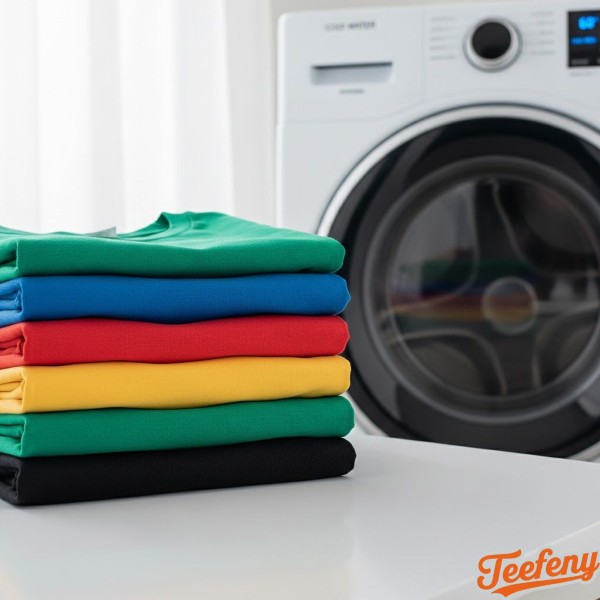
The advantages of cold water extend far beyond simple fabric care. When comparing cold water vs hot water t-shirts washing, the benefits become immediately apparent. Energy Star estimates that 90% of a washing machine’s energy consumption goes toward heating water. Switching from hot to cold water reduces energy use dramatically, translating to lower electricity bills and reduced environmental impact.
Color preservation represents another major benefit. Hot water opens fabric dye molecules, allowing colors to bleed and fade with each wash. Cold water keeps these molecules stable, maintaining the vibrant appearance of colored t-shirts wash after wash. This is particularly important for what temperature water is best for washing colored t-shirts—cold water protects those bright hues that make your favorite tees stand out. The cold water vs hot water t-shirts debate strongly favors cold water for color protection.
The clothing maintenance benefits compound over time. According to ARM & HAMMER laundry experts, cold water washing helps clothes last longer by reducing fiber breakdown, minimizing microfiber shedding, and preventing the accelerated aging that occurs with repeated exposure to heat.
When Cold Water Falls Short

This is where things get tricky. Cold water isn’t a universal solution, despite its many advantages. Heavily soiled items—those with ground-in dirt, grease, or oil-based stains—often require warmer temperatures to achieve thorough cleaning. The cold water vs hot water t-shirts debate includes these important exceptions. The best way to wash cotton t-shirts without fading involves knowing when to make exceptions.
If your tap water runs below 40°F during winter months, even cold-water-optimized detergents struggle to dissolve and activate properly. In these situations, lukewarm water (around 70-80°F) becomes necessary for effective cleaning without crossing into shrinkage territory. The cold water vs hot water t-shirts balance shifts slightly in extreme cold conditions.
Protein-based stains like blood and sweat actually respond better to cold water, as hot water can set these stains permanently. However, oily and greasy stains benefit from warm water’s ability to break down lipids more effectively.
Hot Water Washing: Power Cleaning with Risks
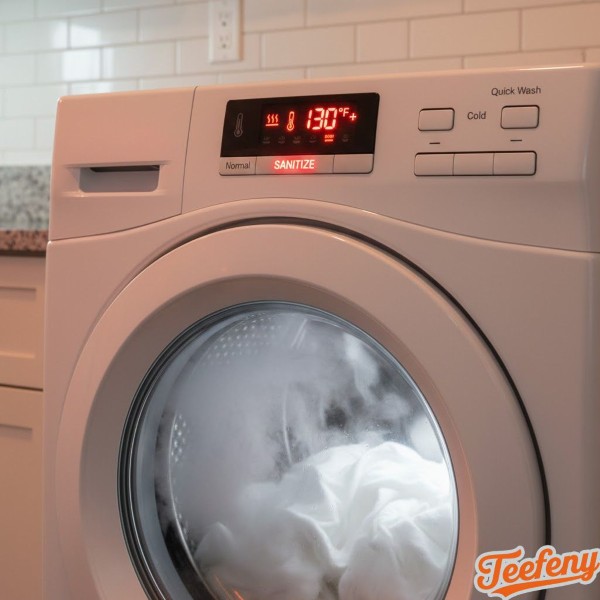
The cold water vs hot water t-shirts comparison wouldn’t be complete without examining when hot water makes sense and when it causes more harm than good. Understanding both sides of the cold water vs hot water t-shirts equation helps you make informed decisions.
When Hot Water Is Necessary
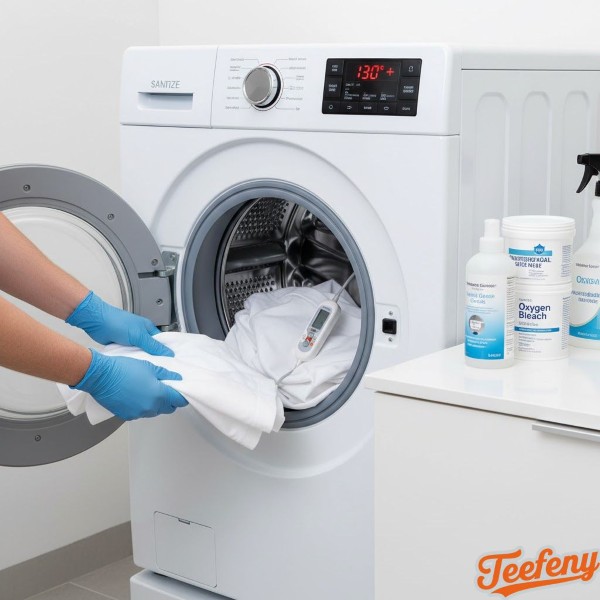
Hot water excels at sanitization and deep cleaning. Washing at 130°F or higher kills bacteria, viruses, and dust mites—essential when someone in your household is sick or for items like gym t-shirts that accumulate sweat and bacteria. According to laundry research from Clorox cleaning experts, hot water provides superior removal of body oils and allows detergents to reach their maximum effectiveness. However, even in these cases, the cold water vs hot water t-shirts consideration requires weighing cleanliness against fabric damage.
White cotton t-shirts can benefit from occasional hot water washing to combat dinginess and restore brightness. The heat helps detergent effectiveness by allowing chemical agents to work more efficiently against built-up residue and discoloration.
The Dangers of Hot Water for T-Shirts
Here’s what most people overlook when considering will hot water shrink my t-shirts: the damage occurs progressively. Your t-shirt might survive one hot wash, but repeated exposure causes cumulative shrinkage. Testing by Select Printing found that cotton t-shirts washed in hot water showed shrinkage ranging from 2% to over 10%, depending on fabric construction and cotton content.
Hot water accelerates color fading by opening dye molecules and allowing them to escape from fabric fibers. This explains why that black t-shirt you’ve been hot-washing gradually turns gray. The fabric care principle is simple: higher temperatures equal faster degradation. When analyzing cold water vs hot water t-shirts for color retention, cold water wins every time.
Beyond shrinkage and fading, hot water increases microfiber shedding. These microscopic plastic particles from synthetic fabrics enter waterways and ecosystems. According to research published by Earth911, cold water washing reduces microfiber shedding by up to 30% compared to hot water washing. This significant reduction helps combat plastic pollution in waterways and protects marine ecosystems.
Optimal Washing Strategies by T-Shirt Type
The cold water vs hot water t-shirts debate becomes more nuanced when you consider specific fabric types and garment characteristics. Different materials require different approaches for optimal clothing maintenance. Each fabric type responds differently in the cold water vs hot water t-shirts washing scenario.
Cotton T-Shirts
Pure cotton t-shirts represent the majority of casual wardrobes. For these garments, cold to lukewarm water (60-80°F) provides the best balance. When considering cold water vs hot water t-shirts made from cotton, cold water consistently wins. The best way to wash cotton t-shirts without fading involves several techniques:
- Turn t-shirts inside out to reduce abrasion on the exterior surface
- Use liquid detergent formulated for cold water
- Avoid overloading the washing machine to prevent excessive friction
- Select gentle or delicate cycle settings to minimize mechanical stress
Pre-shrunk cotton offers more stability but still benefits from cold water washing. Even garments labeled as pre-shrunk can experience additional shrinkage when exposed to heat repeatedly. In reality, most people overlook the “pre-shrunk” label and assume complete protection—this is a misconception that leads to disappointment. The cold water vs hot water t-shirts strategy remains important even for pre-shrunk garments.
Blended Fabrics
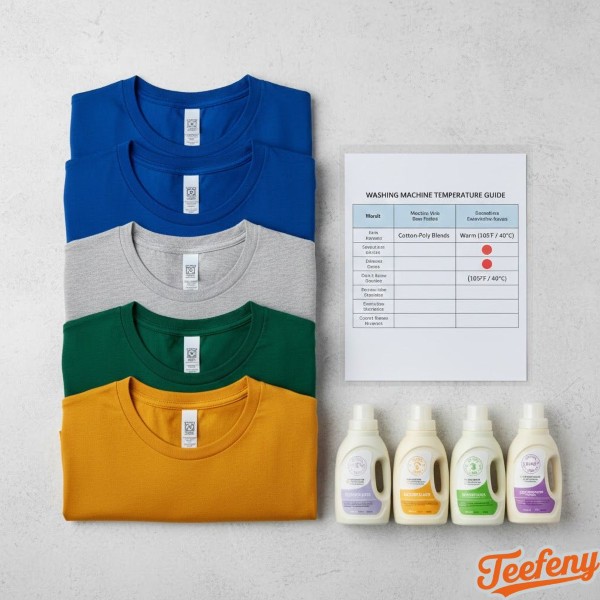
Cotton-polyester blends are increasingly popular for their wrinkle resistance and durability. These fabrics tolerate warm water (around 90-100°F) better than pure cotton, but cold water still extends their lifespan. The cold water vs hot water t-shirts decision for blends requires understanding both fiber types. The synthetic fibers provide some shrinkage resistance, though the cotton content remains vulnerable to heat damage.
When washing polyester blends, energy efficiency washing becomes particularly advantageous because these fabrics release microplastics during laundering. Lower temperatures reduce this environmental impact while still achieving clean results.
Graphic and Printed T-Shirts
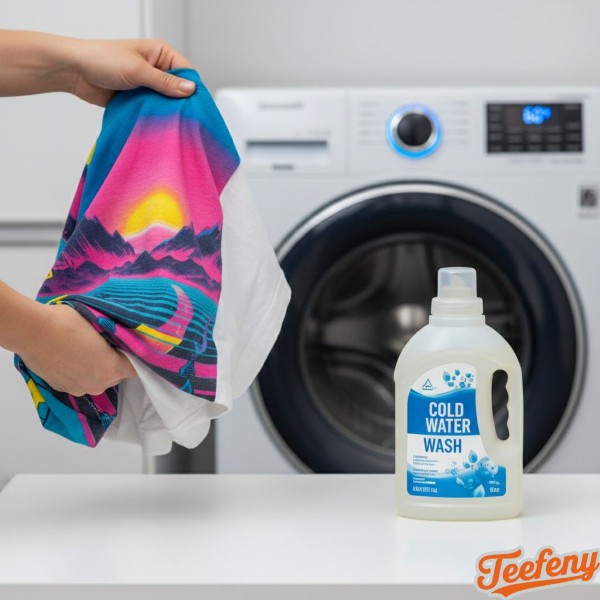
T-shirts with screen printing, heat transfers, or embroidery require extra care. From our experience at Teefeny, we’ve seen countless customers accidentally damage printed designs by using excessive heat. The cold water vs hot water t-shirts choice becomes non-negotiable for printed garments—always choose cold. The adhesive and ink used in these designs degrades rapidly in hot water.
Always wash printed t-shirts inside out in cold water using the gentle cycle. This protects both the print and the fabric underneath. Hot water can cause prints to crack, peel, or fade prematurely—damage that’s irreversible once it occurs.
Performance and Athletic Wear

Moisture-wicking t-shirts made from technical fabrics demand cold water washing. These synthetic materials shed microfibers more readily than natural fibers, and hot water exacerbates this problem. The specialized finishes that provide moisture management and odor control break down when exposed to high temperatures. Understanding cold water vs hot water t-shirts washing for athletic wear is crucial for maintaining performance properties.
Cold water preserves the stretch and recovery properties of performance fabrics. What temperature water is best for washing colored t-shirts with special finishes? Cold water maintains both the color and the functional properties that make athletic wear perform as designed.
Detergent Effectiveness at Different Temperatures
The relationship between washing machine settings and detergent performance significantly impacts cleaning results. Understanding detergent effectiveness helps optimize your laundry routine regardless of water temperature. The cold water vs hot water t-shirts equation includes selecting the right detergent for your chosen temperature.
Modern Cold-Water Detergents
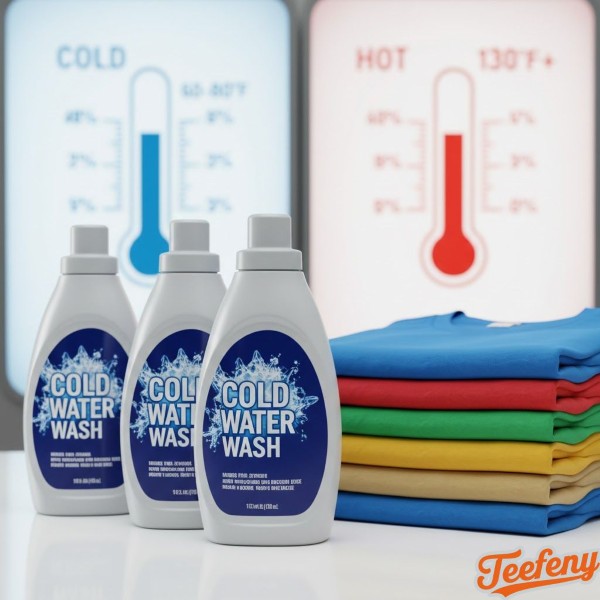
Today’s liquid detergents contain enzymes specifically engineered to activate at temperatures as low as 60°F. These formulations represent a significant advancement over older powdered detergents that required warm water for proper dissolution. Modern chemistry has made the cold water vs hot water t-shirts decision easier by improving cold-water cleaning effectiveness.
Choose liquid over powder when washing in cold water. Powder detergents often leave residue on clothes washed in cold water because they don’t fully dissolve. This residue builds up over time, causing garments to feel stiff and look dingy.
Pre-treating stains becomes more important with cold water washing. Apply stain remover directly to affected areas and let it sit for 5-10 minutes before washing. This compensates for cold water’s reduced chemical activity on stubborn stains.
Optimizing Detergent Use

More detergent doesn’t mean cleaner clothes—it means more residue. Use the amount recommended for your load size and water hardness. Excess detergent actually hinders proper rinsing and can trap dirt in fabric fibers.
Consider your local water conditions when selecting detergent. Hard water requires more detergent for effective cleaning, while soft water needs less. Many modern detergents include water softening agents to perform well in various conditions.
Step-by-Step Guide: Washing T-Shirts Properly
Implementing proper laundry tips ensures your t-shirts look great and last longer. Follow this comprehensive approach for optimal results with the cold water vs hot water t-shirts decision. Understanding the cold water vs hot water t-shirts washing process step-by-step helps eliminate confusion.
Pre-Wash Preparation

Before loading the washer, sort t-shirts by color and fabric weight. Wash whites separately from colors, and group similar fabric types together. This prevents color bleeding and ensures all items in the load receive appropriate care.
Check pockets and turn t-shirts inside out. This simple step protects the exterior surface from abrasion during the wash cycle. For printed or embroidered t-shirts, inside-out washing is non-negotiable—it’s the difference between prints lasting years or fading after a few washes.
Treat visible stains before washing. Apply stain remover to affected areas, gently rub the fabric together, and let it sit for at least 5 minutes. For best results with stain removal in cold water, pre-treatment becomes essential rather than optional.
Washing Process
Load the washing machine to approximately 75% capacity. Overloading prevents clothes from moving freely, reducing cleaning effectiveness and increasing wear. Underloading wastes water and energy, so finding the right balance matters.
Select cold water (tap cold or 30°C setting) for most t-shirts. Add appropriate detergent directly to the drum or dispenser, following manufacturer recommendations for dosage. Start the wash cycle using either regular or gentle settings depending on fabric delicacy.
For heavily soiled items that truly need warmer water, use warm (90-100°F) rather than hot. This middle ground provides better cleaning than cold while minimizing shrinkage prevention concerns. The cold water vs hot water t-shirts spectrum includes warm water as a compromise option.
Drying Considerations
The dryer causes more shrinkage than washing. Even with perfect cold water washing technique, high-heat drying can shrink t-shirts significantly. Air drying remains the safest option for preserve clothes in their original size and shape.
If using a dryer, select low heat or air-dry settings. Remove t-shirts while they’re still slightly damp to reduce wrinkling and prevent over-drying, which damages fibers. Reshape garments immediately after removing them from the washer or dryer to maintain proper fit.
Hanging t-shirts to dry works well for most situations. Use padded hangers to prevent shoulder bumps, or lay t-shirts flat on a clean surface. Avoid direct sunlight, which can fade colors even without heat exposure.
Special Situations and Exceptions
The cold water vs hot water t-shirts debate includes scenarios where standard advice doesn’t apply. Understanding these exceptions helps you make informed decisions for specific circumstances. Even when cold water is generally superior in the cold water vs hot water t-shirts comparison, certain situations call for flexibility.
Washing After Illness
When household members are sick, sanitization takes priority over fabric care. Wash potentially contaminated t-shirts in hot water (130°F minimum) with regular detergent. Many modern washing machines include sanitize cycles specifically designed for this purpose. In health emergencies, the cold water vs hot water t-shirts rule shifts toward hot water for sanitization.
If hot water isn’t advisable for certain fabrics, use warm water combined with a laundry sanitizer additive. These products kill germs at lower temperatures, protecting both health and clothing maintenance needs.
First Wash for New T-Shirts
Should i wash t-shirts in cold or hot water the first time? Always start with cold water, even for new garments. Some experts recommend soaking new cotton t-shirts in cold water for 24-48 hours before the first wash to allow fibers to relax without heat-induced shrinkage.
This pre-wash soak helps remove manufacturing chemicals and excess dye while allowing fibers to settle into their natural state. After soaking, proceed with a regular cold water wash cycle.
Dealing with Musty Odors
T-shirts that smell musty after washing in cold water usually indicate a washer maintenance issue rather than a temperature problem. Run a maintenance wash cycle on your machine using hot water and washing machine cleaner monthly to prevent mildew and bacteria buildup.
If musty odors persist after cleaning your washer, try washing affected t-shirts in warm water with white vinegar added to the rinse cycle. This natural deodorizer eliminates odor-causing bacteria without requiring continuous hot water washing.
Winter Washing Considerations
In cold climates where tap water drops below 40°F, cold water washing becomes less effective. Detergents struggle to dissolve and activate in extremely cold water. Switch to warm water during these months to ensure proper cleaning without dramatically increasing shrinkage risk. The cold water vs hot water t-shirts guidelines adapt to seasonal temperature variations.
Monitor your actual tap water temperature—it varies significantly between summer and winter in many regions. What feels like “cold” in July might be 75°F, while winter “cold” could be 35°F.
Environmental and Economic Impact
The cold water vs hot water t-shirts decision extends beyond personal fabric care to broader environmental and financial implications. Understanding these impacts helps contextualize washing temperature choices. When evaluating cold water vs hot water t-shirts from a sustainability perspective, the advantages of cold water become even more compelling.
Energy Savings from Cold Water Washing
Switching from hot to cold water for laundry saves substantial energy. According to Energy Star, the average household can reduce annual energy consumption by hundreds of kilowatt-hours simply by washing in cold water. This translates to real money—estimates suggest savings of $50-100 annually depending on local energy costs and washing frequency. The cold water vs hot water t-shirts choice impacts both your utility bills and environmental footprint.
Energy efficiency washing also reduces your carbon footprint. Heating water for laundry accounts for a significant portion of household energy use, so choosing cold water represents one of the easiest environmental actions individuals can take.
Water Quality and Treatment
Lower temperature washing reduces strain on water treatment facilities. Hot water washing requires more energy-intensive water heating both before and after use. Additionally, cold water washing machine settings help reduce the release of microfibers into waterways by minimizing mechanical stress on fabric.
The microfiber pollution from synthetic fabrics has become a recognized environmental concern. While cold water doesn’t eliminate this problem, it reduces the rate at which these particles shed from garments during washing.
Long-Term Cost Analysis
Beyond energy savings, cold water washing extends garment life. T-shirts that maintain their size, shape, and color require less frequent replacement. This economic benefit compounds over time—spending $20 on a quality t-shirt that lasts five years costs less than buying multiple replacements due to heat damage. The cold water vs hot water t-shirts choice directly impacts your wardrobe budget over time.
From Teefeny’s perspective, we design our garments to last, but proper care determines whether they reach their potential lifespan. The best water temperature for laundry balances immediate cleanliness with long-term preservation, and cold water achieves both goals for most situations.
Common Mistakes to Avoid
Even with good intentions, several common errors undermine the cold water vs hot water t-shirts strategy. Avoiding these pitfalls ensures optimal results. Understanding what not to do in the cold water vs hot water t-shirts washing process is just as important as knowing best practices.
Using Too Much Detergent
Excess detergent doesn’t improve cleaning—it creates problems. Soap residue builds up in fabric fibers, making clothes feel stiff and look dingy. This buildup also traps dirt and odors, requiring additional washing to resolve.
Use measuring tools and follow package directions. Most modern detergents are concentrated, requiring less product than older formulations. When in doubt, start with slightly less detergent and increase only if cleaning results disappoint.
Ignoring Care Labels
Every t-shirt comes with manufacturer recommendations printed on the care label. These instructions provide specific guidance based on fabric composition and construction. Ignoring them voids any warranty and often leads to premature damage.
Care labels use standardized symbols indicating maximum safe temperatures and washing methods. Learn to read these symbols—they communicate essential information about fabric care requirements that generic advice can’t address.
Overloading the Washing Machine
Cramming too many t-shirts into one load prevents proper cleaning and increases fabric wear. Clothes need space to move freely for detergent and water to penetrate fibers effectively. Overloading also increases friction between garments, accelerating wear patterns.
A properly loaded washer should be about three-quarters full, leaving room for clothes to agitate without restriction. This guideline applies regardless of whether you’re washing in cold or warm water.
Leaving Clothes in the Washer
Promptly removing t-shirts from the washing machine prevents musty odors and reduces wrinkling. Damp clothes sitting in a closed washer create an ideal environment for mildew growth. If you forget a load, rewash it before drying to ensure freshness.
Set a timer when starting laundry to remind yourself when the cycle completes. This simple habit prevents a cascade of laundry problems stemming from wet clothes left too long.
Advanced Fabric Care Tips
Taking your fabric care knowledge to the next level involves understanding subtle factors that influence washing effectiveness and garment longevity.
Water Hardness Considerations
Hard water contains mineral deposits that interfere with detergent performance. If you live in an area with hard water, cold water washing may produce disappointing results unless you use a detergent formulated for hard water or add a water softener to your wash.
Test your water hardness using an inexpensive test kit from hardware stores. If results indicate hard water, adjust your laundry approach accordingly. Some modern detergents include built-in water softening agents, simplifying this consideration.
Washing Frequency Balance
Washing clothes less frequently extends their lifespan significantly. T-shirts worn for a few hours in climate-controlled environments don’t need washing after every wear. Unless visibly soiled or odorous, cotton t-shirts can be worn 2-3 times before washing.
This approach might sound counterintuitive in cultures with daily washing habits, but it represents a more sustainable relationship with clothing. Each wash cycle, regardless of temperature, stresses fabric fibers. Reducing washing frequency while maintaining proper hygiene represents smart clothing maintenance.
Seasonal Adjustments
Adapt your washing strategy to seasonal changes. Summer t-shirts worn during hot weather accumulate more sweat and require more frequent washing. Winter t-shirts worn under layers stay cleaner longer and need less frequent laundering.
Temperature considerations also shift seasonally. As mentioned earlier, extremely cold winter tap water may necessitate switching to lukewarm water for effective cleaning during those months.
Professional Perspectives and Research
Scientific research and professional laundry expertise support cold water washing as the optimal default choice for most t-shirts and similar garments. The cold water vs hot water t-shirts recommendation from textile professionals consistently favors cooler temperatures.
Industry Testing Results
Testing by laundry industry professionals consistently demonstrates that modern cold-water detergents clean effectively at temperatures below 80°F. The key lies in using products specifically formulated for cold water rather than assuming all detergents work equally at any temperature. These findings reinforce the cold water vs hot water t-shirts recommendation favoring cooler temperatures.
Research from textile science departments at major universities confirms that cold water washing significantly reduces shrinkage, color fading, and fiber breakdown. These findings have led to the industry-wide recommendation shift toward lower washing temperatures.
Textile Expert Recommendations
Textile care experts emphasize that the best way to wash cotton t-shirts without fading combines multiple factors: cold water, gentle cycles, appropriate detergent selection, and proper drying methods. No single element ensures perfect results—success requires a comprehensive approach. The cold water vs hot water t-shirts recommendation from professionals remains consistent across the industry.
When consulting the question of should i wash t-shirts in cold or hot water from a professional textile care perspective, the answer remains consistently clear: cold water protects fabric integrity while achieving satisfactory cleaning for typical wear.
Making Your Decision: A Practical Framework
Choosing between cold water vs hot water t-shirts washing requires evaluating several factors specific to your situation. Use this framework to make informed decisions. The cold water vs hot water t-shirts choice becomes clearer when you understand your specific needs.
Decision Factors Checklist
Consider these elements when selecting washing temperature:
Fabric content: Pure cotton requires more caution than blends
Garment color: Dark and bright colors need cold water protection
Soil level: Light everyday wear tolerates cold; heavy soiling may need warm
Print or embellishments: Always use cold water for decorated t-shirts
Local water temperature: Very cold tap water reduces detergent effectiveness
Energy costs: Higher rates increase savings from cold water washing
Environmental priorities: Cold water significantly reduces carbon footprint
Creating Your Personal Washing System
Develop a consistent routine based on your lifestyle and priorities. Sort laundry into categories: everyday wear (cold water), heavily soiled items (warm water), and sanitize-needed items (hot water). This systematic approach ensures appropriate care while simplifying laundry day decisions.
Label storage baskets or hampers by washing category to make sorting effortless. This organization prevents the temptation to wash everything together at whatever temperature is most convenient.
Caring for Your Complete Wardrobe
Beyond t-shirts, apply these principles to your entire clothing collection. The cold water vs hot water t-shirts guidelines extend to most garment types. For comprehensive garment care guidance and premium quality garments designed for longevity, see our complete garment care collection.
At Teefeny, we believe proper care extends the life of quality clothing. The cold water vs hot water t-shirts debate represents just one aspect of comprehensive fabric care. By understanding how washing temperature affects your garments, you’re equipped to make choices that preserve your wardrobe’s appearance and functionality for years to come. Mastering the cold water vs hot water t-shirts decision is fundamental to long-term garment care.
The investment you make in quality t-shirts deserves protection through informed care decisions. Whether choosing cold water for everyday loads or understanding when warmer temperatures serve specific purposes, your washing approach directly impacts how long your favorite shirts remain in rotation. The cold water vs hot water t-shirts knowledge empowers you to extend garment lifespan significantly.
Summary Table: Quick Reference Guide
| Aspect | Cold Water | Warm Water | Hot Water |
|---|---|---|---|
| Temperature Range | 60-80°F (15-27°C) | 90-110°F (32-43°C) | 130°F+ (54°C+) |
| Best For | Everyday t-shirts, colors, delicates | Moderately soiled items, whites | Sanitization, heavily soiled items |
| Shrinkage Risk | Minimal | Moderate | High |
| Color Preservation | Excellent | Good | Poor |
| Energy Efficiency | Highest | Medium | Lowest |
| Cleaning Power | Good for light soil | Better for tough stains | Best for deep cleaning |
| Fabric Longevity | Extends garment life | Moderate wear | Accelerates aging |
| Microfiber Shedding | Reduced | Moderate | Increased |
| Annual Cost Savings | Up to $100 vs. hot water | Moderate savings | Highest cost |
| Recommended Frequency | Most washes | Occasional use | Rare/specific needs |
Frequently Asked Questions
Is it better to wash shirts in hot or cold water?
Cold water is better for most shirts. It prevents shrinkage, protects colors from fading, and significantly reduces energy consumption. Research shows cold water can reduce shrinkage by up to 80% compared to hot water while still cleaning effectively with modern detergents. Reserve hot water for heavily soiled items or when sanitization is necessary, such as after illness.
Why not wash clothes in hot water?
Hot water causes several problems: it makes cotton fibers contract leading to permanent shrinkage, opens dye molecules causing colors to fade rapidly, breaks down fabric fibers faster reducing garment lifespan, and uses 90% more energy than cold water washing. The cleaning benefits of hot water rarely outweigh these significant drawbacks for typical laundry loads.
Is 40 degrees a cold wash?
No, 40°C (104°F) is considered a warm wash, not cold. True cold washes operate at 30°C (86°F) or below, with 20°C (68°F) being the coldest standard setting. While 40°C falls on the lower end of the temperature spectrum and saves energy compared to hot washes, it still provides enough heat to cause some shrinkage and color fading in sensitive fabrics.
Is hot or cold water better for sweaty clothes?
Cold water is actually better for sweaty clothes. Sweat contains proteins that can set into fabric when exposed to hot water, making them harder to remove and potentially causing permanent yellowing. Cold water keeps these proteins from setting while still removing odor-causing bacteria, especially when combined with a quality enzyme-based detergent designed for cold water use.
How often should I wash my t-shirts?
T-shirts worn for several hours in temperature-controlled environments can typically be worn 2-3 times before washing, unless visibly soiled or odorous. Overwashing accelerates fabric wear regardless of water temperature. Athletic wear and undershirts worn directly against skin should be washed after each wear due to sweat and body oil accumulation.
Can I mix cold and warm water clothes in one load?
While technically possible, mixing garments with different temperature requirements compromises optimal care for both. If you must combine them, always choose the coldest temperature recommended for any item in the load. However, sorting by temperature needs ensures every garment receives appropriate care and extends overall wardrobe longevity.
Does fabric softener work in cold water?
Yes, liquid fabric softeners work effectively in cold water. Add them during the rinse cycle as directed. However, fabric softener isn’t necessary for most t-shirts and can actually reduce absorbency in cotton and performance fabrics. Consider using it sparingly or skipping it entirely for better fabric maintenance.
Will my clothes smell clean when washed in cold water?
Yes, when you use appropriate detergent and maintain your washing machine properly. Musty-smelling clothes after cold washing typically indicate washer maintenance issues, not temperature problems. Run a monthly hot maintenance wash cycle with washing machine cleaner to prevent mildew buildup that causes odors regardless of regular washing temperature.
Related Posts: