Best Detergent for T-Shirts: What to Use and Avoid

Dec
Your favorite t-shirt deserves better than a random detergent grab from the grocery store shelf. Whether you’re preserving graphic tees, maintaining white cotton basics, or caring for performance fabrics, choosing the best detergent for t-shirts makes all the difference between clothes that last years and ones that fade, shrink, or lose their shape after just a few washes.
From our experience working with customers at Teefeny, we’ve seen countless people unknowingly damage their t-shirts with harsh chemicals and improper washing techniques. The good news? With the right laundry detergent for shirts and a few expert tips, you can keep your favorite tees looking fresh for much longer.
Understanding T-Shirt Fabrics and Their Detergent Needs
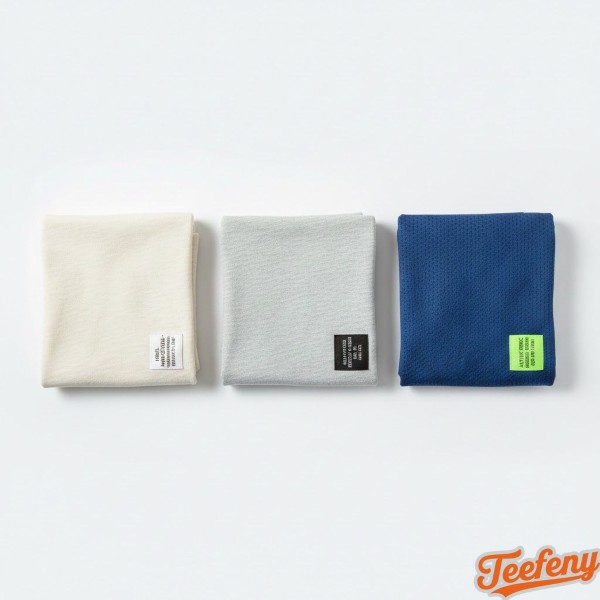
Not all t-shirts are created equal, and neither are their washing requirements. The fabric care detergent you choose should match your t-shirt’s material composition. Finding the best detergent for t-shirts starts with understanding what your shirts are made from.
Cotton T-Shirts: The Classic Choice
100% cotton t-shirts are wardrobe staples, but they require specific care to prevent shrinkage and maintain softness. Cotton fibers benefit from enzyme detergent formulas that break down protein-based stains like sweat and food without damaging the natural fibers. The best detergent to keep t-shirts soft for cotton includes mild formulations that clean thoroughly while preserving the fabric’s integrity.
When selecting what is the best laundry detergent for cotton t-shirts, look for products that contain proteases—enzymes specifically designed to tackle protein stains. These work exceptionally well on everyday wear items that accumulate body oils and perspiration. The best detergent for t-shirts made from cotton should balance cleaning power with gentleness.
Polyester and Blended Fabrics
Cotton-polyester blends and performance fabrics have different needs. These materials resist shrinkage better than pure cotton but are more prone to retaining odors. For blended t-shirts, enzyme-based formulas with lipase work best to break down oil-based stains and eliminate odor-causing bacteria.
Here’s the part most people don’t realize: fabric softener actually works against performance fabrics. The chemical coating blocks moisture-wicking properties, leaving you uncomfortable during workouts and causing clothes to develop persistent odors. Selecting the best detergent for t-shirts in blended fabrics means avoiding anything that leaves residue.
Delicate and Specialty T-Shirts
Vintage tees, screen-printed designs, and delicate fabrics require gentle detergent for clothes without harsh chemicals. These shirts benefit from pH-neutral formulas that clean effectively without stripping dyes or breaking down specialty prints. When looking for the best detergent for t-shirts with graphics or vintage appeal, gentleness becomes paramount.
Key Ingredients in the Best Detergent for T-Shirts
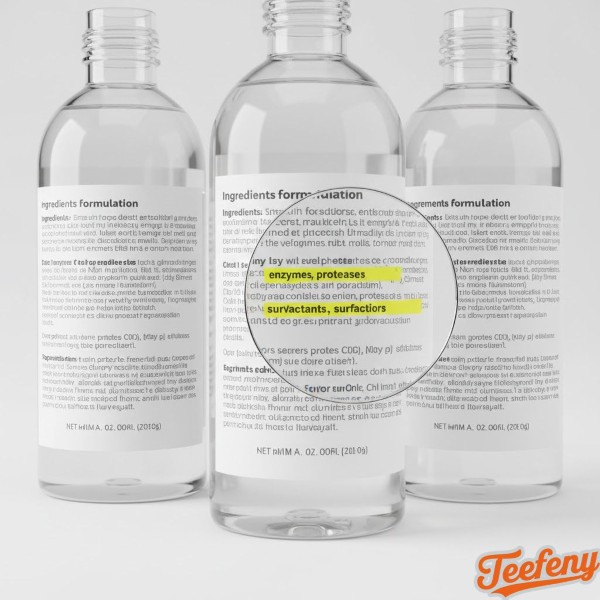
Understanding what goes into your laundry detergent for shirts helps you make informed choices that protect your clothes and your skin. The best detergent for t-shirts contains specific active ingredients that target common t-shirt stains.
Enzyme Detergent: The Stain-Fighting Powerhouse
Biological detergents containing enzymes have revolutionized fabric care. These natural proteins act as catalysts, breaking down specific types of stains at lower temperatures. The main enzyme types include:
Proteases target protein-based stains like blood, sweat, and food residues—perfect for everyday t-shirt wear. Research shows these enzymes remain effective even in cold water, making them environmentally friendly while delivering excellent stain removal. Many experts consider enzyme-rich formulas the best detergent for t-shirts because of this versatility.
Lipases break down fatty materials and oils, ideal for tackling greasy stains and body oils that accumulate in underarm areas.
Amylases remove starch-based food stains from pasta, rice, and other carbohydrates that commonly end up on casual wear.
Cellulases smooth cotton fibers, reducing pilling and helping maintain color vibrancy—particularly beneficial for cotton t-shirts that see frequent wear.
At Teefeny, we consistently recommend enzyme-based detergents for cotton care because they deliver superior cleaning power while remaining gentle on fibers. The science backs this up: studies demonstrate that enzyme detergents work effectively at temperatures as low as 30°C, saving energy while protecting your clothes. This makes enzyme formulas strong contenders for the best detergent for t-shirts across all fabric types.
Surfactants: The Core Cleaning Agents
Surfactants are amphiphilic molecules—one end attracts water while the other repels it. This unique property allows them to latch onto dirt and oils, pulling them away from fabric fibers during the washing machine cycle. Quality detergents balance surfactant concentration to clean effectively without leaving residue. When evaluating the best detergent for t-shirts, examine the surfactant source—plant-based options tend to be gentler.
Optical Brighteners vs. Natural Alternatives
Many commercial detergents include optical brighteners that make whites appear brighter by reflecting blue light. While effective for appearance, these chemicals can irritate sensitive skin and degrade over time. For those seeking gentler options, plant-based alternatives with oxygen-based brighteners offer similar results without harsh additives. The best detergent for t-shirts balances brightness with safety.
What to Look for When Shopping for the Best Detergent for T-Shirts
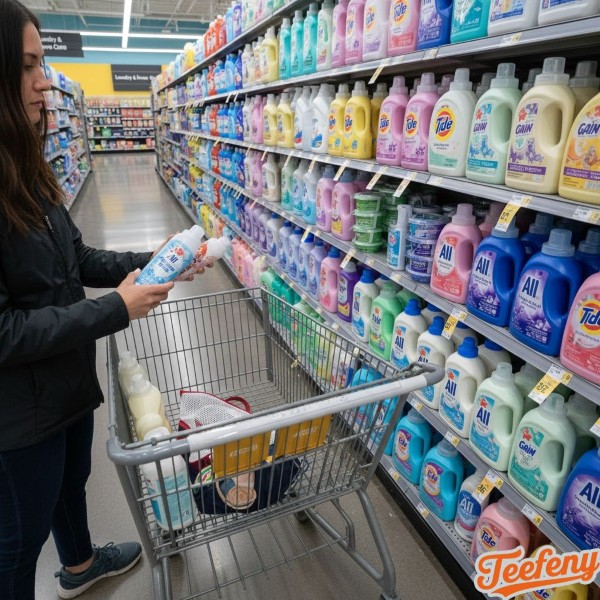
When shopping for the best detergent for t-shirts, several factors determine which product suits your needs. Making an informed choice ensures your t-shirts stay fresh, vibrant, and long-lasting.
Concentration and Cost-Effectiveness
Ultra-concentrated formulas require less product per load, reducing packaging waste and often proving more cost-effective long-term. Calculate the cost per load rather than the bottle price—a more expensive concentrated detergent may actually save money. The best detergent for t-shirts delivers value beyond just the sticker price.
Color Protection Features
The detergent that won’t fade t-shirt colors typically includes color-trapping ingredients that prevent dye transfer during washing. These formulations maintain vibrancy wash after wash, particularly important for dark and brightly colored tees. If you’re wondering about the best detergent for t-shirts in various colors, prioritize products specifically labeled for color protection.
For dark t-shirts, specialized formulas smooth fabric fibers and neutralize minerals in wash water that cause fading. This technology extends the life of black and navy tees significantly. Many people searching for the best detergent for t-shirts overlook this critical feature.
Hypoallergenic and Sensitive Skin Formulas
Many people develop reactions to fragrances, dyes, and harsh chemicals in standard detergents. Hypoallergenic options marked as sensitive skin detergent eliminate common irritants while maintaining cleaning power. These formulas work particularly well for those who wear t-shirts directly against skin for extended periods. The best detergent for t-shirts for sensitive individuals avoids synthetic fragrances entirely.
Temperature Compatibility
Modern detergents designed for cold water washing save energy while protecting fabrics from heat damage. The best detergent for t-shirts works effectively across all temperature ranges, giving you flexibility based on stain severity and fabric type. Cold-water effectiveness has become a hallmark of quality products.
The Best Detergent Types for T-Shirts
Different formats offer distinct advantages depending on your laundry routine and preferences. Understanding which type works best helps you identify the best detergent for t-shirts for your specific needs.
Liquid Detergents: Versatile and Effective
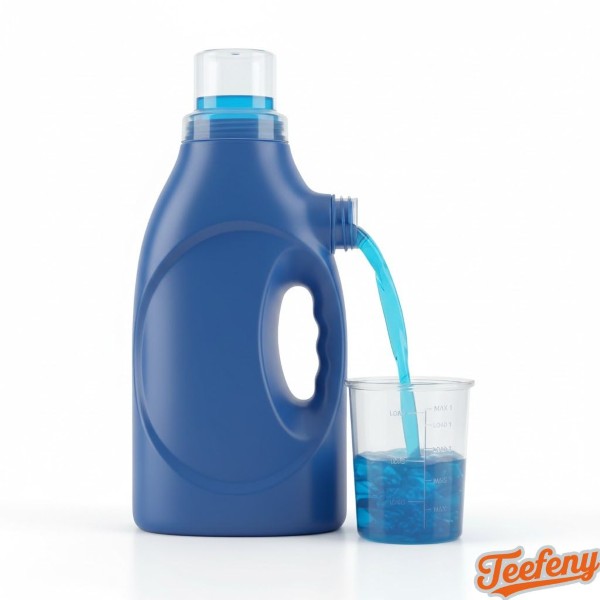
Liquid formulas excel at pre-treating stains before washing. Apply directly to collar rings, underarm stains, or food spills, let sit for 5-10 minutes, then wash as normal. This pre-treatment capability makes liquid detergent particularly valuable for maintaining t-shirts in pristine condition. Many experts recommend liquid as the best detergent for t-shirts specifically because of this versatility.
Quality liquid detergents dissolve completely in cold water, ensuring even distribution throughout the washing machine load. They’re especially effective on oil-based stains common to everyday wear. According to Good Housekeeping testing, top-performing liquid detergents consistently remove the widest variety of stains.
Powder Detergents: Budget-Friendly Performance
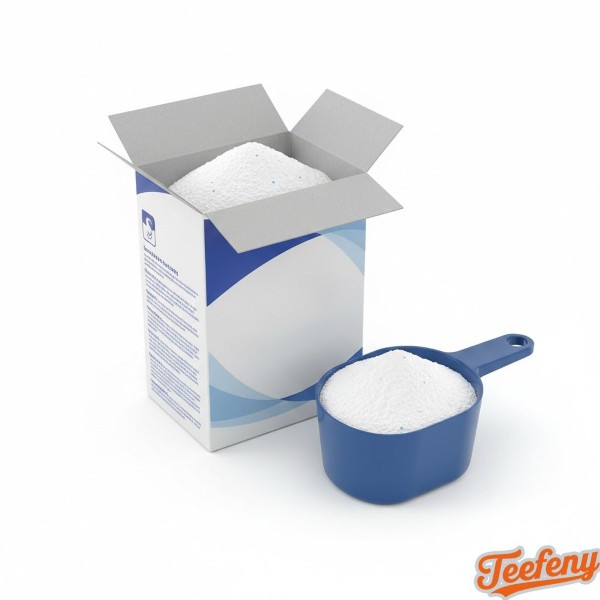
Powder formulations offer excellent value and work particularly well on outdoor stains like mud and grass—though less common on t-shirts, this matters for families with active kids. Powder detergents with oxygen-based bleach alternatives brighten whites effectively without chlorine’s harsh effects. Some consider powder the best detergent for t-shirts from a value perspective.
The main consideration with powder is ensuring complete dissolution, especially in cold water washes. Modern powder formulas have improved significantly, but older washing machines may experience residue issues.
Detergent Pods: Convenience with Caveats
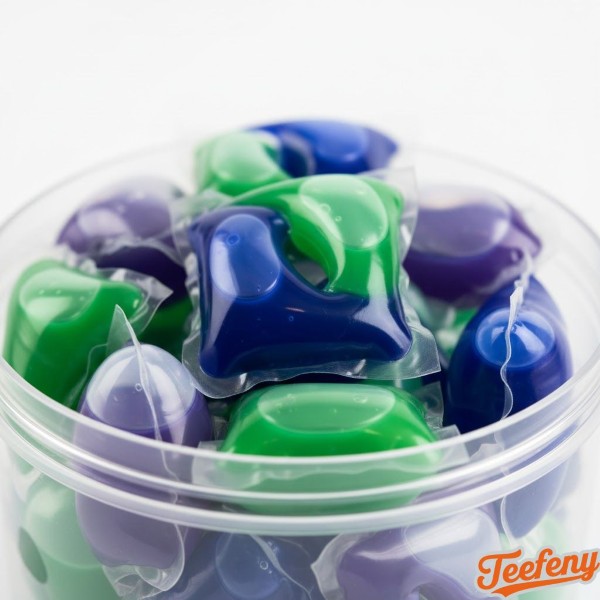
Pre-measured pods eliminate guesswork and travel easily. However, they can be too concentrated for small loads and don’t allow for pre-treating stains. For t-shirt care specifically, the inflexibility limits their usefulness compared to liquid or powder options. While convenient, pods aren’t necessarily the best detergent for t-shirts if you need flexibility.
Detergent Sheets: The Eco-Friendly Option
The newest innovation in laundry care, detergent sheets offer minimal packaging and easy portability. While testing shows they generally don’t match traditional detergents for tough stain removal, they work adequately for lightly soiled t-shirts and travel situations. They’re emerging contenders for the best detergent for t-shirts for eco-conscious consumers.
Specialized Detergents for Different T-Shirt Types
Matching detergent to your specific t-shirt collection optimizes results. The best detergent for t-shirts varies based on color, fabric, and intended use.
White T-Shirts: Maintaining Brightness

White t-shirts show every stain and can yellow over time from body oils and minerals in water. For these, look for detergents with oxygen-based bleach (sodium percarbonate) rather than chlorine bleach. Oxygen bleach whitens effectively while being gentler on cotton fibers. The best detergent for t-shirts in white should include these brightening agents.
Pro tip: Never use chlorine bleach on cotton t-shirts regularly—it degrades fibers rapidly, shortening garment life dramatically. Save chlorine bleach for occasional brightening of heavily yellowed items, if at all. The best detergent for t-shirts uses oxygen-based alternatives instead.
Dark and Colored T-Shirts
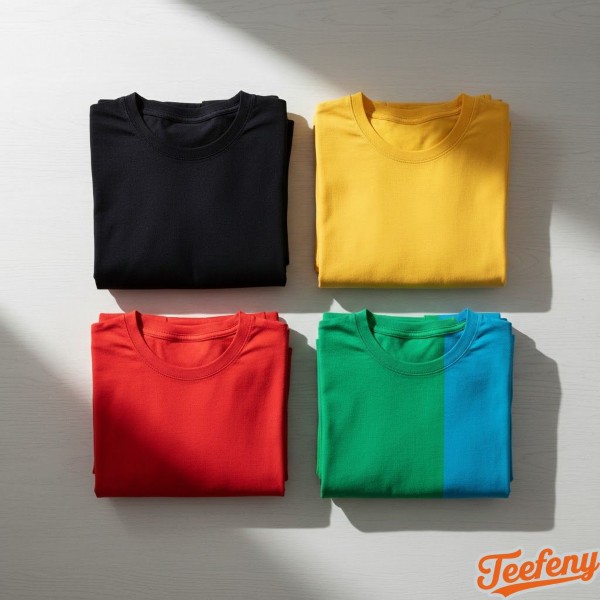
Color protection becomes paramount for vibrant tees. The best detergent for t-shirts in dark shades includes dye-fixing ingredients that prevent colors from bleeding and fading. These formulas typically work best in cold water, which naturally helps preserve color intensity.
Always wash dark t-shirts inside out to protect the visible fabric surface from friction and lint during the washing machine cycle. This simple step, combined with quality gentle detergent for clothes, dramatically extends color life. When searching for the best detergent for t-shirts in bold colors, look for “color lock” or “color guard” on labels.
Performance and Athletic T-Shirts

Moisture-wicking fabrics require special consideration. Standard detergents can leave residue that clogs synthetic fibers, reducing performance. Sport-specific formulas remove sweat and odor-causing bacteria without coating fibers. The best detergent for t-shirts used during athletic activities must be residue-free.
From our experience at Teefeny, customers often complain about persistent odors in athletic wear despite regular washing. This usually indicates detergent buildup—switch to an enzyme detergent designed for activewear and run an extra rinse cycle to restore fabric performance. Finding the best detergent for t-shirts used in sports makes a noticeable difference.
Graphic and Screen-Printed T-Shirts
T-shirts with prints require gentle handling to prevent design cracking or fading. Use cold water exclusively and select mild, pH-neutral detergents. Avoid products with harsh chemicals or excessive bleaching agents that can break down inks and dyes in the design. The best detergent for t-shirts with graphics prioritizes pH balance.
Turn graphic tees inside out before washing and never use high heat in the dryer—air drying preserves prints best.
What to Avoid in T-Shirt Detergents
Understanding what damages t-shirts helps you avoid common pitfalls. Knowing what makes the best detergent for t-shirts includes understanding what ingredients to avoid.
Harsh Chemicals and Additives
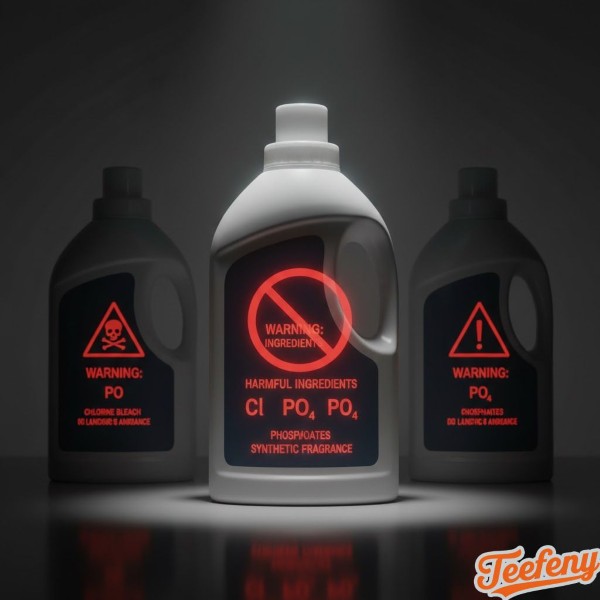
Certain ingredients cause more harm than good:
Chlorine bleach weakens cotton fibers with each use, causing yellowing and deterioration over time. Even occasional use accelerates wear. The best detergent for t-shirts never contains chlorine bleach.
Excessive phosphates contribute to water pollution and don’t provide meaningful cleaning benefits in modern formulations. Many regions have banned or restricted phosphates in detergents.
Harsh optical brighteners can irritate skin and yellow fabrics when exposed to chlorine or extended sun exposure.
Synthetic fragrances often trigger allergic reactions and headaches. If you prefer scented laundry, choose naturally fragranced options or add essential oils to wool dryer balls. The best detergent for t-shirts for sensitive users avoids these entirely.
Fabric Softener: The Silent T-Shirt Killer
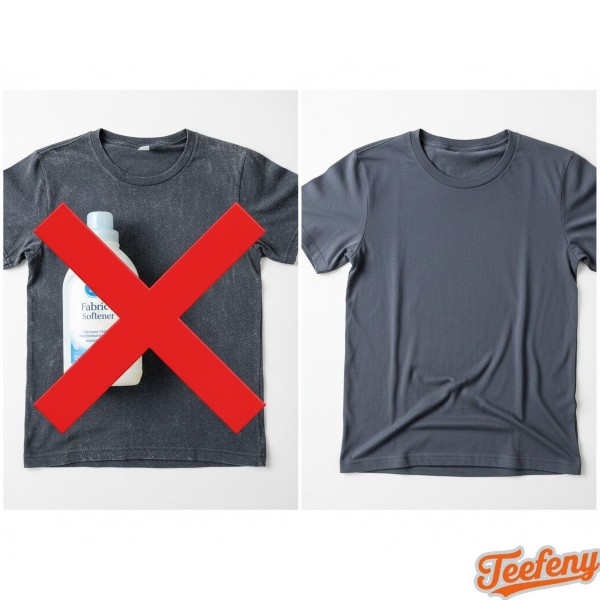
This is where things get tricky. While fabric softener makes clothes feel soft temporarily, it creates long-term problems for t-shirts:
Coating buildup reduces fabric breathability, making cotton t-shirts less comfortable Reduced absorbency particularly problematic for cotton, which should naturally absorb moisture Flammability increase due to the fat-based nature of most softeners Performance fabric damage completely blocks moisture-wicking properties in athletic tees
Instead of fabric softener, add half a cup of white vinegar to the rinse cycle. It softens naturally without residue, removes odors, and costs far less. Don’t worry—clothes won’t smell like vinegar after they dry. The best detergent for t-shirts works perfectly without any fabric softener.
Overusing Detergent
More detergent doesn’t mean cleaner clothes. In reality, most people overlook how little detergent modern washing machines need. Excess detergent leaves residue that:
- Attracts dirt, making clothes appear dingy faster
- Causes stiffness and reduces softness
- Creates buildup in your washing machine
- Wastes money unnecessarily
Follow measuring lines on caps—typically just 1-2 tablespoons for most loads. High-efficiency washing machines require even less. If you notice soap residue on clothes after washing, you’re using too much. Even the best detergent for t-shirts causes problems when overused.
How to Wash T-Shirts for Maximum Longevity
The best detergent for t-shirts only works well when paired with proper washing techniques. Maximizing your detergent’s effectiveness requires following proven care methods.
Temperature Guidelines: 30 or 40 Degrees?
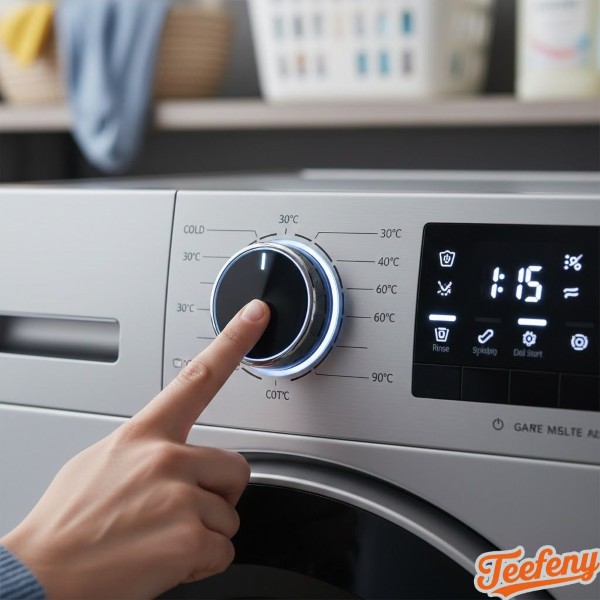
The temperature debate centers on balancing cleaning power with fabric protection. Here’s what the science tells us about using the best detergent for t-shirts at different temperatures:
30°C (86°F) wash cycles:
- Sufficient for everyday t-shirt cleaning with quality detergents
- Saves up to 60% energy compared to 40°C washes
- Prevents color fading and fabric shrinkage
- Protects delicate fibers effectively
- Works excellently with enzyme detergents, which activate at lower temperatures
40°C (104°F) wash cycles:
- Better for heavily soiled items or stubborn stains
- More effective at removing body oils from underarm areas
- Suitable for cotton and synthetic blends
- Strikes a balance between cleaning power and fabric care
60°C (140°F) and above:
- Reserve for sanitizing when someone’s been ill
- Unnecessary for typical t-shirt washing and damages fibers over time
- Causes significant shrinkage in cotton
- Fades colors noticeably
At Teefeny, we recommend washing most t-shirts at 30°C with a quality enzyme detergent. This temperature combined with the best detergent for t-shirts removes typical stains effectively while maximizing garment life. Use 40°C only for heavily soiled items or when dealing with particularly stubborn stains. The best detergent for t-shirts performs excellently at lower temperatures.
Pre-Treating Stains
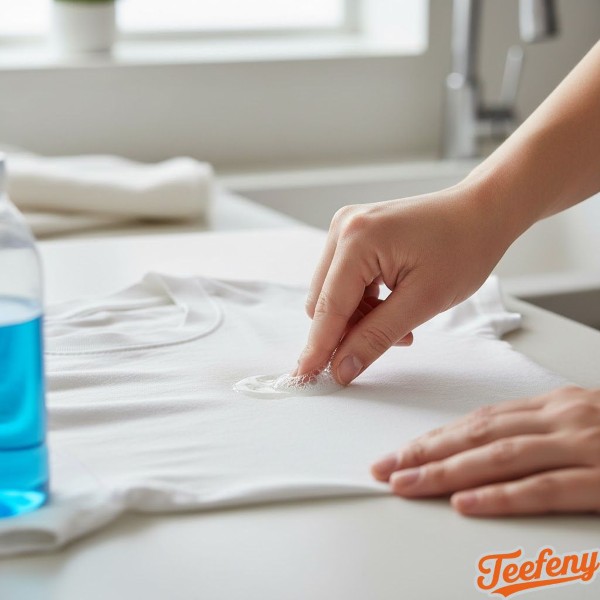
Address stains immediately for best results. Apply liquid detergent directly to the stain, gently rub with a soft brush or your fingers, and let sit 5-10 minutes before washing. This simple step dramatically improves stain removal for collar rings, underarm yellowing, and food spills. Using the best detergent for t-shirts as a pre-treater maximizes effectiveness.
For set-in stains, create a paste with oxygen-based bleach powder and water, apply to the stain, and let sit for up to an hour before washing. This method works wonders on previously washed stains that have set in.
Proper Loading and Cycle Selection
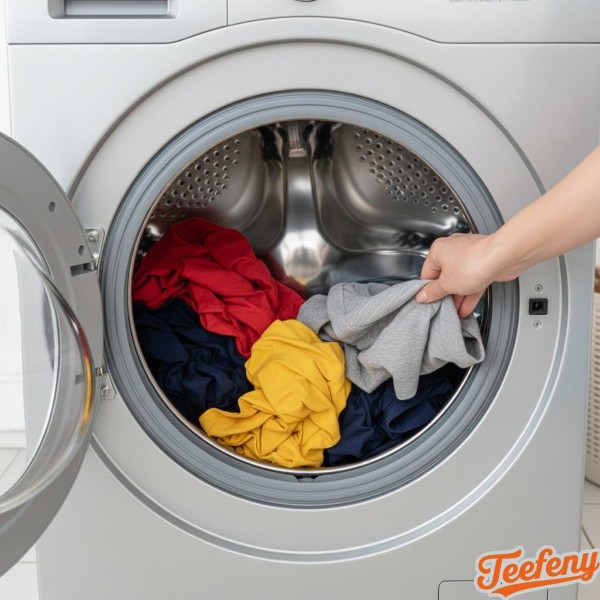
Overloading your washing machine prevents proper agitation and rinsing, leaving detergent residue and incompletely cleaned clothes. T-shirts should move freely in the drum—fill no more than 3/4 capacity for regular loads. Even the best detergent for t-shirts can’t work in an overcrowded machine.
Select appropriate cycles:
- Delicate/gentle for vintage tees and graphic prints
- Normal for everyday cotton t-shirts
- Quick wash for lightly worn items that just need refreshing
Always use the extra rinse option if your machine offers it. This ensures complete detergent removal, particularly important with soft water or when using concentrated formulas.
Drying Considerations

While detergent selection matters immensely, drying technique affects t-shirt longevity equally. High heat destroys elastic fibers, shrinks cotton, and sets stains that washing may have loosened but not removed.
Air drying remains the gold standard for t-shirt care. Hang t-shirts on hangers or lay flat to dry—this prevents stretching while eliminating dryer-related damage entirely. If you must use a dryer, select the lowest heat setting and remove items while slightly damp to minimize shrinkage.
Natural Alternatives and DIY Options
Those seeking chemical-free options have several viable alternatives to commercial detergents. While these may not always be the best detergent for t-shirts in terms of stain-fighting power, they offer eco-friendly benefits.
Soap Nuts and Plant-Based Cleaners
Soap nuts (dried berries containing natural saponins) work as gentle cleaners for lightly soiled t-shirts. While less effective on heavy stains than modern enzyme detergents, they’re completely natural and hypoallergenic.
Plant-based detergents made with coconut-derived surfactants and essential oils clean effectively while being biodegradable and environmentally friendly. These work particularly well for those with sensitive skin or allergies to synthetic fragrances. Some consider these the best detergent for t-shirts from an environmental standpoint.
Washing Soda and Oxygen Bleach
A DIY detergent combining washing soda, baking soda, and oxygen-based bleach powder provides effective, budget-friendly cleaning. Mix equal parts washing soda and baking soda with half the amount of oxygen bleach. Use 2-3 tablespoons per load.
This mixture cleans well, softens water naturally, and brightens without harsh chemicals. However, it lacks the enzyme power of commercial biological detergents, making it less effective on protein and oil-based stains. While not quite the best detergent for t-shirts for tough stains, it works adequately for light cleaning.
Vinegar and Baking Soda
White vinegar added to the rinse cycle (1/2 cup) softens clothes, removes odors, and breaks down detergent residue naturally. Never mix vinegar directly with detergent in the same cycle—this neutralizes both products’ effectiveness.
Baking soda added to the wash cycle (1/2 cup) boosts detergent performance, deodorizes, and helps soften water. This combination provides an excellent supplement to standard detergents for maintaining t-shirts in top condition.
Special Considerations for Teefeny Customers
At Teefeny, we’ve built our reputation on delivering quality t-shirts that last. Protecting your investment requires understanding the nuanced relationship between fabric quality and detergent selection. We frequently advise customers on finding the best detergent for t-shirts that matches our quality standards.
Breaking In New T-Shirts
New t-shirts often feel stiff due to manufacturing residue and sizing. Don’t be tempted to use extra fabric softener—instead, wash new tees 2-3 times with a mild detergent and white vinegar rinse. This removes chemical residue while naturally softening fibers. The best detergent for t-shirts when they’re brand new should be gentle yet effective.
For particularly stiff cotton t-shirts, a saltwater soak before the first wash works wonders. Dissolve 1/2 cup salt in a bucket of warm water, soak the shirt for an hour, then wash normally. This technique has been used for decades to break in denim and works equally well for cotton tees.
Maintaining Print Quality
Screen-printed designs require special care regardless of detergent quality. Always wash printed t-shirts inside out in cold water to protect the design from direct friction. This extends print life significantly—we’ve seen properly cared-for prints remain vibrant for years while identical shirts washed carelessly fade within months.
Use gentle detergent for clothes without enzymes near the print itself if possible. While enzymes won’t directly damage most prints, reducing exposure to active ingredients near specialty designs provides an extra layer of protection. The best detergent for t-shirts with prints balances cleaning power with gentleness.
Bulk T-Shirt Care for Businesses
Organizations purchasing wholesale t-shirts for events or staff uniforms face unique challenges. Washing large quantities efficiently while maintaining quality requires strategic planning.
Sort by color and fabric type, establish standard procedures (temperature, detergent amount, cycle selection), and consider commercial-grade detergents designed for bulk washing. These concentrated formulas cost less per load while providing consistent results across large volumes.
For businesses or individuals managing significant t-shirt collections, consistency matters more than finding the single “perfect” detergent. Establish a routine using quality fabric care detergent, stick to it, and adjust only when specific problems arise. To access our full care guide library, visit our comprehensive resource center covering everything from stain removal to long-term storage.
Environmental Considerations
Sustainable laundry practices benefit both your wallet and the planet. The best detergent for t-shirts considers environmental impact alongside cleaning performance.
Eco-Friendly Detergent Choices
Look for certifications like EPA Safer Choice, Leaping Bunny (cruelty-free), and EWG Verified when selecting environmentally conscious detergents. These products avoid harmful chemicals, use biodegradable ingredients, and minimize environmental impact. Many consumers now consider eco-credentials when determining the best detergent for t-shirts.
Concentrated formulas reduce packaging waste and transportation emissions. A single small bottle of concentrated detergent equals multiple large bottles of traditional formula, dramatically reducing plastic waste.
Energy and Water Savings
Washing at lower temperatures (30°C) with modern enzyme detergents saves substantial energy without sacrificing cleaning power. Studies show that washing at 30°C instead of 40°C reduces energy consumption by approximately 38%, translating to significant savings on utility bills and carbon footprint reduction. The best detergent for t-shirts enables effective cold-water washing.
Running full loads maximizes water and energy efficiency. However, never overstuff your washing machine—this prevents proper cleaning and rinsing. The sweet spot is 3/4 capacity where clothes move freely but the machine operates near full efficiency.
Biodegradability and Waterway Protection
Conventional detergents containing phosphates and non-biodegradable surfactants harm aquatic ecosystems. Plant-based alternatives break down naturally, reducing environmental impact. When choosing the best detergent for t-shirts, consider products that balance cleaning performance with ecological responsibility.
Troubleshooting Common T-Shirt Washing Problems
Even with the best detergent for t-shirts, problems occasionally arise. Here’s how to address them while maintaining optimal cleaning performance.
Yellowing and Graying
White t-shirts that turn yellow or gray despite regular washing usually suffer from one of three issues:
Detergent buildup from overuse creates a dull film. Solution: Run a hot water cycle with white vinegar only (no detergent or clothes) to strip residue from machine and fabrics.
Hard water minerals coat fibers. Solution: Add water softener to wash loads or install a whole-house water softener. Alternatively, use detergents specifically formulated for hard water—often labeled as the best detergent for t-shirts in hard water areas.
Body oil accumulation yellows underarm and collar areas over time. Solution: Pre-treat these areas with enzyme detergent before every wash.
Persistent Odors
T-shirts that smell musty even after washing indicate:
Washing machine mildew transfers odors to clothes. Solution: Run monthly cleaning cycles using washing machine cleaner or a cup of bleach in an empty hot water cycle.
Insufficient detergent or overloading prevents thorough cleaning. Solution: Reduce load size and verify you’re using adequate detergent according to package directions. The best detergent for t-shirts can’t work if used incorrectly.
Fabric buildup traps bacteria. Solution: Strip laundry by soaking in a bathtub with hot water, washing soda, and borax for 4-6 hours, then washing normally.
Fading and Color Bleeding
Colors that fade prematurely or bleed onto other clothes require immediate attention:
Hot water washing accelerates dye loss. Solution: Switch to cold water exclusively for colored t-shirts. The best detergent for t-shirts works effectively in cold water.
Non-color-safe detergent fails to prevent dye migration. Solution: Upgrade to detergent formulated for color protection.
Mixing colors incorrectly allows dye transfer between garments. Solution: Separate darks, lights, and brights, especially during first washes when dyes haven’t fully set.
Shrinkage Issues
Cotton t-shirts that shrink aren’t necessarily poor quality—improper care causes most shrinkage:
High heat causes cotton fibers to contract. Solution: Wash in cold or warm water (never hot) and air dry or tumble dry on low heat.
First-wash shrinkage occurs with new t-shirts. Solution: Accept that cotton naturally shrinks 3-5% during initial washing. Buy slightly larger if concerned.
Overdrying in the dryer shrinks cotton even on low heat. Solution: Remove items while slightly damp and air-dry completely.
FAQ: Your T-Shirt Detergent Questions Answered
What is the healthiest detergent for clothes?
The healthiest detergent depends on individual needs, but generally, products certified by EPA Safer Choice, free from synthetic fragrances and dyes, and containing plant-based ingredients rank as the safest options. These formulas minimize skin irritation and environmental impact while effectively cleaning clothes. Look for hypoallergenic certifications if you have sensitive skin or allergies.
For maximum health safety, choose fragrance-free options with natural enzyme blends. These deliver excellent cleaning power without potentially harmful chemicals. Remember that “natural” doesn’t always mean safer—even natural ingredients can cause reactions in sensitive individuals, so always patch test new products. Many consider these the best detergent for t-shirts for health-conscious consumers.
Which is better, non-bio or bio detergent?
Biological (bio) detergents containing enzymes excel at removing protein-based stains like sweat, food, and blood, even at lower temperatures. This makes them more effective for everyday t-shirt washing and more energy-efficient. Non-biological (non-bio) detergents work well for heavily soiled items but typically require higher temperatures.
Bio detergents are generally better for cotton t-shirts and everyday wear because they tackle the specific stains t-shirts accumulate. However, some people with sensitive skin find bio detergents irritating—in these cases, non-bio formulas or plant-based alternatives without enzymes may be preferable.
The enzyme debate has evolved significantly. Modern bio detergents use milder enzymes less likely to cause skin reactions than older formulations. For most people, bio detergent offers superior stain removal and energy savings without adverse effects. Many experts consider bio formulas the best detergent for t-shirts overall.
What should I wash my t-shirts on?
Wash most t-shirts on a normal or regular cycle at 30-40°C (86-104°F) using cold to warm water. This temperature range effectively cleans without damaging fibers or fading colors. Use gentle or delicate cycles for vintage tees, screen-printed designs, or particularly soft fabrics.
The specific setting depends on soil level:
- Quick wash for lightly worn t-shirts that just need freshening
- Normal cycle for everyday t-shirts with typical wear
- Heavy duty (at 40°C) for heavily soiled items or workout gear
- Delicate for printed or vintage t-shirts requiring extra care
Always check care labels first—they provide manufacturer recommendations specific to each garment’s fabric composition and construction. Using the best detergent for t-shirts at the right cycle setting maximizes results.
Should I wash clothes at 30 or 40?
For most t-shirts, 30°C provides excellent cleaning results while maximizing energy efficiency and fabric protection. Modern detergents, especially enzyme-based formulas, work effectively at this temperature, removing everyday stains without heat damage or color fading.
Choose 40°C for:
- Heavily soiled t-shirts with stubborn stains
- Items worn during intense physical activity
- Cotton blend fabrics that can withstand slightly higher temperatures
- Situations where you want maximum stain removal power
Research from Which? consumer testing demonstrates that 30°C washing with quality detergent achieves 90-95% of the cleaning power of 40°C washing while using 38% less energy. For typical t-shirt care, 30°C represents the optimal balance between cleanliness, fabric protection, and environmental responsibility. The best detergent for t-shirts should work effectively at 30°C.
Can I use the same detergent for all my t-shirts?
While you can use one quality detergent for most t-shirts, optimal care sometimes requires specialized products. A good enzyme-based, color-safe detergent handles everyday cotton and blended t-shirts effectively. However, specific situations benefit from specialized formulas:
- White t-shirts occasionally benefit from oxygen-bleach-enhanced detergents
- Athletic performance tees clean better with sport-specific formulas
- Delicate vintage shirts last longer with gentle, pH-neutral detergents
- Dark colors retain vibrancy longer with color-protecting formulas
For most people, investing in one high-quality, enzyme-based detergent for regular use and one specialized product (such as a gentle formula for delicates) covers all bases effectively. This approach ensures you always use the best detergent for t-shirts regardless of type.
How do I prevent detergent buildup on t-shirts?
Detergent buildup stems from using too much product or insufficient rinsing. Prevention strategies include:
Use the correct amount: Follow dosage instructions—typically 1-2 tablespoons for most loads. More isn’t better and creates residue. Even the best detergent for t-shirts causes buildup when overused.
Run extra rinse cycles: If your machine offers this option, use it regularly, especially with soft water or concentrated detergents.
Choose liquid over powder: Liquid formulas dissolve more completely in all water temperatures.
Periodic stripping: Every 3-4 months, soak t-shirts in hot water with washing soda and borax to remove accumulated buildup.
Clean your machine: Monthly maintenance washes keep your washing machine free of detergent residue that transfers to clothes.
What causes t-shirts to feel stiff after washing?
Stiffness results from several factors:
Hard water minerals deposit on fibers during washing. Solution: Use water softener or detergents formulated for hard water.
Excessive detergent leaves residue coating. Solution: Reduce detergent amount by half and assess results.
Skipping fabric softener without alternatives in hard water areas. Solution: Add 1/2 cup white vinegar to rinse cycle for natural softening.
Overdrying makes cotton fibers contract and harden. Solution: Remove from dryer while slightly damp or air dry.
Natural softening alternatives include using wool dryer balls, adding baking soda to the wash cycle, or soaking stiff shirts in saltwater before washing. These methods soften without chemical buildup. The best detergent for t-shirts combined with proper softening techniques eliminates stiffness.
What’s the difference between HE and regular detergent for t-shirts?
HE (High Efficiency) detergents are formulated specifically for modern high-efficiency washing machines that use less water. These concentrated formulas produce fewer suds while maintaining cleaning power—critical because excess suds in HE machines prevent proper rinsing.
Regular detergents create more suds and require more water to rinse completely. Using regular detergent in an HE machine can cause:
- Excessive sudsing that reduces cleaning effectiveness
- Detergent residue on
Related Posts: